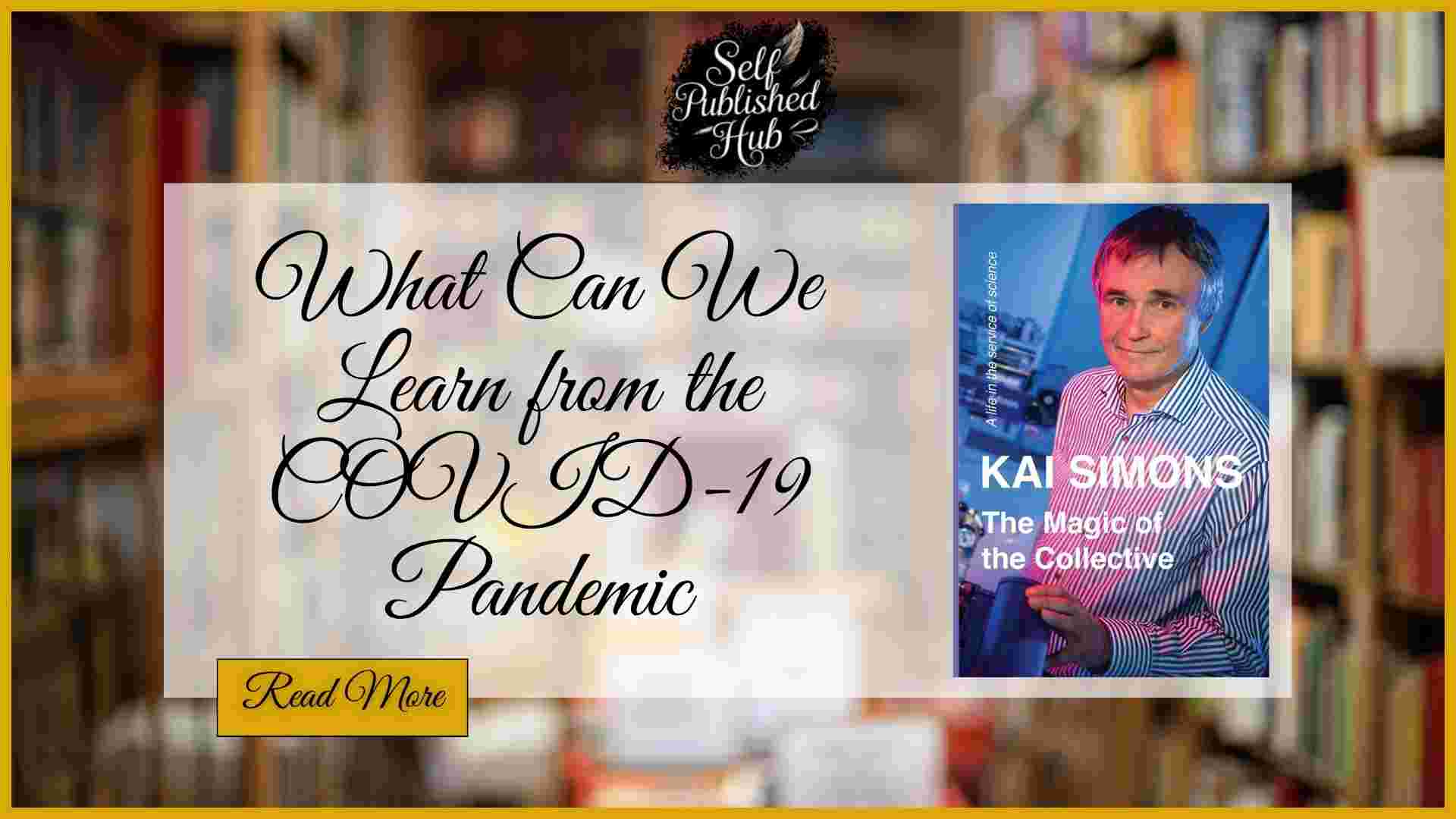
The COVID-19 pandemic disrupted lives, strained health systems, and shook economies. It was indeed one of the most disruptive pandemics of the decade. Yet, beyond the hardship, it also revealed important lessons about science, cooperation, and society. In The Magic of the Collective, Kai Simons reflects on how the pandemic reshaped the way scientists and the public think about innovation, responsibility, and collaboration.
For example, within weeks of the first cases, researchers had sequenced the genome of SARS-CoV-2. This milestone was possible only because scientists across borders shared data and resources. It showed what can happen when collaboration overrides competition. The discovery laid the foundation for developing vaccines in record time. For once, science operated on a truly global scale, and the results were extraordinary.
But scientific success was not enough. Vaccines had to be produced, distributed, and accepted by the public, which proved to be far more difficult. Countries with fewer resources struggled to gain access, and skepticism and misinformation hindered vaccination efforts even in wealthier nations. Simons notes that the challenge was no longer scientific but social. The counterwave of distrust revealed how deeply skepticism toward science has spread in recent years. It showed that trust is as essential as innovation if breakthroughs are to benefit society.
The pandemic also highlighted the dual nature of scientific progress. On the one hand, technology and global cooperation saved millions of lives. On the other hand, the crisis reminded us that modern life, with its constant travel, dense populations, and reliance on technology, creates vulnerabilities. The same forces that facilitated rapid collaboration accelerated the virus’s spread.
Another lesson lies in humility. For example, scientists often emphasize progress, pointing to longer life expectancies and improved quality of life as proof of success. Yet COVID-19 showed that progress is fragile. Even the most advanced societies struggled under pressure. Intellectual humility, such as accepting that science does not have all of the answers, is required if we are to prepare for future challenges. Therefore, Simons insists that cooperation between disciplines and between science and society, is vital to building resilience.
Importantly, the pandemic reminded us of the collective nature of knowledge. Science is not about one individual making a discovery in isolation. It is about shared effort, critique, correction, and improvement. During COVID-19, this collective spirit was on full display. From sequencing labs in China to vaccine developers in Europe and the United States, collaboration was the key to progress. The rapid pace of innovation during the crisis could become a model for tackling other urgent issues, such as climate change.
Finally, global issues like COVID-19 necessitate global collaboration, and science must be combined with public trust and social responsibility to have a long-term impact. This requires humility and openness to match the technical expertise. As Simons reminds us, science is a collective journey; its true power lies not in individual accomplishments, but in a shared commitment to improving life for everyone. If you are interested in learning more about such collaboration and want to implement and transform your workplace, research center, or life, we highly recommend reading The Magic of the Collective. Head to Amazon now: https://www.amazon.com/dp/1917007027