During World War II, the American homefront was not only a place of sacrifice and production. It was also a stage where radio, movies, and music played a critical role in shaping morale and national identity. In an era before television and the internet, these forms of entertainment were more than just distractions. They were tools of unity, vehicles for propaganda, and lifelines of comfort during uncertain times.
Radio was the beating heart of wartime communication. Families gathered around the set each evening to hear voices they came to trust: Edward R. Murrow reporting from London, Gabriel Heatter offering reassurance, and President Roosevelt delivering his famous “fireside chats.” For many Americans, radio made the war feel both distant and immediate. Alongside the news came entertainment. Soap operas filled daytime hours for women, while children tuned in to shows like Superman or Jack Armstrong—All American Boy, often peppered with patriotic messages about buying war stamps or joining scrap drives. Even variety shows like those of Jack Benny or Bob Hope sprinkled humor with reminders of duty and sacrifice.
Movies also became powerful instruments of wartime culture. At Saturday matinees, children and adults alike saw not only cartoons and serials but also newsreels with graphic images of battles overseas. Films like Casablanca and Mrs. Miniver offered stories of love and courage under fire, blending Hollywood drama with wartime propaganda. The Office of War Information worked directly with studios to ensure films promoted themes of unity, sacrifice, and American values. Even the stars themselves contributed: Clark Gable flew combat missions, James Stewart enlisted in the Air Force, and Frank Capra directed the acclaimed documentary series Why We Fight. Going to the movies was not just leisure. It was a patriotic ritual that reinforced the sense that the nation was in this together.
Music, too, became part of the emotional fabric of wartime America. Big bands like Glenn Miller’s provided a soundtrack for both soldiers abroad and families at home. At the same time, sentimental ballads such as “I’ll Be Seeing You” or “Don’t Sit Under the Apple Tree” captured the longing of separation. The USO organized concerts for troops, with stars like Bing Crosby and the Andrews Sisters performing songs that lifted spirits and reminded soldiers of home. Popular tunes echoed through radios, jukeboxes, and dance halls, giving people a way to celebrate small joys even as the world was engulfed in conflict.
What Americans watched and heard during the war was carefully woven into a larger narrative of resilience. Entertainment reminded them that their sacrifices, rationing, long work shifts, and loved ones overseas were part of a collective struggle. It reassured them that they were not alone, that others across the country were listening to the same songs and watching the same stories.
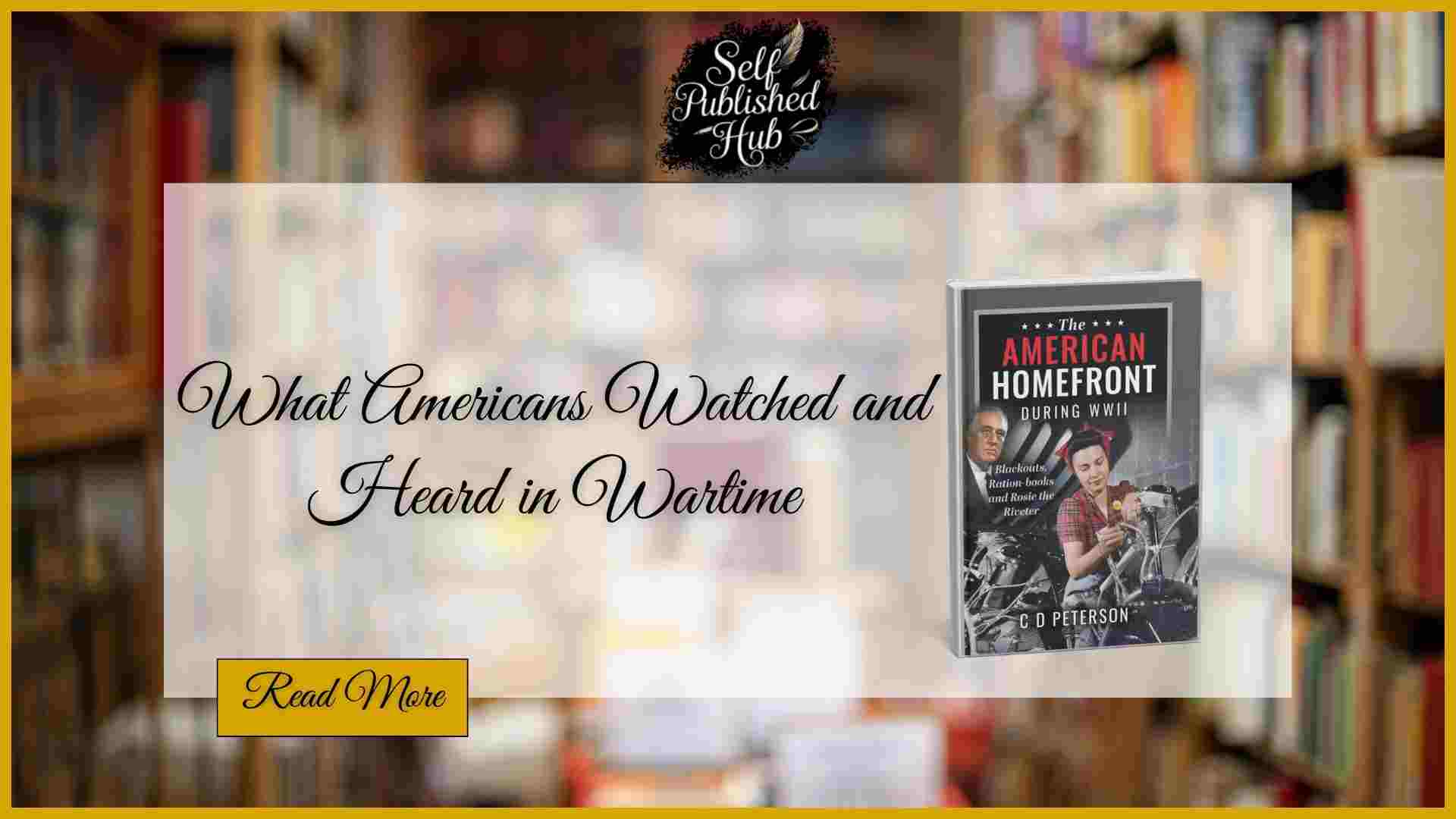
- D. Peterson’s book, The American Homefront During WWII, explores this powerful intersection of culture and conflict. Through vivid examples of movies, radio programs, and music, the book shows how entertainment became both a mirror and a motivator for a nation at war.
For readers who want to understand not just the battles fought abroad but the voices, screens, and songs that sustained Americans at home, this book offers an unforgettable look at wartime culture.
Read this book, available on Amazon: https://www.amazon.com/dp/B0DDL1GXF2