When your child repeats movie lines or sings jingles but struggles to ask for a snack, it can feel puzzling. This could be Gestalt language processing. It is a unique way for some autistic children to learn language. Unlike most kids who build speech word by word, these children learn in chunks, whole phrases, or “gestalts.” Understanding this style can help you find new ways to support your child’s communication.
Most children learn language analytically. They start with single words like “ball” or “mom.” They combine these into phrases like “want ball.” This step-by-step approach is typical. Gestalt language learners, however, take a different path. They memorise entire phrases, like “Let’s go outside” or “Time to eat.” These chunks are often from songs, shows, or conversations. At first, they may not understand the individual words. They use these phrases as a single unit to express a need or idea.
This process often begins with echolalia, repeating what they hear. A child might say, “Do you want juice?” when they mean they want juice. This is how they communicate, so it’s not random. They gradually divide these pieces into more manageable pieces. They begin to construct their sentences. This journey has stages, from echoing full phrases to crafting original speech. Each stage builds toward meaningful communication.
Why does this happen? Many autistic children process language holistically. Their brains focus on patterns and wholes rather than details. This can make traditional language teaching tricky. If you prompt single words, they might struggle. But advancement can soar if you meet them where they are and recognising Gestalt processing helps you tailor your support to their unique style.
How can you help? Start by observing. Notice the phrases your child repeats. Are they from a favourite show? Do they use them in specific situations? For example, saying “Oh no, it’s broken!” might mean they’re upset. Understanding their intent is key. Respond to the meaning, not just the words. If they say “Time for bed” to avoid a task, acknowledge their feelings: “You don’t want to play now? Let’s try something fun.”
Model simple phrases. Use short, clear chunks that they can copy. If they love trains, say “Train goes fast” during play. Repeat it often. This gives them a gestalt to use. Pair phrases with actions or visuals. Point to the train as you say it. This builds understanding. Be patient—progress takes time. Celebrate when they use a phrase, even if it’s not perfect.
Encourage word combinations. Once they’re comfortable with a chunk, gently expand it. If they say “Want cookie,” add “Want big cookie.” This helps them break the Gestalt into parts. Play is a great tool. Sing songs with repetitive lines. Act out stories with simple scripts. These activities make language fun and natural.
Avoid forcing single words too soon. Pushing “say ball” might frustrate them. Instead, follow their lead. Join their play and use their phrases. This builds trust and motivation. Create a calm environment. Reduce distractions so they can focus on communication. Visual supports, like picture cards, can also help. They give your child another way to express needs while they learn.
Every child’s journey is unique. Some move through the Gestalt stages quickly. Others need more time. The key is consistency and encouragement. Your support makes a difference. Early intervention amplifies this impact, shaping their communication skills for life.
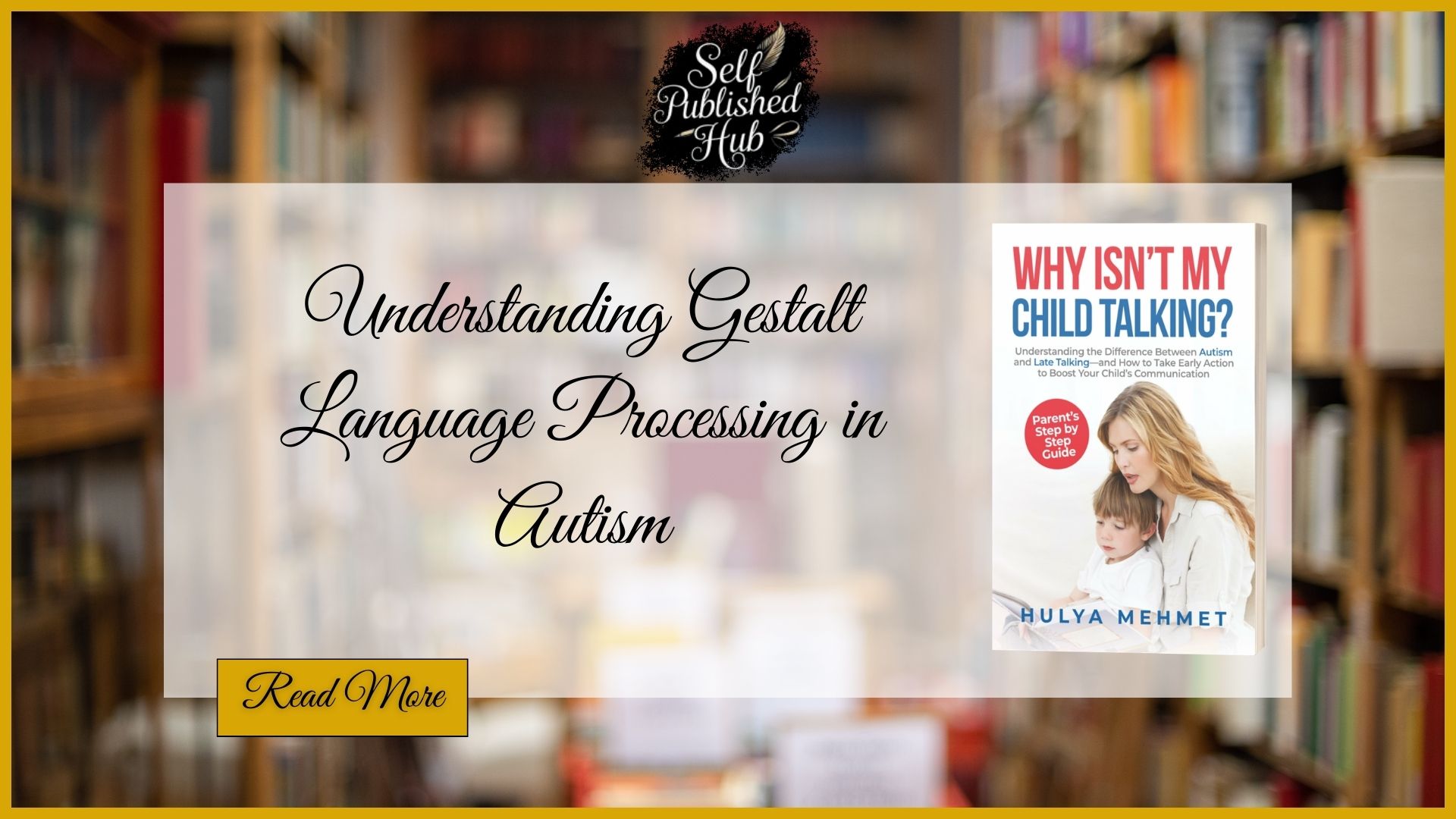
Want to dive deeper? This book offers practical strategies to support Gestalt learners and more. It’s a heartfelt guide to help your child find their voice, packed with tools to empower your parenting journey.
Get Your Copy Today: https://www.amazon.com/dp/B0FSS3G2LX