When it comes to the world of business, especially marketing, words matter. The way you describe a product, pitch an idea, or present a campaign can determine whether your audience pays attention, or scrolls past. One of the most effective ways to sound natural and professional in English is by mastering phrasal verbs. These short, two- or three-word expressions are used daily in workplaces, and they often carry meanings that textbooks alone don’t capture.
If you are preparing for a career in business administration or marketing, here are ten phrasal verbs that every student should know, and how they work in real life.
Mastering phrasal verbs is essential for anyone preparing for a career in marketing or business. Expressions like bring out (to launch a product), come up with (to create an idea), set up (to establish something), and break into (to enter a new market) make everyday communication in the workplace sound more natural and professional. For example, tech companies often bring out new devices, while start-ups set up campaigns and agencies come up with strategies to stay competitive. Similarly, when global expansion is discussed, managers often talk about breaking into new markets.
Other phrasal verbs add tone to business communication. Teams regularly carry out research before launching campaigns, companies look for ways to cut down on costs, and ambitious brands aggressively go after new audiences. When sales improve, professionals say they pick up, while negotiations may involve turning opportunities down. Hence the term turn down. Finally, problem-solving is captured in the simple phrase work out, as when a team works out a strategy to manage challenges. These phrasal verbs not only simplify complex ideas but also build the confidence needed to communicate effectively in global business contexts.
What makes these verbs so powerful is their ability to make conversations sound natural and professional. Instead of saying “create an idea,” you say “come up with.” Instead of “enter the market,” you say “break into.” These subtle shifts make English communication smoother and more authentic, which is especially valuable for non-native speakers aiming to succeed in international environments.
A student once shared how, during a mock interview, replacing textbook English with phrasal verbs immediately impressed the panel. Saying “I set up a campaign to reach students” sounded much more natural than “I established a campaign.” That small adjustment can make a big difference in real hiring situations.
If you want to strengthen your marketing English even further, practice these phrasal verbs in short presentations, role-play negotiations, or while writing mock advertising pitches. The more you use them in real contexts, the more confident you’ll become.
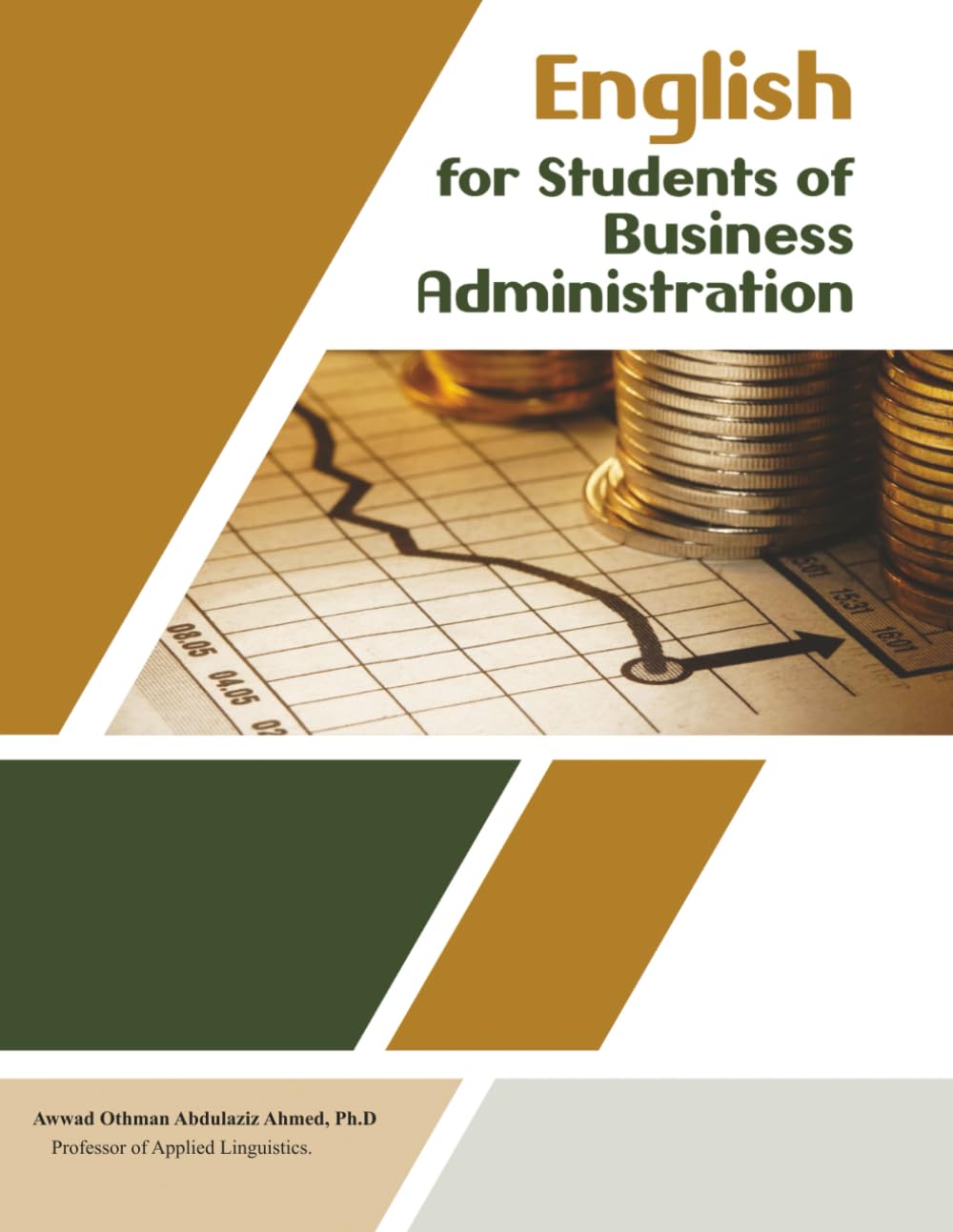
For a structured approach that combines phrasal verbs, business vocabulary, and practical exercises, consider reading English for Students of Business Administration by Dr. Awwad Othman Abdulaziz Ahmed. It’s a resource designed to help learners bring their language skills in line with real-world business communication.
Read this book on Amazon: https://www.amazon.com/dp/1917553056/.