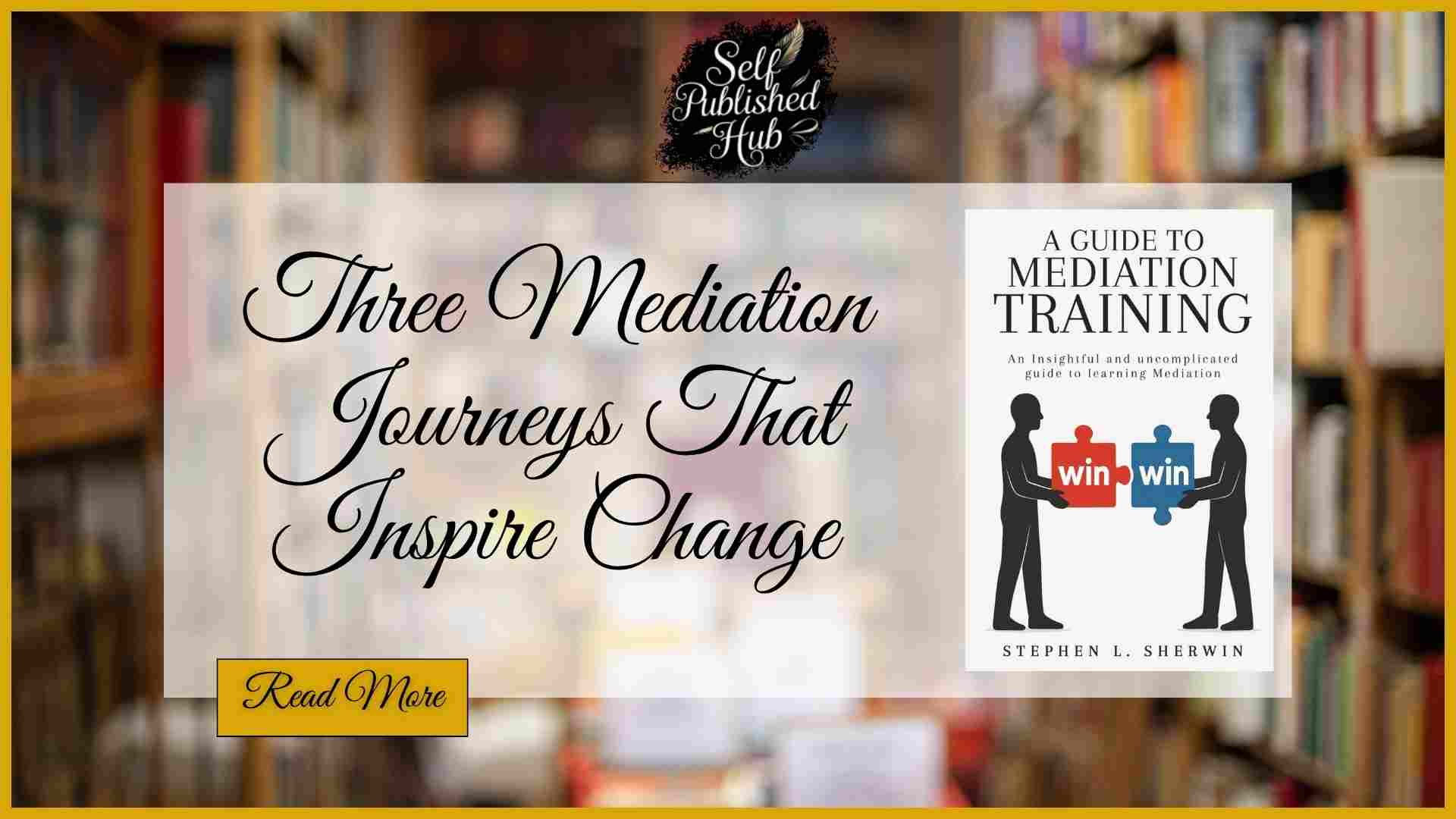
Conflict is a part of life. It happens in families, workplaces, schools, and communities. Sometimes these disputes end relationships or leave people feeling angry and unheard. However, when guided through mediation, many of these same conflicts can become opportunities for understanding and change. Stephen L. Sherwin’s A Guide to Mediation Training shows how structured, respectful dialogue can turn heated disputes into meaningful resolutions. To understand how, let us examine three journeys that illustrate the emotional transformation made possible through mediation.
- Parents Choosing Cooperation Over Conflict
Custody battles often leave children caught in the middle. One divorced couple had reached a point where every conversation turned into an argument, and their daughter was watching the conflict unfold. When they entered mediation, both parents were skeptical. In the early stages, anger and blame filled the room. However, with the help of a neutral mediator, each parent had the opportunity to share their perspective without interruption. The process gave them space to express their frustration and fears, but also pushed them to listen. Over time, they began to recognize their shared priority: their daughter’s well-being. The final agreement was practical, but the real change was emotional. They walked out with a renewed sense of cooperation, showing how mediation can protect not only legal rights but also relationships.
- Neighbors Moving From Tension to Trust
Community conflicts can escalate quickly. Two neighbors found themselves at odds over noise complaints. One worked nights and needed sleep during the day. The other was a musician running a small recording studio from home. Police visits and hostile exchanges had become routine. Through mediation, they finally sat across the table to talk. At first, both were defensive. But when guided to explain not only what they wanted but why it mattered, they began to see each other’s struggles. The musician valued his livelihood, while the night shift worker valued rest. By the end of the process, they agreed on soundproofing measures and better communication. More importantly, they replaced resentment with respect. Mediation not only solved the noise problem, but it also helped rebuild trust in a neighborhood where both parties planned to stay.
- A Teen Finding a Second Chance
Mediation can be life-changing for young people. A teenager caught shoplifting faced the possibility of a criminal record. Instead of going through a court hearing, the case was referred to mediation. The store manager was able to explain how theft hurt the business and its employees. The teen, embarrassed but honest, described the pressures that led to the decision. In a structured conversation, both sides resolved. The teen agreed to work part-time at the store and complete a community service project. The manager gained an employee who learned responsibility, while the teen received a chance to grow rather than be punished. Here, mediation created accountability, but it also gave dignity and hope.
These three stories highlight what Stephen L. Sherwin emphasizes in A Guide to Mediation Training: mediation is not about winning or losing. It is about creating safe spaces where people can speak, listen, and craft their own solutions. The transformation often comes when parties shift from anger to understanding, from blame to accountability, and from distrust to cooperation.
If you want to learn more about how mediation can change lives and how to apply its techniques in your own work or community, consider reading A Guide to Mediation Training. It offers clear steps, real-world insights, and practical tools to help anyone become part of the change that mediation makes possible. Discover the full process in Stephen L. Sherwin’s A Guide to Mediation, your path to resolving conflicts with confidence. Available on Amazon: https://www.amazon.com/dp/B0FLM7XQ5L