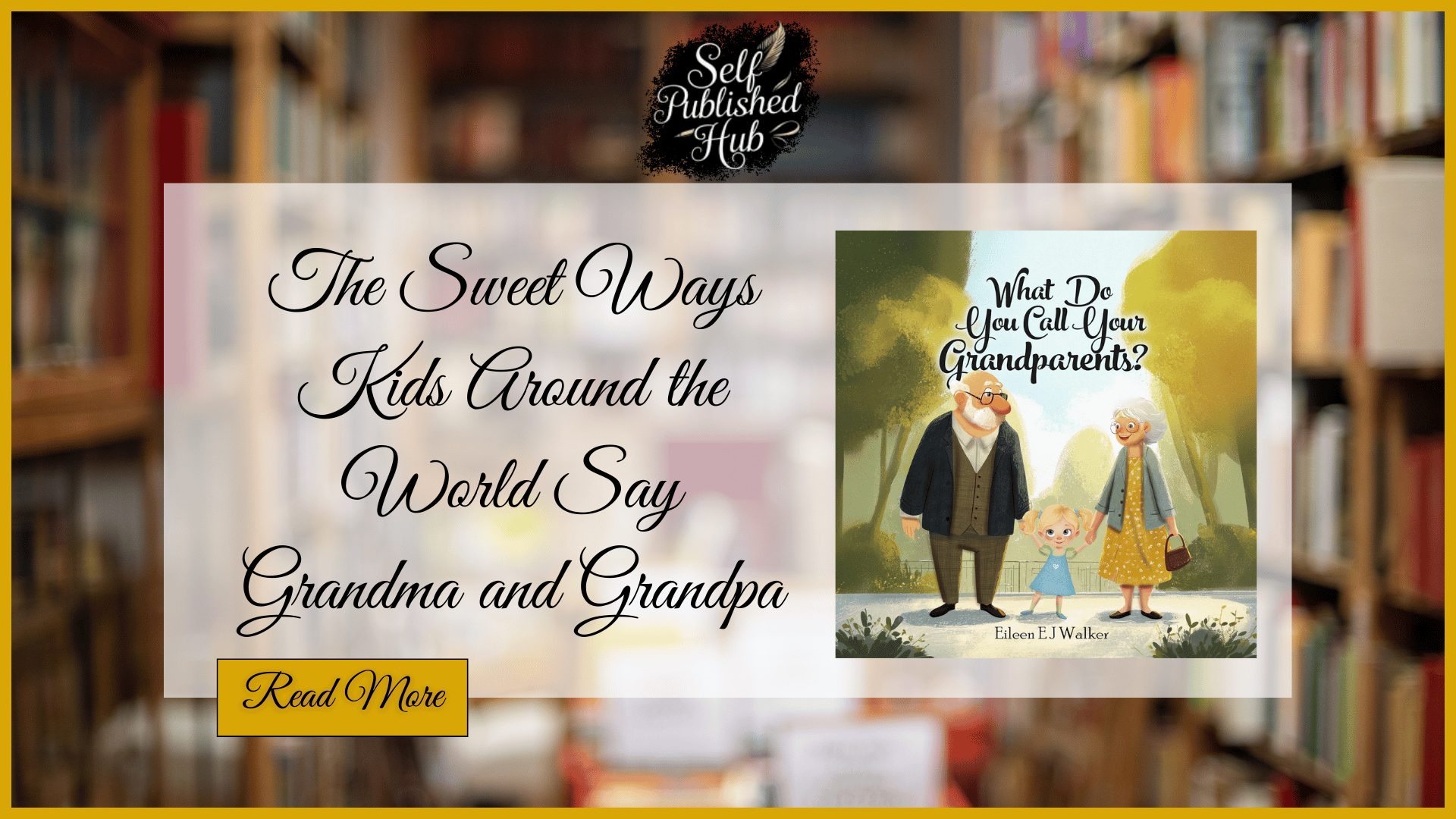
One of the sweetest aspects of childhood is the special name a child gives to their grandparents. These words may be simple, but they hold deep affection. Across the world, children use various names for their grandparents, each shaped by culture, language, and family tradition. These names do more than identify a family member. They reflect love, heritage, and the meaningful role grandparents play in a child’s life. This idea is at the heart of What Do You Call Your Grandparents by Eileen E. J. Walker, a picture book that brings global family vocabulary to life.
The book follows Lily as she spends a day with her Grammie and Grandpa Rick. At the park, she sees many children playing with their grandparents as well. What begins as a regular outing becomes a celebration of the diverse names children use for the people who guide, support, and care for them. Through simple scenes and relatable moments, the story shows that while the words may differ, the sense of love and connection remains the same.
Around the world, these names are as varied as the families who use them. In Greek families, children may say Yiayia for grandmother and Papou for grandfather. These names often carry warm memories of shared meals, stories, and traditions passed down through generations. In Italian families, Nonna and Nonno are used, names that evoke a sense of familiarity and comfort, especially during moments spent cooking or playing together. German families may use Oma and Opa, short and affectionate names that children say with ease.
The book also highlights names from First Nations communities in Canada, such as Kôhkom and Mosum. These names reflect a profound cultural heritage, passed down through stories, teachings, and shared experiences. In other families, children may refer to their grandparents as Nana and Papa or Meme and Pepe, each with its own unique history and meaning. These examples show the diversity of family language while reminding readers that grandparents everywhere play a similar role in shaping childhood.
Lily’s experience at the park helps readers see how common it is for children to have unique names for their grandparents. Alexander runs with his Yiayia and Papou as they help him fly his dragon-shaped kite. Charlotte laughs with her Nana and Papa before going out for ice cream. Twins Nicholas and Sophia are excited to visit their Nonna and Nonno, hoping for their favorite pasta lunch. Barrett listens carefully to his Kôhkom and Mosum as they share stories about their younger years. Each of these moments showcases the joy that comes from spending time with grandparents, regardless of their title.
These names help children feel connected to their cultural background. They carry family history and create a sense of belonging. When children hear others using different names, it opens their eyes to the wide variety of the world around them. It teaches them to appreciate differences and celebrate what makes each family unique.
For families who want to explore this idea further and enjoy a heartwarming celebration of global grandparent names, What Do You Call Your Grandparents by Eileen E. J. Walker is a wonderful book to read together, available on Amazon: https://www.amazon.com/dp/B0G2N54HS4/.