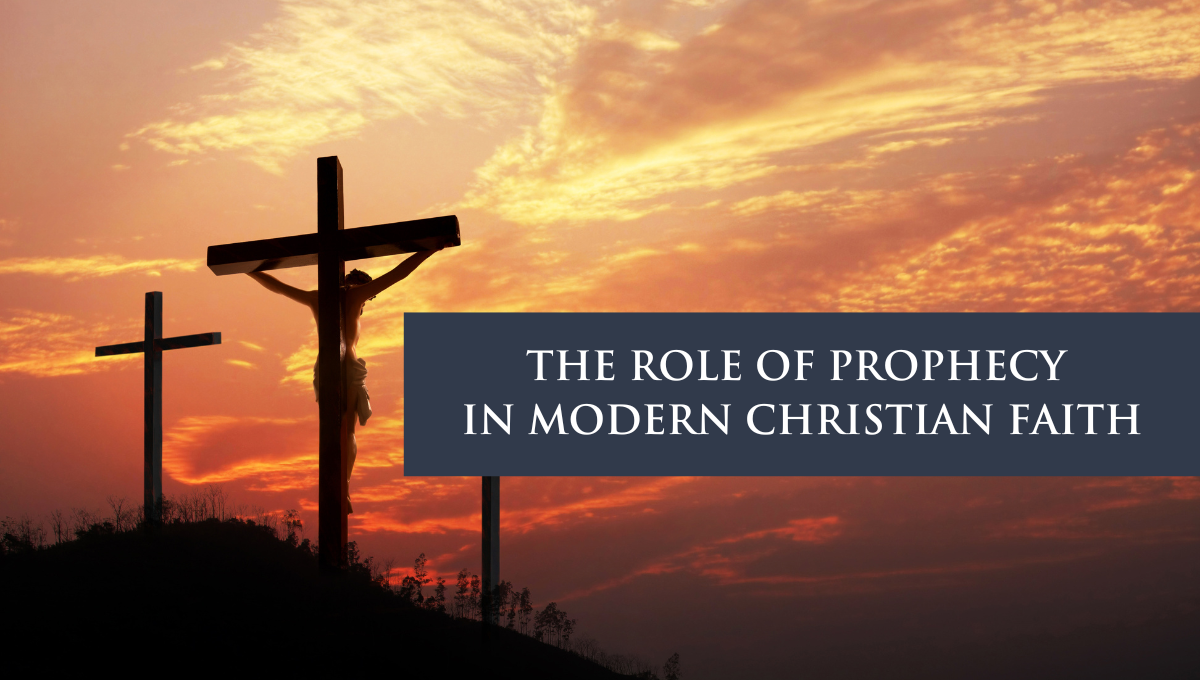
Prophecy has long been a cornerstone of Christian doctrine, offering believers a roadmap for spiritual growth and insights into the future. In Revelation Researched by Carl K. Verhulst, the intricate tapestry of biblical prophecy is masterfully unraveled, offering profound insights into its role in shaping the Christian worldview. Prophecies are glorious predictions of future events and divine messages that affirm God’s sovereignty and inspire unwavering faith. As Verhulst highlights, nearly 44% of biblical prophecy remains unfulfilled, emphasizing its ongoing relevance in modern Christian faith.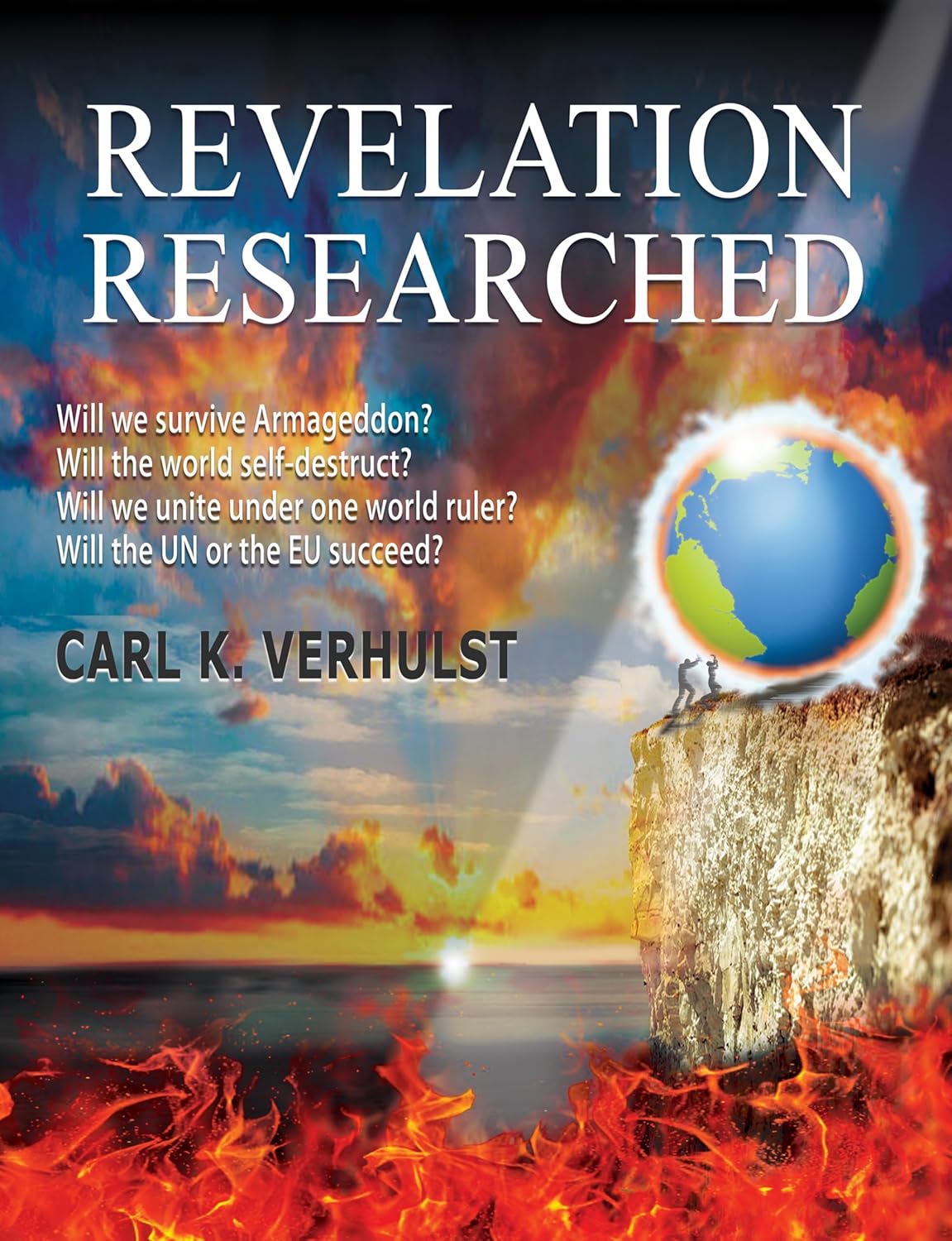
Prophecy as a Source of Hope
In a world often riddled with uncertainty, prophecy serves as a beacon of hope for believers. The promise of Christ’s return and the ultimate triumph of good over evil are central themes in Christian eschatology. Verhulst’s Revelation Researched highlights how the Book of Revelation weaves together over 1,000 biblical prophecies into a coherent narrative of judgment, salvation, redemption and restoration. This perspective encourages believers to remain steadfast, knowing that their faith aligns with a divinely ordained plan.
Guiding Ethical and Spiritual Living
Prophecy also plays a critical role in guiding ethical and spiritual growth among Christians. The moral imperatives embedded within prophetic texts call for repentance, righteousness, and readiness for Christ’s return. Verhulst emphasizes the importance of living as “overcomers over sin,” drawing from Revelation’s teachings to resist sin and temptation. This approach transforms prophecy into a practical tool for daily living, inspiring Christians to pursue holiness and align their actions with God’s will.
Prophecy and the Modern Church
The influence of prophecy extends beyond individual faith, deeply impacting the collective life of the modern church. Verhulst argues that the messages to the Seven Churches in Revelation provide timeless lessons on spiritual awareness and holiness. These messages warn against complacency, urging churches to remain spiritually vibrant and mission-focused. Prophecy, therefore, serves as a warning, urging the spiritual health of both individuals and congregations.
Prophecy in Evangelism and Defense of Faith
Prophetic fulfillment is a powerful tool in evangelism and defense of faith, showing the Bible’s divine inspiration and historical reliability. Verhulst’s Revelation Researched highlights how fulfilled prophecies affirm the Bible’s trustworthiness, while unfulfilled prophecies point to the unfolding of God’s plan. By engaging skeptics with evidence of prophecy’s accuracy, Christians can effectively share their faith and invite others to explore the transformative power of God’s Word.
The Transformative Power of Revelation
Prophecy is not merely about foretelling events; it transforms lives by fostering a passionate connection with God. Verhulst illustrates how Revelation’s prophetic vision draws believers into a closer relationship with Christ, inspiring worship and devotion. The imagery of a victorious Savior reigning in glory offers profound spiritual encouragement, empowering Christians to persevere through trials and tribulations.
In Revelation Researched, Carl K. Verhulst argues that prophecy is a vital part of the Christian faith, offering hope, guidance, and a call to repentance. By embracing biblical prophecy, believers can face modern challenges with faith and conviction. As Verhulst notes, prophecy is not only a glimpse into the future but a powerful testament to God’s enduring love, faithfulness, righteousness, and sovereignty.