Long before books were common in mountain homes, stories were the way knowledge was preserved, identity was shaped, and family bonds were strengthened. These spoken narratives were not simply entertainment. They were lessons, memories, warnings, and blessings passed from one voice to another.
In Appalachian families, storytelling often took place in ordinary moments. Front porches, kitchen tables, barns, and firesides became gathering places where elders shared stories of their childhoods, their ancestors, and the struggles they had endured. These stories helped younger generations understand where they came from and what their families had survived. Through listening, children learned resilience, faith, humility, and the importance of community.
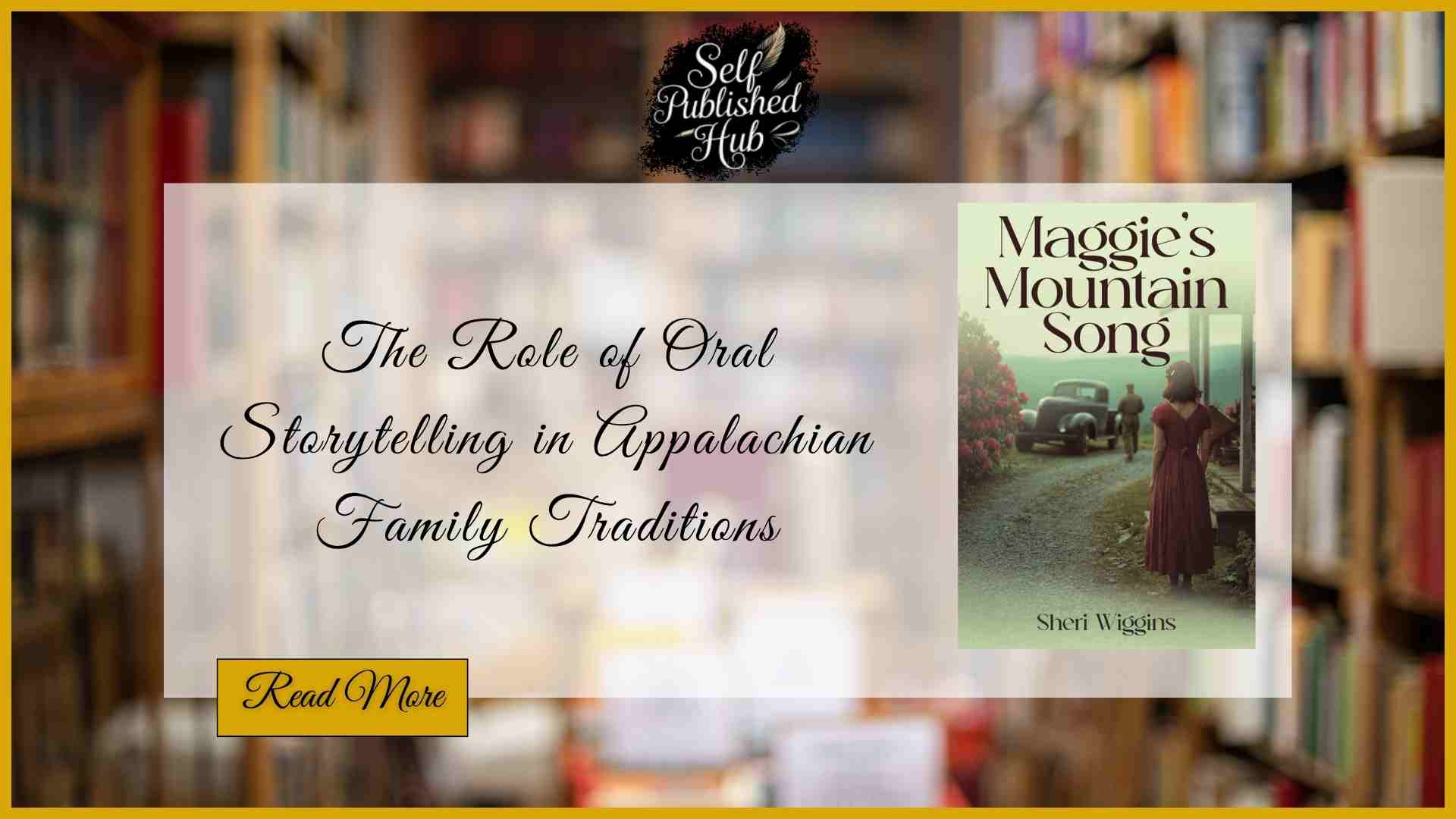
Maggie’s Mountain Song by Sheri Wiggins beautifully reflects this tradition by weaving oral storytelling directly into the fabric of family life. Grandparents recount history, biblical wisdom, and personal experiences not as formal lessons, but as natural parts of daily conversation. These stories ground the characters in a shared past and provide moral guidance that feels personal and heartfelt rather than imposed.
Oral storytelling also preserved Appalachian history at a local level. While history books recorded wars and political events, family stories captured how those events affected everyday people. Stories about war, loss, hard labor, migration, and survival kept personal history alive. They ensured that the sacrifices of earlier generations were not forgotten. In many Appalachian families, these stories were the only record of what had truly happened.
Faith played a strong role in Appalachian storytelling. Bible verses, parables, and moral teachings were often woven into family stories, reinforcing values such as love, forgiveness, and perseverance. These lessons were not preached in isolation. They were illustrated through lived experience. In Maggie’s Mountain Song by Sheri Wiggins, scripture and storytelling often go hand in hand, showing how faith was passed down through both words and example.
Storytelling also created emotional connection. When elders shared stories, they revealed vulnerability, strength, and humanity. Children learned that fear, grief, and doubt were part of life, but so were courage and hope. These shared stories helped families process loss and celebrate joy together. They created a sense of belonging that extended beyond individual experience.
Another important aspect of oral storytelling in Appalachian culture was its role in teaching identity. Stories explained why families lived the way they did, why certain traditions mattered, and why values were upheld even in difficult times. They reinforced pride in heritage and respect for the land. In Maggie’s Mountain Song, the mountains themselves become part of the stories, shaping character and worldview across generations.
Oral storytelling also slowed life down. It required presence and attention. Listeners gathered not to multitask, but to sit and listen. This shared stillness strengthened relationships and reinforced the importance of community. Stories were not rushed. They unfolded naturally, allowing meaning to sink in over time.
As modern life becomes faster and more fragmented, the role of oral storytelling has diminished in many places. Yet stories like Maggie’s Mountain Song by Sheri Wiggins remind readers of what is lost when these traditions fade. Oral storytelling nurtures empathy, continuity, and respect for the past. It teaches that wisdom is not always found in books, but often in the voices of those who lived before us.
The role of oral storytelling in Appalachian family traditions was never about preserving the past alone. It was about guiding the future. Through shared stories, families passed down not only memories, but values that shaped how each new generation learned to live, love, and endure.
Maggie’s Mountain Song by Sheri Wiggins, Get Your Copy On Amazon Today: https://www.amazon.com/dp/1971228125/