What if leadership were not just about strategy and results, but also about meaning, values, and personal growth? As the world changes, so does the way we define strong leadership. In recent years, there has been a quiet shift happening in boardrooms, classrooms, and coaching spaces: the rise of the spiritually intelligent leader.
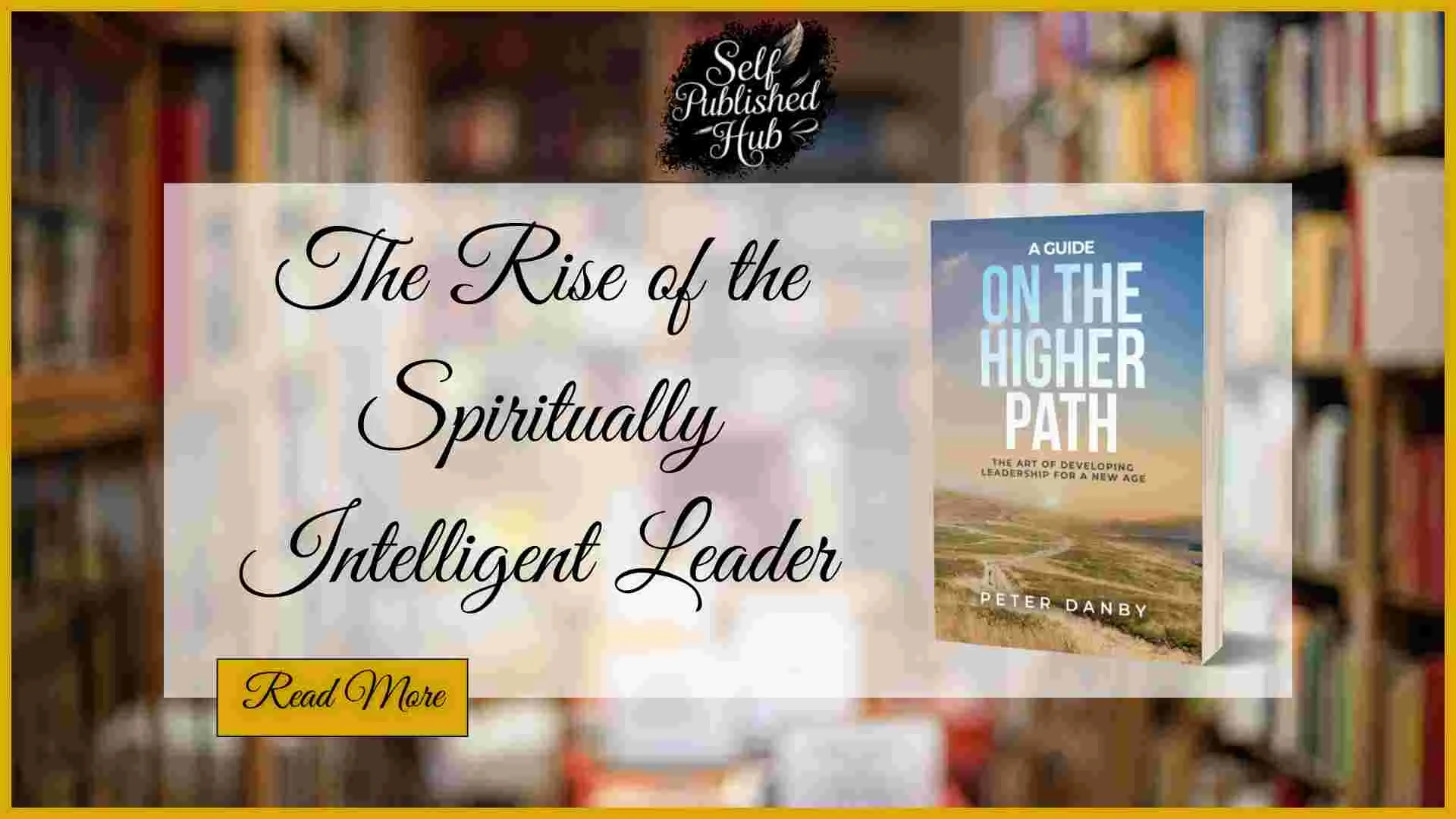
Spiritual intelligence does not mean religion, and it does not require any specific belief system. At its core, it is about self-awareness, purpose, values, and the ability to act with integrity even under pressure. It is about seeing leadership as a form of service, not control. In A Guide on the Higher Path: The Art of Developing Leadership for a New Age, author Peter Danby explains that spiritual intelligence is a key part of leadership mastery. He describes it as listening to our “higher self,” a voice within that is guided by fairness, compassion, and the desire to help others grow.
This kind of leadership is becoming more relevant across all sectors. People are tired of transactional leadership that focuses only on numbers and outcomes. They want leaders who listen, who are present, and who stand for something bigger than profit. In workplaces today, emotional burnout, disconnection, and conflict are real problems. Spiritually intelligent leaders offer something different, a deeper connection to purpose and people.
Danby’s concept of The 4th Space captures this idea well. It is the pause between thought and action, a quiet moment where a leader can reflect before responding. In a heated meeting, that space might stop someone from lashing out. In a complex decision, it can help a leader choose the long-term good over a quick win. This space is not mystical. It is mindfulness, clarity, and emotional control in action, traits that spiritual intelligence builds.
Spiritual intelligence also brings intuition into the leadership process. While data and logic are important, leaders often face moments where there is no clear answer. That is where intuition plays a role, a quiet sense of what feels right based on experience, values, and awareness. Danby shares that this deeper wisdom does not come from outside experts or rigid plans. It comes from within, a kind of inner compass shaped by reflection, learning, and life.
One practical example is how a manager handles conflict. A leader focused only on results might ignore the issue to keep things moving. A spiritually intelligent leader will see the conflict as an opportunity for growth, both for themselves and the team. They will take time to understand the emotions involved, reflect on their own role in the issue, and choose a response that restores trust. It is leadership not just of others, but of self.
The rise of the spiritually intelligent leader shows us that leadership is evolving. It is becoming more human, more reflective, and more values-driven. It is not about being perfect. It is about being aware.
For anyone interested in exploring this way of leading, Peter Danby’s A Guide on the Higher Path: The Art of Developing Leadership for a New Age is thoughtful and practical. It blends personal growth, spiritual awareness, and leadership training into one meaningful path.
Grab your copies now from Amazon: https://www.amazon.com/dp/1969868198/.