The shattering of a plate, the slam of a door, the rise of voices breaking into screams, domestic violence does not stay between two adults. Its shockwaves spread outward, shaping the lives of children who witness it and forcing entire households into patterns of fear and silence. What begins as conflict between parents becomes a family-wide wound, one that reshapes identities and futures.
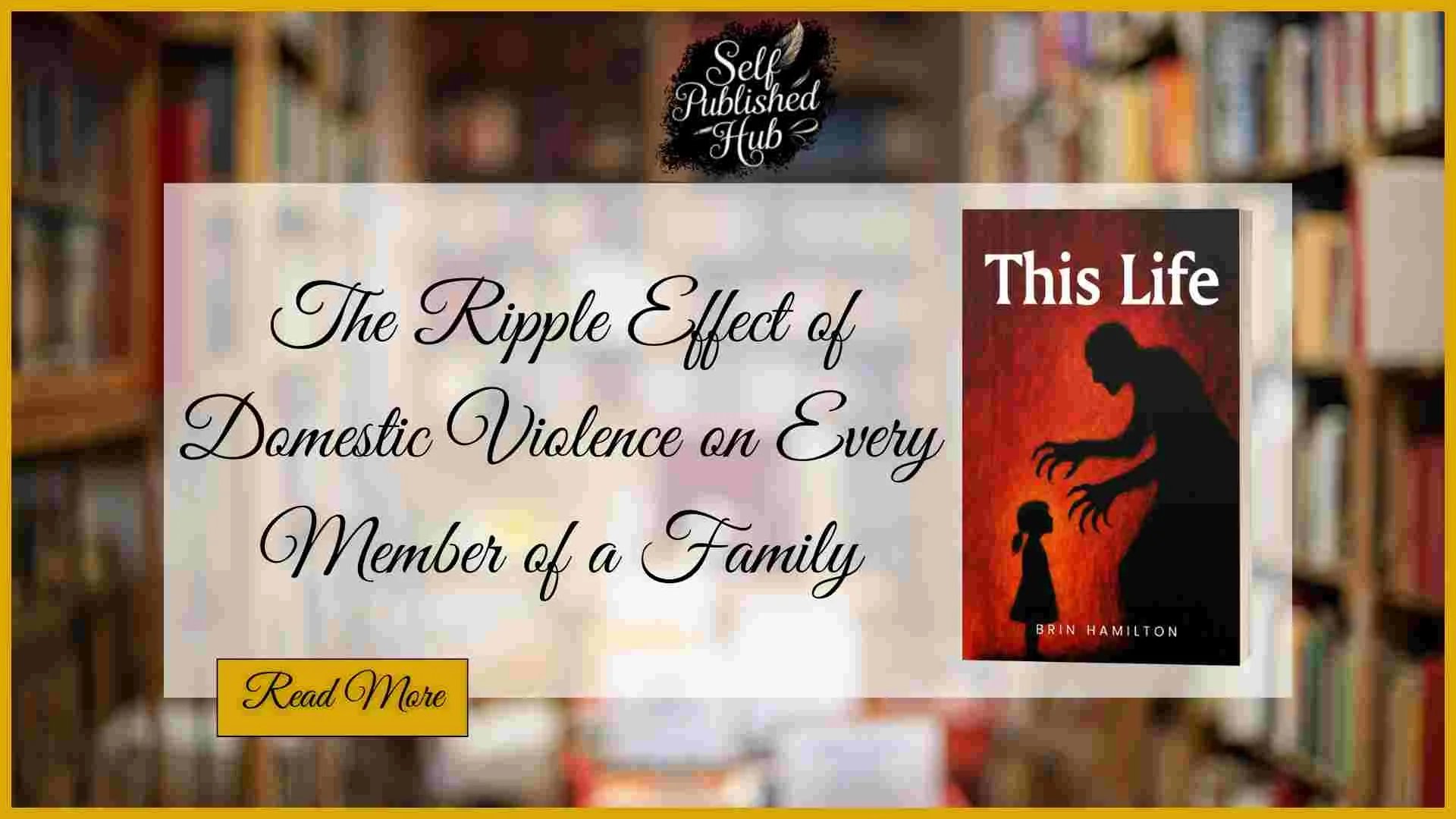
Brin Hamilton’s This Life illustrates this ripple effect with haunting clarity. In the novel, Corrine and Chas’s relationship is poisoned by neglect, addiction, and explosive fights. Their battles were not private storms. Every argument that escalated into violence shook the foundation of their children’s lives, leaving scars that extended far beyond the bruises.
For Derek and Jodie, the older siblings, the violence pulled them into roles no child should carry. They became both witnesses and reluctant protectors, shielding their younger sister from Corrine’s rage or Chas’s drunken outbursts. Jodie, still a child herself, often mothered Callie, feeding her and tucking her into bed when their mother could not, or would not. Derek, meanwhile, lived in a state of hyper-awareness, watching, waiting, and bracing for the next blow-up. Their childhoods were consumed not by schoolyard games but by survival strategies within their own home.
For Callie, the youngest, the impact was even more devastating. She learned early that love could turn violent without warning. Her father might hold her tenderly one moment, only to erupt in anger at her mother the next. Her mother’s moods changed from indifference to outright cruelty. Domestic violence taught Callie not just fear, but confusion. How could the same people who were supposed to protect her also be the ones who hurt her? That contradiction left her isolated, mistrustful of adults, and unsure of her own worth.
The damage did not stop with the children. Chas’s drinking escalated as his marriage crumbled, and Corrine’s bitterness and neglect hardened into open hostility toward her daughter. Violence fed addiction, and addiction fed more violence, a destructive cycle that no one in the household could escape. What began as spousal conflict spread outward, shaping the daily reality of everyone under their roof.
It is the reality of domestic violence: it is never contained. It alters the entire atmosphere of a home, forcing children into silence, pushing parents into destructive patterns, and creating ripple effects that stretch into classrooms, social services, and ultimately the next generation. This Life does not sanitize these truths. It confronts them, showing readers how one family’s dysfunction became a legacy of pain.
And yet, woven into Callie’s story are glimpses of hope. Teachers who notice, neighbors who care, and foster parents who offer stability remind us that intervention can stop the ripple from spreading further. Compassion, advocacy, and action can disrupt the cycle before it defines another generation.
Domestic violence may begin between two adults, but its impact belongs to the whole family. Reading This Life is a stark reminder of that truth, and an invitation to see how violence reverberates far beyond the walls where it begins.
If you want to understand the full cost of family violence and the resilience it takes to overcome it, This Life is a story you need to read.