Fear has always shaped human behaviour, but in the modern world, it moves faster, spreads wider, and cuts deeper. A single headline, image, rumour, or warning can travel across nations within seconds, creating anxiety long before facts are understood. Fear no longer belongs only to moments of real danger. It now lives in screens, speeches, public debates, and the constant pressure of uncertainty.
When people feel unsafe, they search for control. They want clear answers, firm leadership, and visible action. In calm times, citizens may tolerate complexity. Under pressure, they often demand certainty. This is why fear is so powerful. It simplifies complicated issues and makes extreme responses feel reasonable.
Fear also changes how societies view one another. Neighbours become suspicious. Outsiders become threats. Institutions become either protectors or enemies. Once fear takes hold, it can reshape public opinion, influence elections, fuel division, and push ordinary people toward choices they might once have rejected.
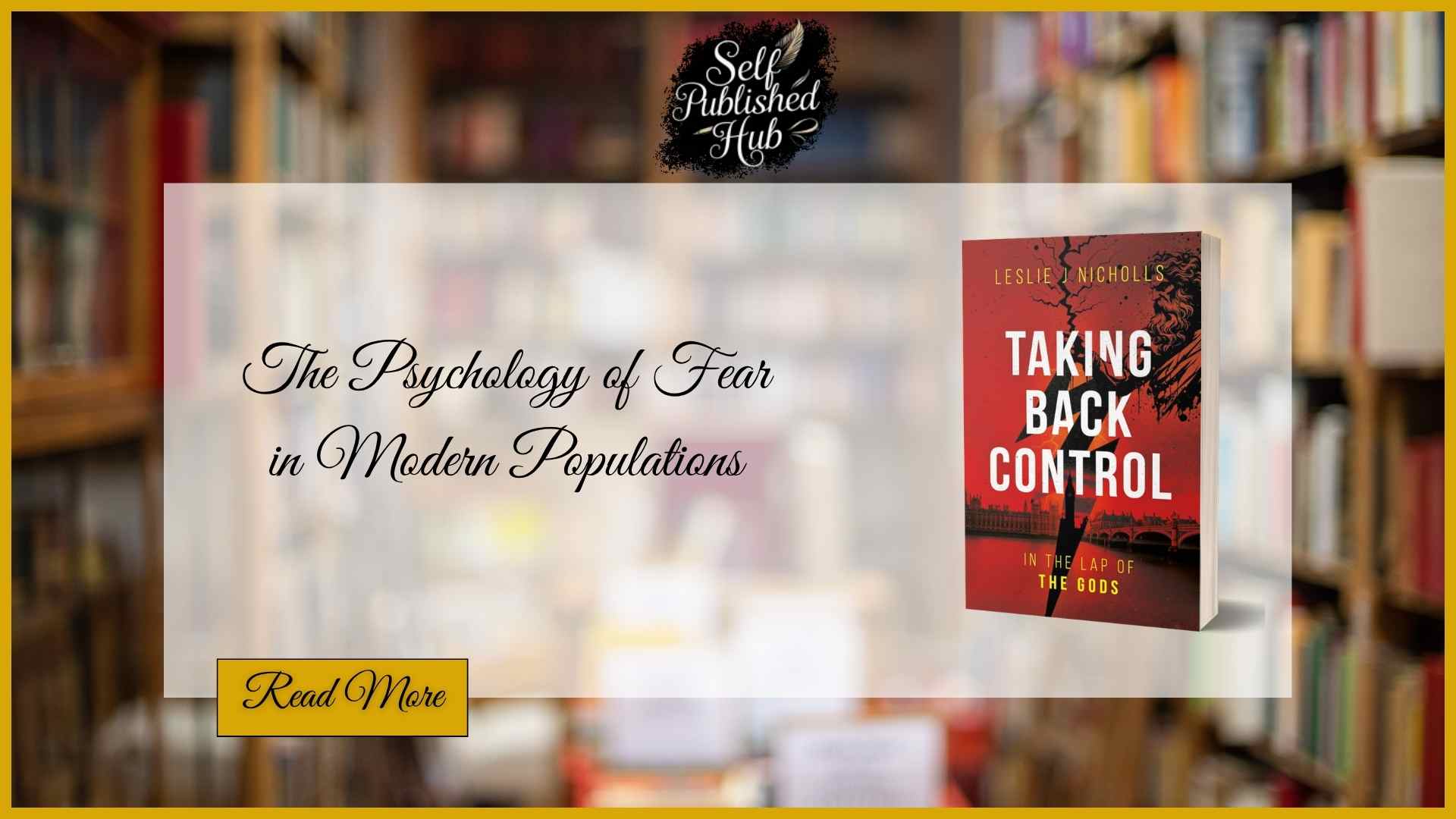
Taking Back Control by Leslie J Nicholls explores this dangerous emotional landscape with gripping intensity. The book enters a society where fear is not just a reaction, but a force that drives decisions, exposes weakness, and tests morality. As public trust weakens and pressure builds, the characters are pulled into a world where order feels fragile and control becomes the most desired prize.
Nicholls captures how fear can turn uncertainty into anger and anger into action. The story reflects the unease of modern life, where politics, crime, media, and hidden power all feed the public mood. It asks what happens when people no longer feel protected by the systems around them and begin to accept harsher answers.
For readers drawn to political thrillers, social tension, and morally challenging stories, Taking Back Control offers a sharp and timely experience. It is a book about fear, power, justice, and the breaking point of a society that feels pushed too far.
Explore the full story here: https://www.amazon.com/dp/B0G4F2KTJC.