Let us begin this journey toward being good humans by accepting a simple truth: everything we excel at is learned through practice.
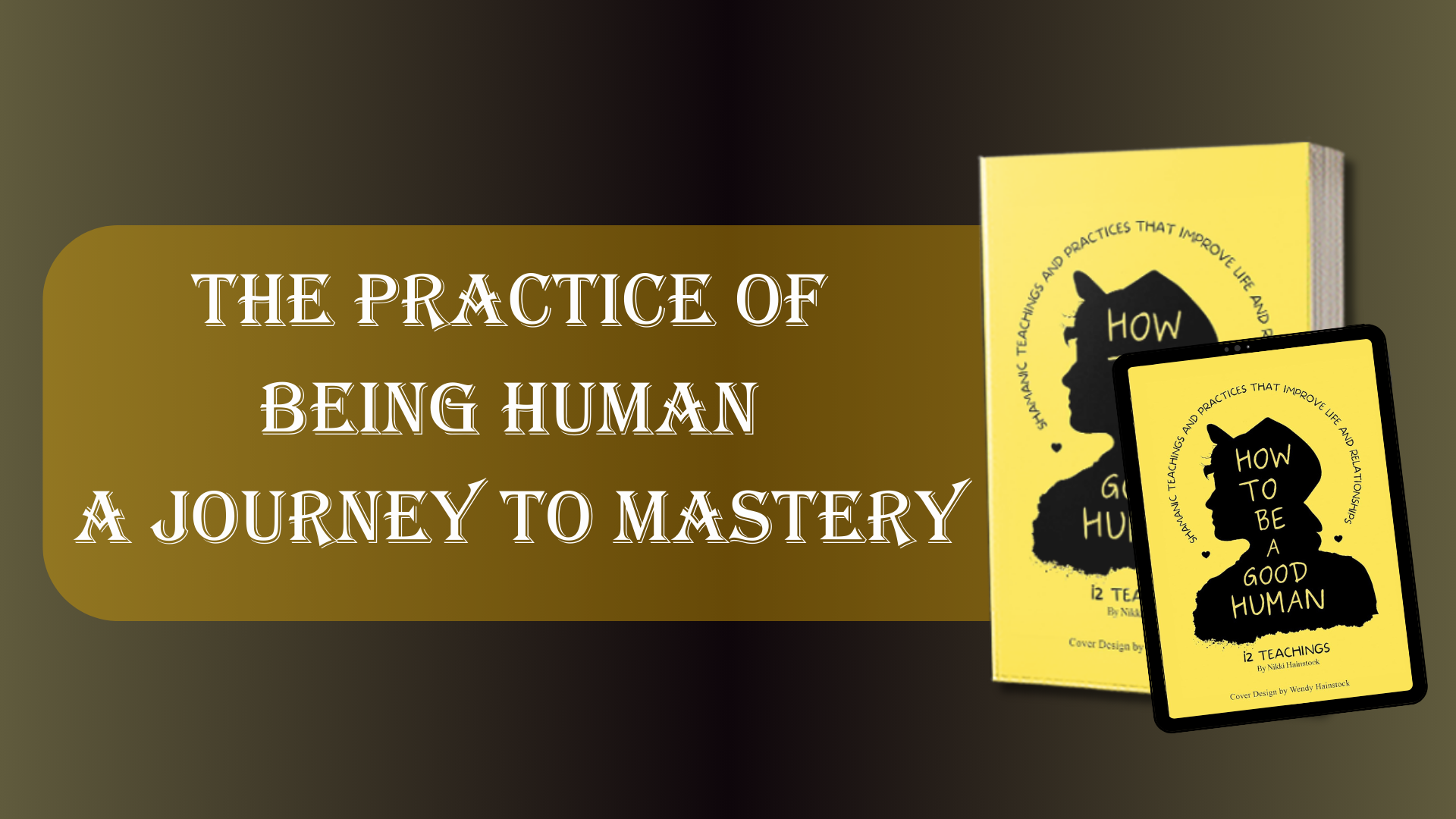
Whether it’s walking, talking, or building relationships, mastery comes from repetition and commitment. In her profound book How to Be a Good Human, Nikki Hainstock encourages us to embrace practice not just as a skill acquisition but as a way of life.
Her insights are deeply rooted in authenticity, connection, and the collective responsibility of human beings to improve themselves and their relationships.
Practice, as Hainstock emphasizes, means showing up with intention and perseverance. It requires humility—a willingness to acknowledge that we are all “humans in practice.” Imagine how transformative this mindset could be in relationships. Instead of entering connections pretending to be perfect, we can show up as learners committed to growth. This honesty removes arrogance and invites authenticity, fostering deeper bonds and mutual respect.
Malcolm Gladwell’s popularization of the “10,000-hour rule” in Outliers aligns with Hainstock’s perspective. Mastery, whether in relationships, creativity, or emotional intelligence, demands dedication. However, Hainstock goes beyond technical skills. She proposes that practicing humanity—acts of kindness, emotional awareness, and creative expression—shapes us into better individuals.
Practices for Human-Being-ness
Kindness as Awakening: Kindness, as taught by spiritual leaders like Chögyam Trungpa Rinpoche, isn’t mere niceness. It is an active, sometimes challenging force that helps others wake up to their truth. Hainstock ties this to relational growth, suggesting that true kindness requires courage and intentionality.
Breathing with Awareness: Breath is our most fundamental tool. Hainstock suggests monitoring its rhythm to center ourselves and approach life with greater clarity. This practice aligns with mindfulness teachings, encouraging a grounded and balanced approach to daily challenges.
Emotional Responsibility: As Hainstock explains, emotions are not burdens but maps. They guide us through the human experience, helping us understand ourselves and others. However, unchecked emotions can harm relationships. Practicing emotional awareness enables us to communicate with authenticity and grace.
Meditation and Creativity: Meditation isn’t confined to sitting in silence. It can occur in motion—while walking, dancing, or creating. Hainstock’s advice to engage in creative acts like cooking or music-making echoes ancient traditions that view creation as a form of spiritual connection.
Service and Connection: Acts of service dissolve barriers between individuals. Whether it’s feeding someone, offering a kind word, or volunteering, service enhances our understanding of interconnectedness.
Movement and Dance: Physical movement shifts stagnant energy. From yoga to spontaneous dancing, these practices connect us to our bodies and help us process emotions physically and energetically.
Music as Healing: Music transcends words, resonating with the soul. Hainstock emphasizes its transformative power, encouraging us to listen, create, and heal through sound.
Hainstock’s teachings are actionable steps that integrate seamlessly into modern life. Her connection to shamanic practices, evident in her work through Spiritwalk Retreats, further amplifies her message. Spiritwalk Retreats offers immersive experiences, such as the Medicine Wheel and Four Elements Mastery workshops, that echo the themes in her book: https://www.spiritwalkretreats.com/.
In short, these practices, as outlined in How to Be a Good Human, remind us of our collective responsibility. As Hainstock writes, practicing humanity is about “showing up—again and again.” When we commit to these practices, we don’t just improve ourselves; we contribute to a kinder, more harmonious world.