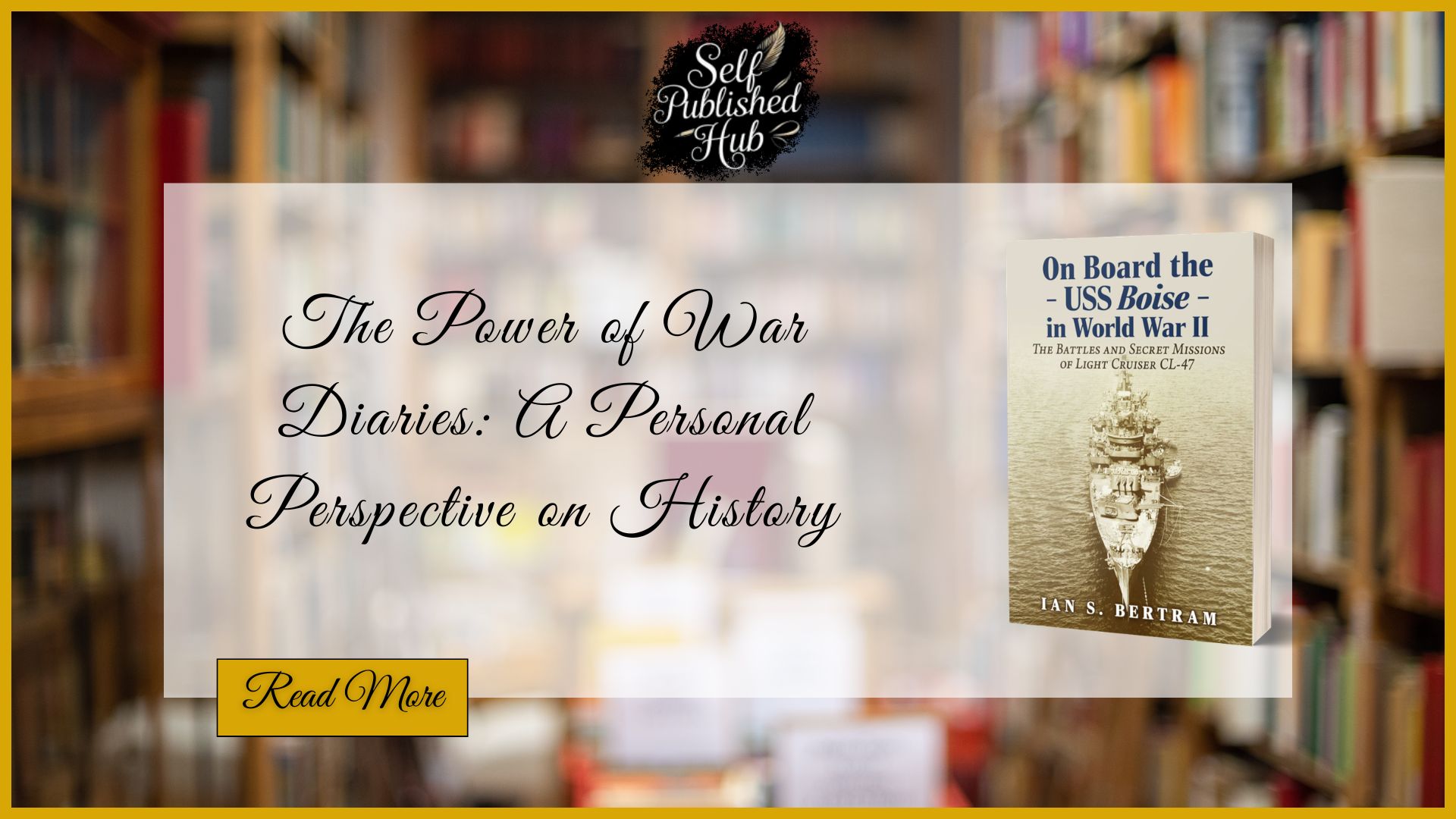
War diaries hold a unique and invaluable place in the preservation of history. Unlike official records, which often focus on strategic decisions and grand narratives, personal accounts offer intimate insights into the daily lives of those who experienced the conflicts firsthand. These journals serve as both historical documents and powerful reminders of the human cost of war. In the case of On Board the USS Boise in World War II, Donald “DB” Fitch’s wartime diary brings to light the untold stories of life aboard a warship during some of the most pivotal moments of the Pacific campaign.
For many, war is a distant and abstract concept, conveyed through facts, figures, and official reports. But through a diary, the events of the battlefield are humanized. On Board the USS Boise captures not only the logistics and tactics of naval warfare but the emotions, fears, and camaraderie of the men who lived through it. DB Fitch’s diary becomes a lens through which we understand not just the history of the USS Boise, but also the personal sacrifices and the enduring spirit of its crew.
What makes diaries like DB’s so vital to historical records is their raw honesty. They contain the thoughts and reflections of soldiers and sailors during their darkest and most vulnerable moments, offering an authentic window into wartime life. These diaries don’t simply recount battles; they reveal the mental and emotional toll that prolonged conflict exacted on those involved. The simple phrase “Still Here” that DB Fitch often wrote in his log encapsulates the exhaustion and persistence of men who faced constant danger but found strength in survival.
War diaries also help bridge the gap between soldiers and the civilian world. While official accounts can seem detached from the human experience, a personal diary brings the battle to life in ways statistics and reports cannot. For example, DB Fitch’s reflections during pivotal moments such as the Battle of Guadalcanal and his interactions with fellow sailors provide an emotional connection to the past that facts alone cannot convey. Readers can feel the fear, confusion, and, ultimately, the bond that these men shared as they navigated the chaos of war.
Furthermore, these personal accounts preserve details that might otherwise be lost to time. As DB Fitch wrote about his crew’s daily routines, the tension aboard ship, and even the mundane moments between battles, his words helped ensure that the finer points of naval life and war were not forgotten. These small details add richness to our understanding of history, painting a fuller picture of what life was really like for those who served.
The importance of these diaries extends beyond the narrative of war itself. They are key to preserving the voices of individuals whose experiences shaped the course of history. While large-scale events like the attack on Pearl Harbor or the Battle of the Philippines dominate the history books, it is the stories of the men who lived through these events that give us a more complete and human view of history. Through their words, we are reminded of the courage and resilience that defined their generation.
In the case of On Board the USS Boise, DB Fitch’s war diary is not only a historical artifact but also a tribute to the ship and its crew. It allows us to connect with a moment in time, offering a personal perspective on the trials and triumphs of a group of men aboard a ship that faced some of the toughest battles of World War II.
War diaries like this one are more than just records of past events; they are stories of survival, brotherhood, and the enduring human spirit. They allow us to honor those who fought, ensuring that their experiences are never forgotten. On Board the USS Boise is more than just a book—it is a gateway to understanding the personal sacrifices and profound experiences that shaped history.
Get Your Copy On Amazon https://www.amazon.com/dp/1476698074