The United States spends enormous amounts of money on healthcare. It invests in hospitals, specialists, medications, diagnostic technology, electronic records, insurance programs and increasingly sophisticated treatment options. Yet the system continues to struggle with rising costs, preventable chronic disease, avoidable hospital use and disappointing outcomes.
According to Dr. Richard E. Cairl, one of the most important resources in healthcare may also be one of the most underused: the patient.
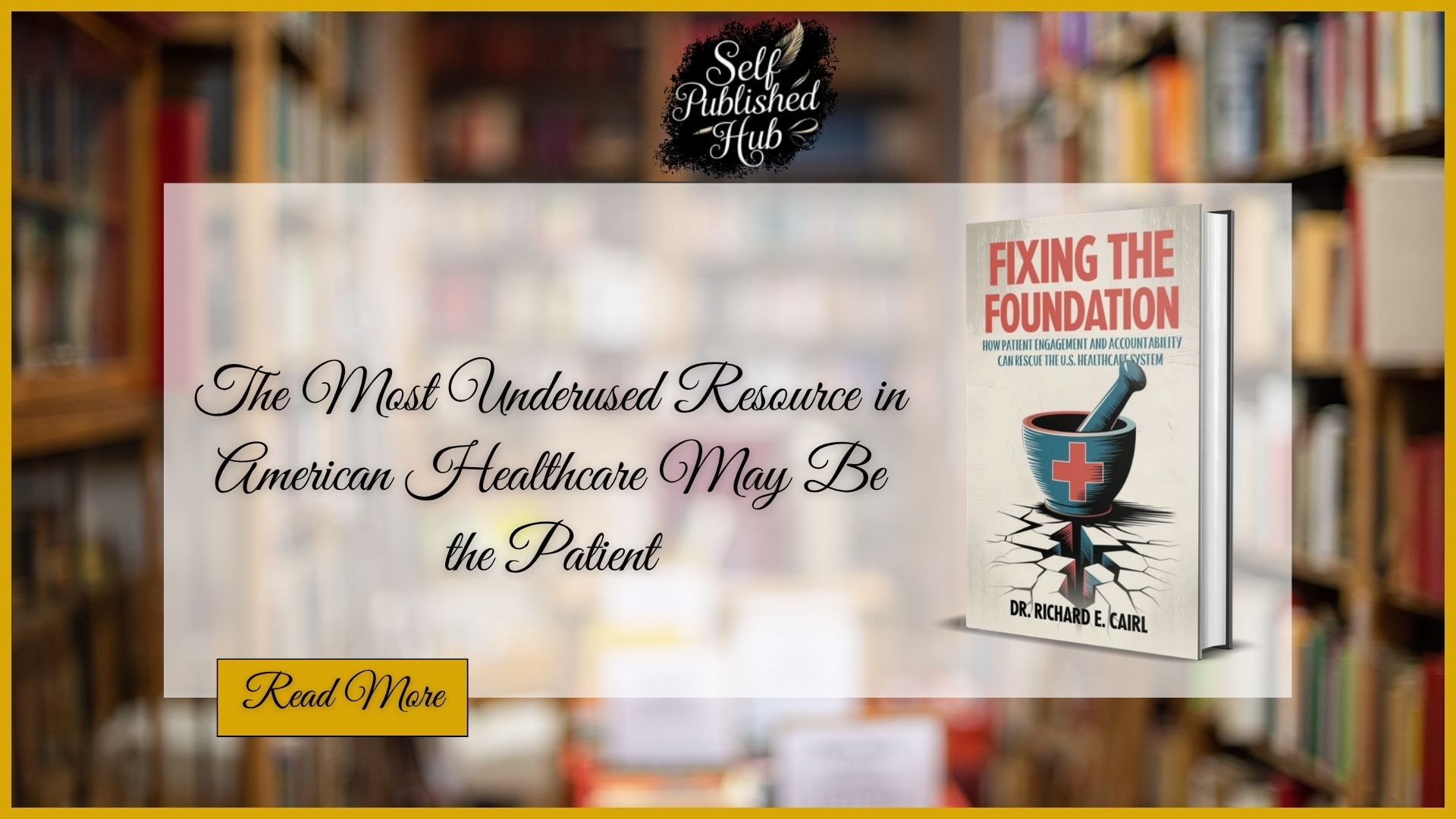
In Fixing the Foundation: How Patient Engagement and Accountability Can Rescue the U.S. Healthcare System, Dr. Cairl argues that healthcare reform has spent too much time focusing on what institutions do for patients and not enough on what patients are enabled and expected to do for themselves.
That distinction matters because much of health is shaped outside the clinic.
A doctor may prescribe medication, recommend dietary changes, suggest exercise, order follow-up tests or develop a chronic disease management plan. But whether those actions become meaningful depends heavily on what happens after the appointment. Patients must take medications correctly, monitor symptoms, attend follow-ups, ask questions, understand instructions and make daily decisions that affect their health.
For conditions such as diabetes, hypertension, obesity and cardiovascular disease, those everyday actions can be especially important.
Dr. Cairl’s argument is not that patients should simply be blamed when outcomes are poor. Quite the opposite. The book repeatedly frames accountability as something that must be paired with support, communication, education and realistic expectations.
An engaged patient is not just someone who receives information. Engagement involves understanding a condition, participating in decisions, communicating with providers and developing the confidence and skills needed to manage health more effectively.
Accountability takes the next step. It means acting on that empowerment.
That is why Fixing the Foundation explores practical strategies for moving patients from passive recipients to active partners. These include assessing a patient’s readiness to engage, improving health literacy, using motivational interviewing, encouraging shared decision-making, setting achievable goals, introducing behavioral nudges and supporting self-monitoring.
The book also examines the growing role of digital technology.
AI-driven chatbots, wearable devices, patient portals and digital coaching tools may help extend care into the long stretches between medical visits. They can provide reminders, track progress, translate complicated health information into clearer language, reinforce healthy behaviors and help patients stay connected to their care plans. Dr. Cairl also emphasizes the importance of guardrails, clinical oversight, privacy and responsible integration.
Perhaps the most important shift, however, is cultural.
Healthcare cannot work as a one-sided transaction in which professionals deliver care and patients simply receive it. Sustainable improvement requires partnership. Providers must listen, communicate clearly and equip patients to participate. Policymakers must build systems that reward meaningful engagement. Patients, in turn, must be encouraged to take an active role in their own health journey.
Fixing the Foundation makes a compelling case that the future of American healthcare may depend not only on better technology, greater access or smarter financing, but on activating the person at the center of it all.
The patient.
Discover Dr. Richard E. Cairl’s vision for a more engaged, accountable and sustainable healthcare system in Fixing the Foundation: How Patient Engagement and Accountability Can Rescue the U.S. Healthcare System.
Read the book on Amazon: https://www.amazon.com/dp/B0GRCRBKB6/