What if the walls around you were not just walls, but something alive, watching and waiting? That is the unsettling idea behind some of the most powerful horror stories. A haunted house becomes more than a setting. It becomes a character in its own right, shaping events and controlling the people inside. This twist is one reason gothic horror continues to grip readers, because it takes the comfort of home and turns it into the source of fear.
When writers treat the house as a living force, it changes everything. In Shirley Jackson’s The Haunting of Hill House, the architecture itself feels bent toward madness, and the halls seem to feed on human weakness. In Stephen King’s The Shining, the Overlook Hotel manipulates and isolates, driving its residents toward destruction. These are not just backgrounds for scary events. They are active presences, influencing choices and carrying their own will. Readers find this terrifying because it suggests that even the places we think we know best might not be under our control.
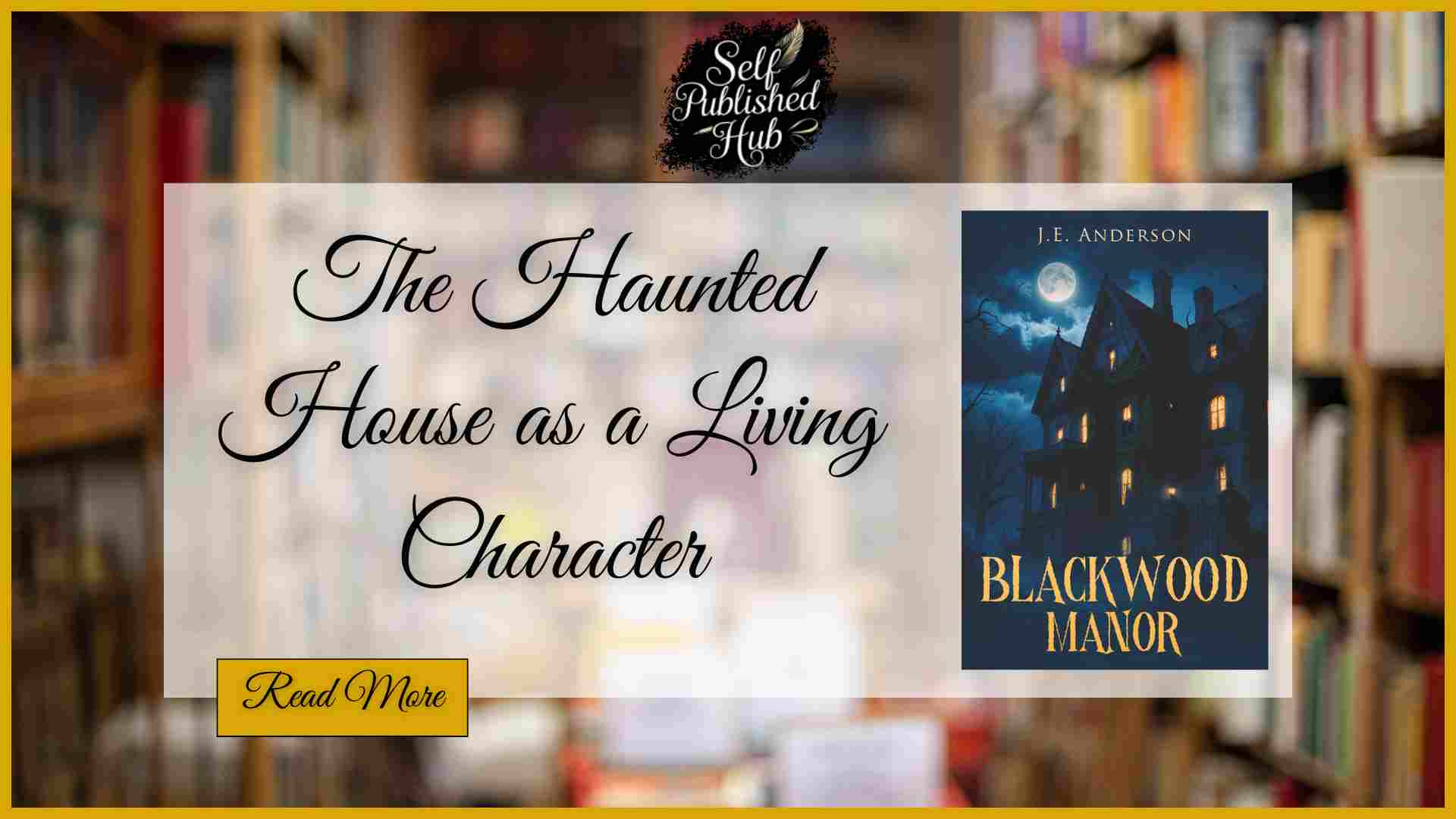
J. E. Anderson’s Blackwood Manor follows in this tradition and pushes it forward. Explore how the novel turns the manor itself into a sentient, malevolent entity, a hallmark of Gothic fiction. The house feeds on fear, manipulates the family that dares to live there, and refuses to be ignored. Its voice comes through in whispers, shifting shadows, and memories that seem to belong to the walls themselves. The danger is not outside the family. It is inside, woven into the very structure of their new home.
Part of the reason these stories resonate so deeply is that houses carry history. Families pass through them, leaving behind traces of joy, grief, and unspoken secrets. A haunted house story takes that truth and pushes it to an extreme. It asks, what if those old memories and traumas were not just lingering feelings but active forces that shape the present? In Blackwood Manor, the family discovers that the past is not buried. It is alive and waiting, pulling them into a cycle of fear that has claimed others before them.
This way of telling horror also connects to how people think about their own lives. Just as a house can feel heavy with history, people carry the weight of their past. Generational trauma, unspoken pain, and unresolved grief can move through families just like ghosts through a house. The haunted house as a character makes these themes visible. It shows readers that what has been left unaddressed does not go away. Instead, it finds ways to return.
That is why the idea of a house with its own will continues to matter. It speaks to control, vulnerability, and the fear that even the most familiar places can betray us. It makes readers wonder what might be lurking in their own walls, what stories their homes might tell if they could speak.
For anyone who enjoys gothic fiction that blends atmosphere, mystery, and emotional depth, Blackwood Manor by J. E. Anderson is a chilling and memorable read. It reminds us that sometimes the scariest monsters are not hiding under the bed. They are the houses we choose to live in.
Grab your copies from Amazon: https://www.amazon.com/dp/B0FCDM1PJX.