Misdiagnosis isn’t just a medical error. It can leave emotional scars that last for decades. When a child or teen is given the wrong label, or no label at all, they often grow up internalising false narratives about who they are. Instead of being seen as neurodivergent, sensitive, or struggling in a specific way, they’re called lazy, dramatic, forgetful, defiant, or unfocused. And over time, those labels begin to shape identity.
The emotional toll of this misunderstanding is heavy. Children who don’t understand their own behaviours often assume something is wrong with them. They feel bad or broken when they can’t meet expectations. And because so many conditions, like ADHD, learning disabilities, or emotional regulation disorders, can be invisible or subtle in young people (especially in girls), those children often fall through the cracks until adulthood.
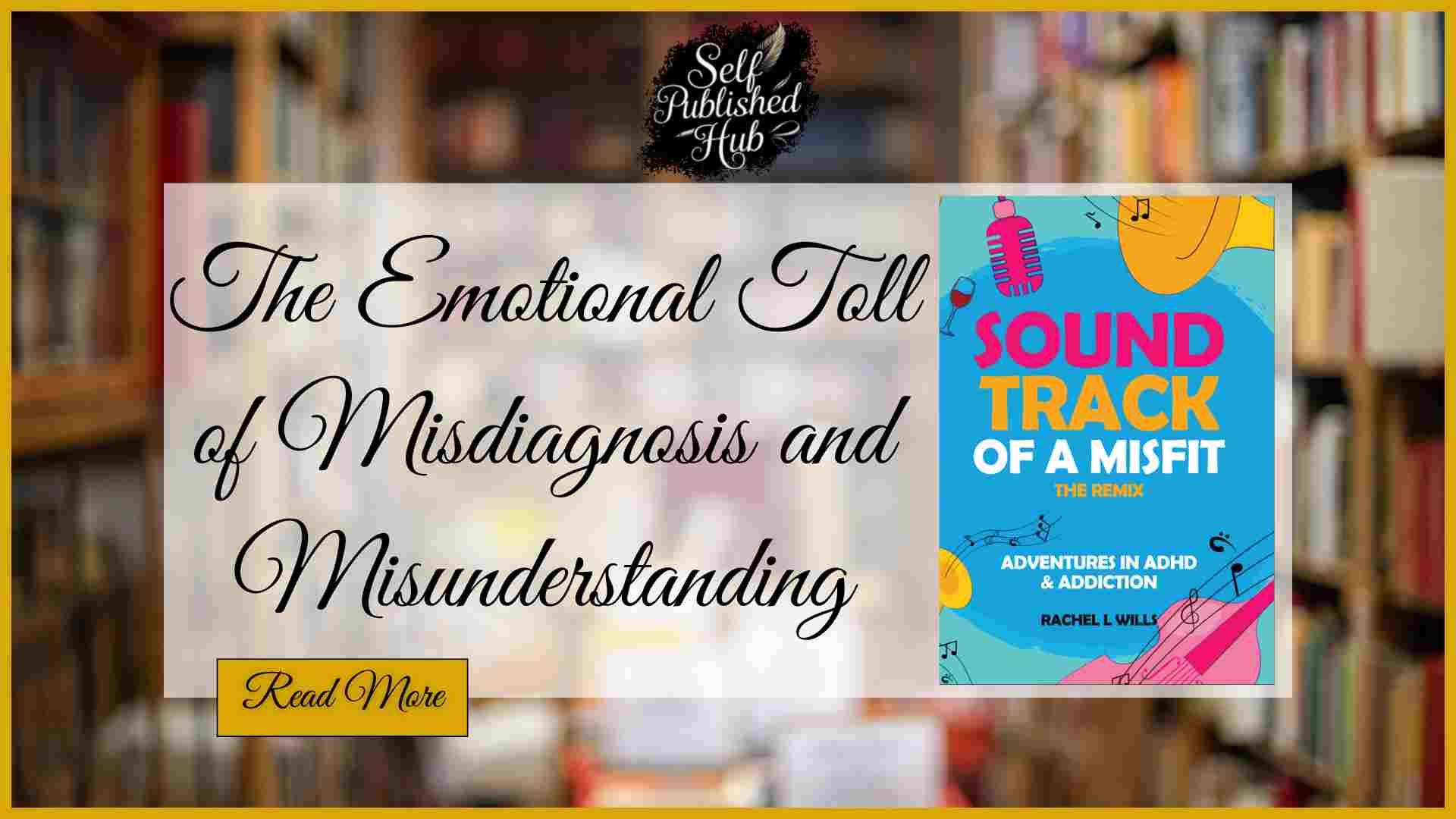
Rachel L. Wills speaks openly about this experience in her memoir Soundtrack Of A Misfit (The Remix): Adventures in ADHD & Addiction. Though she was diagnosed with ADHD at five, that label didn’t come with proper support or accurate understanding. Instead, she was left to navigate a world that didn’t know what to do with her. She was called too sensitive, too slow, or just not trying hard enough. And because she believed those things, she grew into adulthood carrying a quiet shame that would later fuel anxiety, addiction, and a deep sense of isolation.
Misunderstanding creates wounds. And when someone is misdiagnosed, or never diagnosed at all, those wounds are not only emotional, but also practical. People may choose careers that don’t suit them. They may struggle in relationships, unable to explain their needs. They may punish themselves for not being able to get it together without ever realizing their brain works differently.
Rachel’s story is a testament to what happens when you finally receive clarity. In her case, it came after years of self-exploration, therapy, and eventually, becoming a therapist herself. She realised that nearly all of her struggles, from impulsivity to poor coordination to burnout, had roots in ADHD. This realization wasn’t just informative. It was freeing. For the first time, she could rewrite her story through a lens of truth rather than self-blame.
The emotional toll of misdiagnosis doesn’t end the moment someone gets the correct label. Healing takes time. But recognition is the beginning. It allows people to rebuild their identity based on who they are, not who the world told them to be.
Rachel’s memoir provides insight, relief, and connection for readers who’ve lived with invisible struggles. Her honesty gives others permission to ask harder questions and demand better answers. If you’ve ever felt misunderstood by doctors, teachers, or even yourself, Soundtrack of a Misfit is the book that helps you begin again, with compassion instead of criticism.
Misunderstood for too long? Soundtrack of a Misfit helps you uncover the truth behind the labels and finally rewrite your story.