Every season brings change, and with change often comes emotion. Children and adults alike feel joy when special moments arrive and sadness when they come to an end. Learning how to let go while staying hopeful about what comes next is an important emotional skill. Stories that gently explore this balance help children understand that endings are not something to fear. Instead, they are a natural part of life that makes room for growth and renewal.
For children, the end of a season can be a confusing time. Holidays end, decorations are put away, and routines shift. What once filled their days suddenly disappears. Without guidance, these changes can feel overwhelming. Stories that acknowledge these feelings offer reassurance. They show children that it is normal to feel sad when something meaningful comes to an end and that those feelings do not diminish the joy that came before.
Letting go does not mean forgetting. It means holding onto memories while allowing life to move forward. When children see characters experience this process, they learn resilience. They begin to understand that emotions can exist together. Sadness can coexist with gratitude, and longing can coexist with hope. This understanding supports emotional development and helps children approach change with greater confidence.
Seasonal stories often reflect this emotional journey in simple ways. A familiar scene shifts, decorations are taken down, or a routine pauses until the next year. These moments mirror real-life experiences. Through storytelling, children are given space to process their own feelings. They see that endings do not erase meaning. Instead, they help build anticipation for what will return in time.
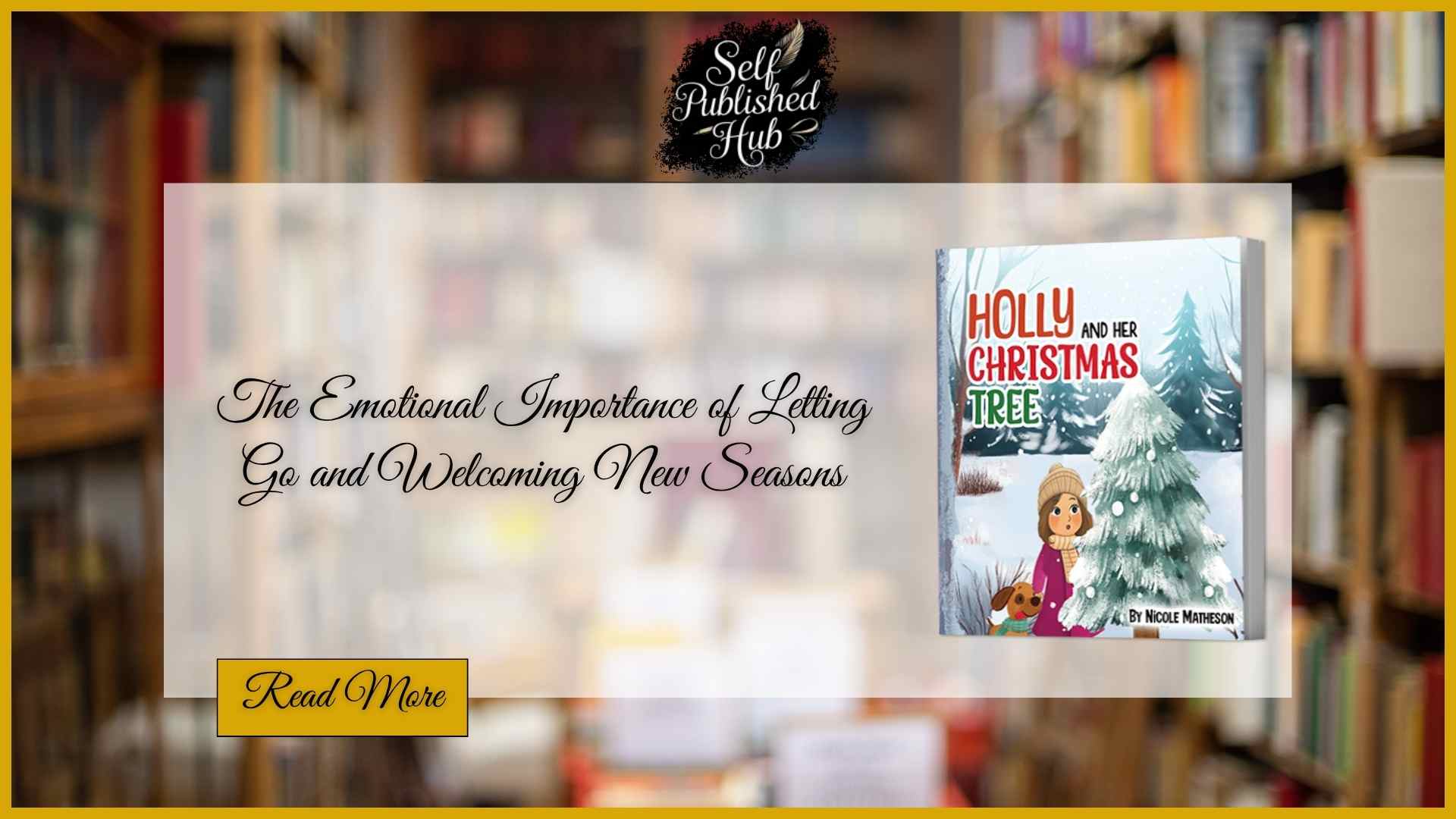
In Holly and Her Christmas Tree by Nicole Matheson, this emotional moment is handled with care. Holly feels sad when the holidays end, and the decorations are taken down. Rather than rushing past this feeling, the story allows it to exist. At the same time, it offers comfort through action and continuity. By planting the tree and caring for it, Holly learns that something special is not lost forever. It simply rests and grows until the next season arrives.
This gentle approach teaches children that change can be a meaningful experience rather than an upsetting one. It shows that waiting is part of loving something deeply. The story encourages children to trust the cycle of seasons and to find comfort in knowing that joyful moments can return. This lesson extends beyond holidays. It helps children navigate changes such as growing older, starting school, or saying goodbye to familiar routines.
Welcoming new seasons also encourages gratitude. When children learn that special moments come and go, they begin to appreciate them while they are present. They become more mindful of time spent with family and the comfort found in traditions. Stories that support this awareness help children develop emotional balance and a healthy relationship with change.
Parents can use these stories as conversation starters. After reading, families can discuss what they enjoy most about a season and how they feel when it comes to an end. These discussions build emotional literacy and strengthen family bonds. Children learn that their feelings are valid and that change is something they can face with support and guidance.
As the holiday season approaches, Holly and Her Christmas Tree offers a thoughtful way to explore these emotions together. It reminds readers that letting go is not an ending, but a quiet step toward what comes next.
This Christmas, share a story that helps children welcome change with hope and optimism. Discover Nicole Matheson’s Holly and Her Christmas Tree here and begin a meaningful seasonal tradition, available on Amazon: https://www.amazon.com/dp/197044066X/.