Children learn best when they feel safe, understood, and free to explore at their own pace. Long explanations and repeated instructions often overwhelm young minds, especially when the goal is to teach life skills. Skills like resilience, adaptability, safety, mindfulness, and empathy develop most naturally when children experience them through everyday moments rather than formal lessons. That is where gentle storytelling becomes one of the most effective tools in early childhood learning.
Young children do not need to be told how to manage fear or change. They need to see that these feelings are normal. When a child recognizes their own emotions in a story, learning happens quietly and without pressure. Stories create space for reflection and understanding, allowing children to absorb lessons without feeling corrected or judged.
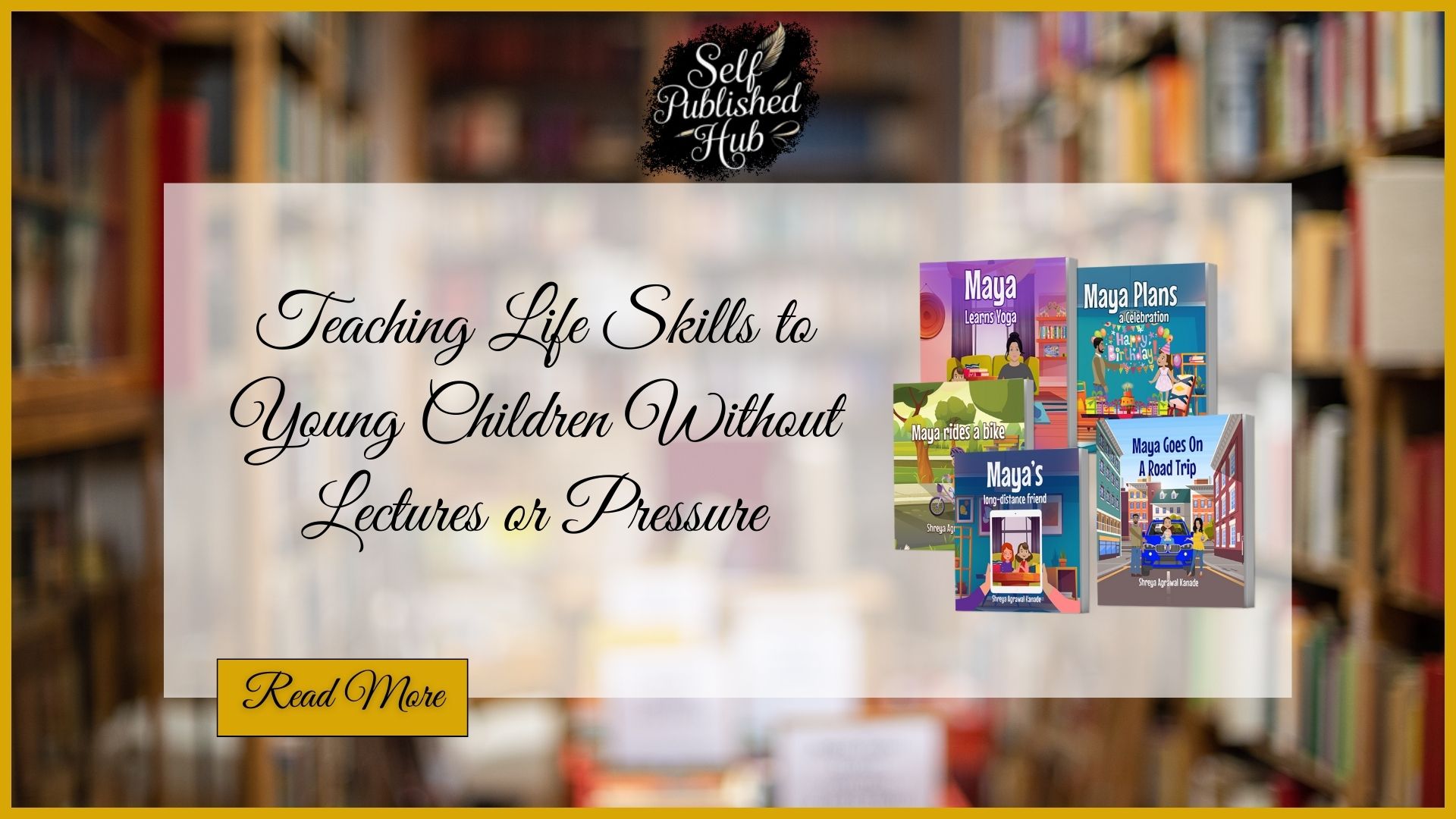
This approach is clearly reflected in Maya’s Adventure series by Shreya Agrawal Kanade, a collection of five illustrated books that focus on everyday childhood experiences. The series includes Maya Goes On A Road Trip, Maya Rides A Bike, Maya’s Long Distance Friend, Maya Learns Yoga, and Maya Plans a Celebration. Each book demonstrates how the Maya series introduces concepts such as resilience, adaptability, safety, mindfulness, and empathy through gentle storytelling rather than direct instruction.
For example, resilience is shown when Maya learns to ride a bike. She feels afraid, hesitates, and takes her time. There is no pressure to succeed quickly. Through patience and encouragement, she learns that trying again is a natural part of the growth process. It mirrors how many children feel when facing new challenges and reassures them that progress can happen slowly.
Adaptability emerges when Maya navigates changes, whether it involves adjusting to a road trip routine or accepting that plans for a celebration may not look as expected. These moments reflect real-life situations where children must learn to adjust without feeling disappointed or discouraged. The stories show that flexibility is not about giving up, but about finding new ways forward.
Safety is naturally woven into daily activities rather than being explained as a rule. Wearing protective gear, taking breaks, and staying aware of one’s surroundings are presented as essential habits for care. Children learn that safety is something that supports fun, not something that limits it.
Mindfulness and empathy are introduced through calm moments and family connections. In Maya Learns Yoga, mindful breathing and movement are presented as shared experiences rather than tasks to be mastered. In Maya’s Long Distance Friend, empathy is explored through the lens of friendship, change, and emotional understanding. These stories help children recognize feelings in themselves and others without being told what they should feel.
Teaching life skills does not require lessons that feel heavy or demanding. It requires relatable stories that reflect a child’s world. When learning feels natural, children engage willingly and carry those lessons into their own lives.
Parents and educators looking for meaningful ways to support emotional growth can benefit from reading Maya’s Adventure series by Shreya Agrawal Kanade. These books offer a gentle and thoughtful way to introduce important life skills through stories children understand and enjoy.
Start reading today!
Here’s the link from which you can grab your copies: https://mangodoodlebooks.square.site/.