Explaining sustainability to kids may not always be easy, but it’s a meaningful step toward guiding them to be environmentally conscious. As ocean challenges grow, parents and educators can shift the narrative from fear to hope, fostering curiosity and positive daily habits. By highlighting the importance of protecting animals and natural habitats, we can make the subject both inspiring and approachable.
Start with What Kids Love
Children naturally gravitate toward animals. So, before diving into the problem of pollution, celebrate the beauty of the ocean, or instead of addressing the problem directly, talk about playful dolphins. Ask them about colourful coral reefs and massive humpback whales gliding through the deep blue sea.
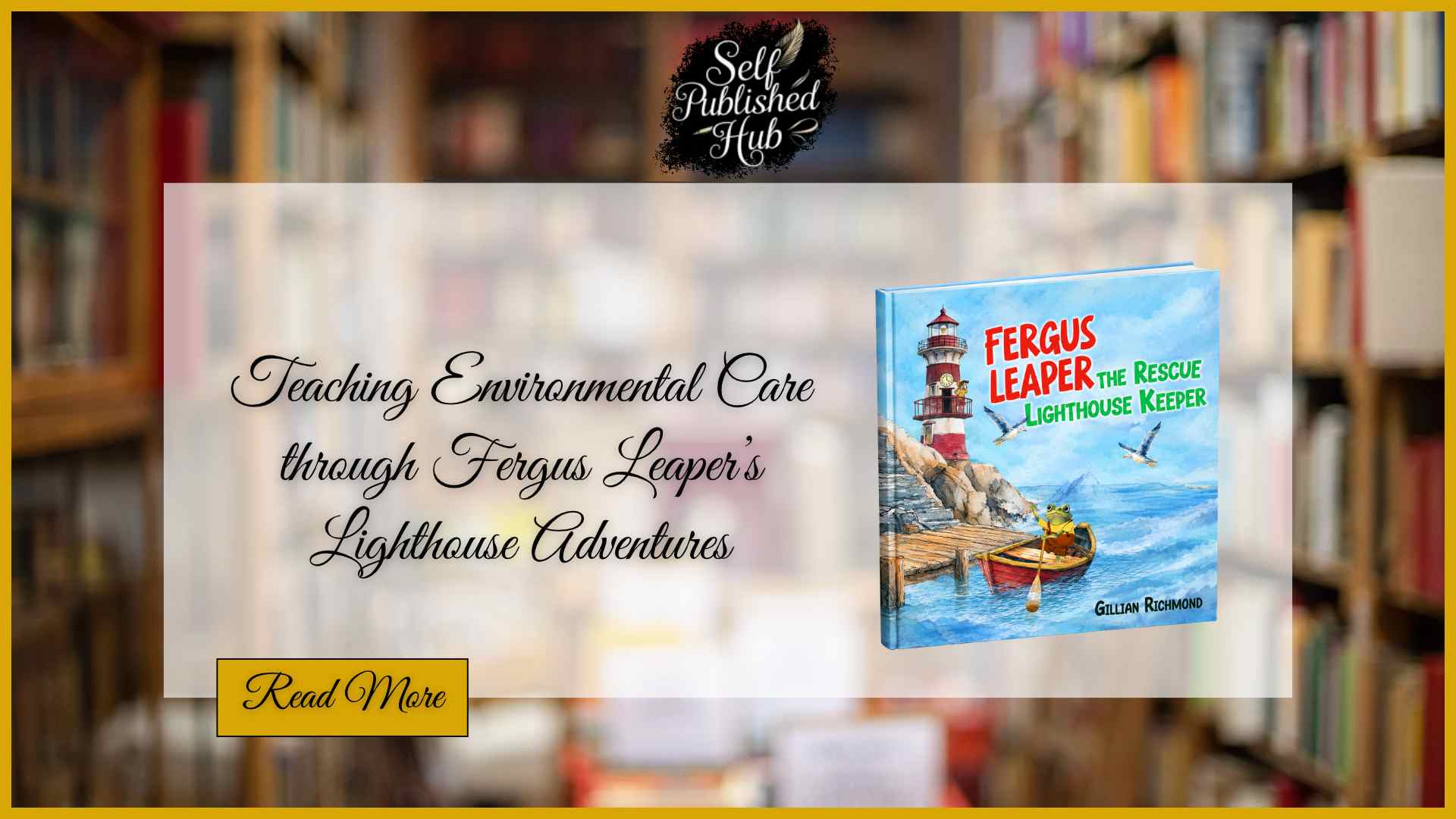
Stories that feature coastal animal rescues, such as Fergus Leaper: The Rescue Lighthouse Keeper by Gillian Richmond, offer a gentle, relatable introduction to the idea that human actions can sometimes harm sea creatures, but humans (and animal helpers) can also fix them.
Follows Fergus Leaper, a one-legged rescue frog and his loyal dog companion, Bernie, as they live and work together in a coastal lighthouse. Throughout stormy weather and foggy days, Bernie keeps watch with her binoculars, ringing the lighthouse alarm whenever she spots someone in peril. Join them on their amazing adventure as the dynamic duo successfully rescues a drifting dog, a stranded cat and goat, and a massive humpback whale tangled in a fishing net.
Richmond’s latest book is a great conversation starter to help children learn about marine life, environmental safety, and the importance of being open, supportive and action-oriented in being thoughtful caretakers of our planet’s oceans.
Keeping it Simple
Avoid abstract statistics or complicated words that a young child cannot process. Instead, use clear, tangible examples. Explain that litter left on the beach or plastic bags dropped in streets can blow into the wind, wash down rivers, and end up floating in the ocean, where fish, birds, and whales might mistake them for food or get tangled in them.
Focus on Solutions and Every Day Habits
Empowerment is the best antidote to environmental anxiety. Show children that even small daily choices make a difference when done together. Involve them in practical routines such as:
- Reducing single-use plastics: Opt for reusable water bottles, lunch containers, and shopping bags.
- Participating in clean-ups: Join a local park or beach clean-up day so they can see that picking up litter directly protects the environment.
- Recycling properly: Make sorting household waste a fun, collaborative family habit.
Books such as Fergus Leaper: The Rescue Lighthouse Keeper, by Gillian Richmond, offer an inspiring way to spark curiosity and compassion for marine life. By keeping conversations about ocean pollution simple, relatable, and solution-focused, we empower children to become keepers of our planet’s blue heart.
Let Fergus and Bernie’s lighthouse adventures inspire your family to create a cleaner, healthier world, one small action at a time.
Buy your copy on Amazon today: https://www.amazon.com/dp/B0HH8FF1CV