If you have ever found yourself wondering, “Why do I feel so off lately?” you are not alone. Many women experience sudden mood changes, fatigue, brain fog, or trouble sleeping, and are unsure what is really behind it. Is it hormones? Is it stress? Or is it something else entirely? The truth is that these experiences often overlap, which makes them confusing and easy to misread. Understanding what your body is trying to tell you is the first step toward balance.
Premenstrual symptoms can include irritability, headaches, bloating, or emotional ups and downs in the days before your period. These changes are caused by natural shifts in estrogen and progesterone. However, not every bad week is PMS. Stress can mimic these same symptoms by raising cortisol, your body’s main stress hormone. When cortisol stays high, it throws off the delicate rhythm of your menstrual cycle, sometimes making PMS worse or appear out of nowhere.
For example, one woman described feeling emotional and exhausted every month, even when her period was still two weeks away. After tracking her symptoms, she realized they were tied to work deadlines, not her cycle. Once she started using short “stress resets”, like deep breathing and gentle walks, her symptoms eased.
Perimenopause, the years leading up to menopause, brings another layer of change. Hormone levels start to fluctuate more dramatically, causing mood swings, hot flashes, irregular periods, and sleep issues. It can start as early as the late thirties and last for several years. Because the symptoms overlap with stress or PMS, many women assume they just need to push through.
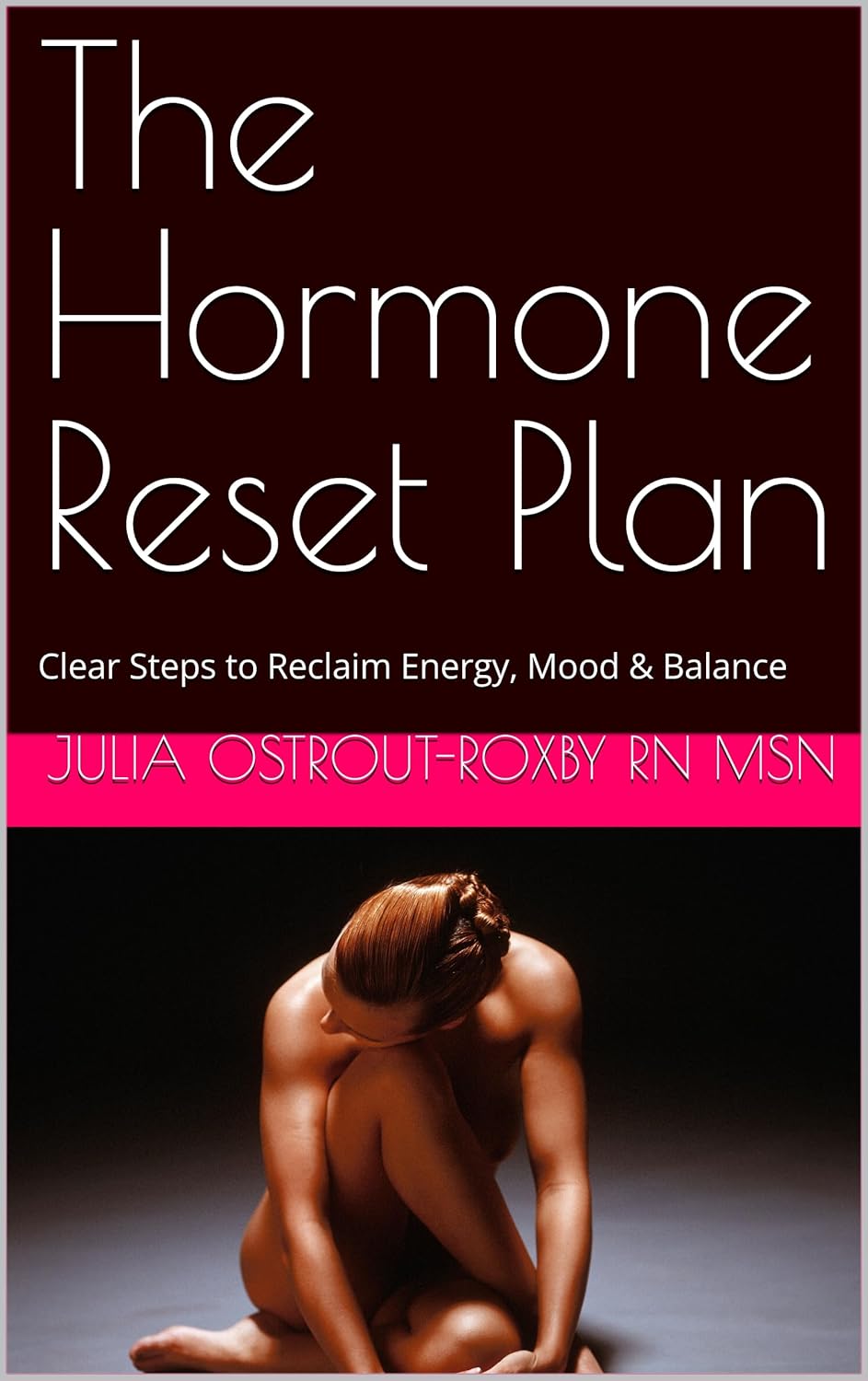
Julia Ostrout-Roxby, RN MSN, explains in The Hormone Reset Plan: Clear Steps to Reclaim Energy, Mood & Balance that perimenopause is often misunderstood. Women are told they are too young for “menopause symptoms,” yet the body is already adjusting to new hormonal rhythms. Recognizing this stage helps remove guilt and confusion. Instead of feeling broken, you start to see your body’s changes as signals, not problems.
Modern life keeps most of us in a near-constant state of alert. Juggling careers, family, and expectations often leaves little time for recovery. When stress hormones remain high, they interfere with estrogen, progesterone, and thyroid balance. The result looks hormonal, fatigue, mood dips, cravings, but it is really your body’s call for rest.
One mother shared that she thought her irritability and night sweats were early menopause. After tracking her sleep, she found she was only getting five hours a night and running on caffeine. Once she improved her sleep and managed stress, her “menopause” symptoms disappeared.
Your body communicates through patterns. By learning to track your symptoms, when they appear, how long they last, and what else is happening in your life, you can start to see what is truly hormonal and what is stress-related.
Julia Ostrout-Roxby’s The Hormone Reset Plan offers practical guidance, simple tracking tools, and compassionate advice to help you connect the dots. It is not about labeling every symptom but about understanding your body’s messages. With clarity comes confidence, and that is where real balance begins.
Stop guessing. Start understanding. Discover your personal hormone roadmap in The Hormone Reset Plan, available on Amazon: https://www.amazon.com/dp/B0FL1HL6YJ.