Every time you walk into a store and buy something labeled “Made in China,” you are participating in a global system that has reshaped economies, trade routes, and political power. Most people think of these purchases as simple consumer choices. But behind every low-cost product lies a chain of events that reaches far beyond the checkout counter.
The United States has built its consumer economy on access to cheap imports. China, with its massive manufacturing capacity and low labor costs, has become the leading supplier of goods to American households. From phones to furniture, toys to tools, trade flows in a single direction: toward the shelves of American stores.
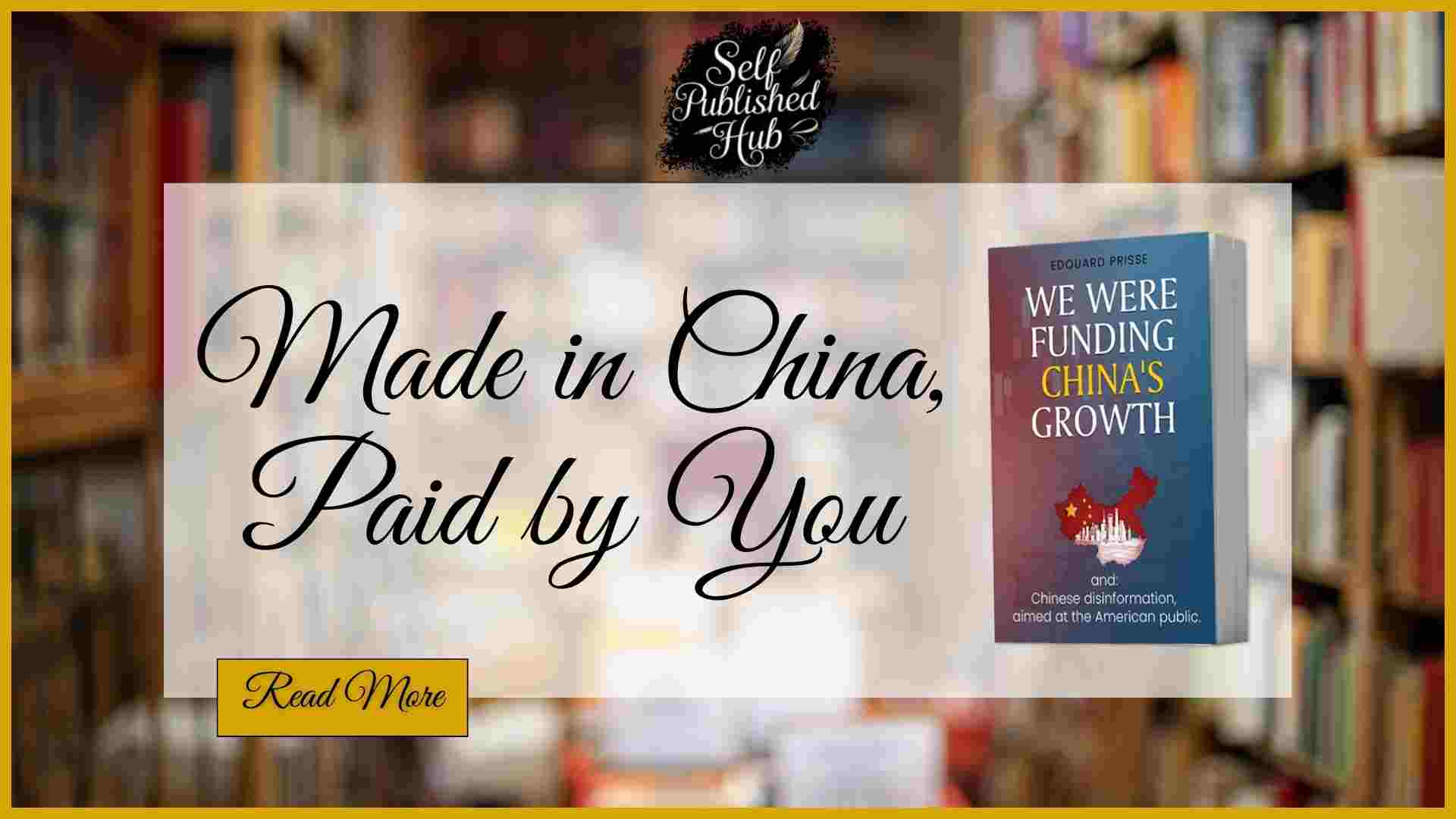
But the money does not stop there. As Edouard Prisse explains in We Are Funding China’s Growth That Must Stop!, that money goes on to build China’s growing influence around the world. Each year, China runs a large trade surplus with the United States. This means that the U.S. imports far more from China than it exports. The result is a constant transfer of wealth that China uses to fund major infrastructure projects, grow its foreign currency reserves, and invest in developing nations.
That money also benefits China’s state-controlled economy. It assists the government in maintaining industries that may not always be profitable but serve important strategic purposes. It enables China to make loans to other countries on terms that give it long-term control over ports, roads, and digital networks.
This is not just about economics. It is about how the world is changing. With each passing year, China strengthens its position in global affairs, not only because of its size or military, but because of the money and power it has gained through trade. And a big part of that trade starts with individual purchases made in stores across the U.S.
It is not wrong to want affordable goods. But we also need to ask where those goods come from, who benefits from the transaction, and what the long-term consequences are. As Prisse argues, we are not simply buying products—we are funding the growth of a country whose goals do not always align with democratic values or international fairness.
The solution is not to stop trade entirely. It is to make trade more balanced. Prisse calls for “Equal Trade,” a system where imports and exports between nations are kept in fair proportion. This would allow for continued economic exchange while reducing the risk of one-sided dependence.
Consumers have a role to play. So do policymakers. The first step is awareness. We need to look beyond price tags and ask harder questions about how the global system works. When we understand the full cost of cheap goods, we can begin to make better choices, not just for ourselves, but for the betterment of our country.
Read We Are Funding China’s Growth That Must Stop! to understand how our daily purchases support a much larger system—and how we can begin to take back control of our economic future.
Here is a link to purchase: www.amazon.com/dp/1967963053.
We Were Funding China’s Growth That Must Stop! by Edouard Prisse is a sharp, well-researched examination of how decades of misguided free trade with China have fueled the rise of America’s greatest rival. Drawing on the economic insights of John Maynard Keynes, Prisse explains how the 2001 decision to welcome China into the global trade system created a one-sided relationship that drained Western industries while empowering Beijing’s authoritarian regime. The book not only exposes the dangers of this ongoing imbalance—job losses, weakened manufacturing, and growing geopolitical risks—but also offers a clear solution: shifting from “free trade” to “Equal Trade,” a value-balanced system that ensures reciprocity and protects democracy. Both a warning and a roadmap, this book is essential reading for policymakers, business leaders, economists, and citizens who care about safeguarding the future of free societies.