Parenting has never been more complex. In a world filled with information, opinions and constant change, many parents find themselves asking a simple yet powerful question: What truly works when raising children?
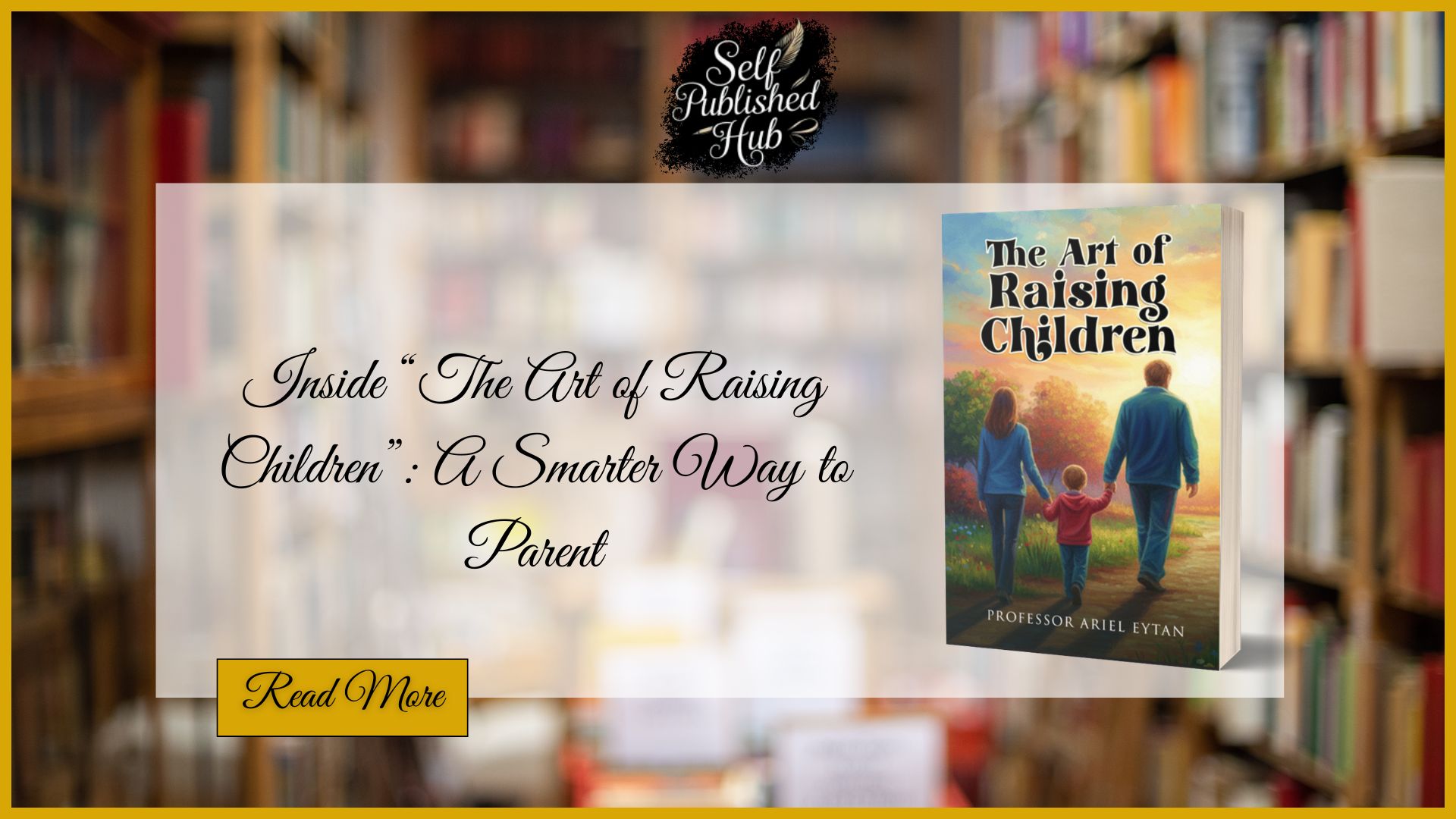
The Art of Raising Children by Professor Ariel Eytan offers a refreshing, deeply insightful answer that moves beyond rigid rules and outdated methods, embracing a smarter, more thoughtful approach to parenting.
At its core, this book challenges the traditional idea that parenting is about control. Instead, it presents a compelling vision: parenting as guidance. Children are not empty vessels waiting to be filled with instructions; they are curious, capable individuals who thrive when given the space to explore, question and grow.
One of the most powerful ideas explored in the book is the importance of child-led learning. Rather than forcing children into narrow educational paths, Professor Eytan emphasizes nurturing curiosity. When children are encouraged to investigate, experiment and reflect, they naturally develop confidence and critical thinking skills. They don’t just learn, they become active participants in their own development.
Another standout principle is teaching through example. The book makes it clear that children learn far more from what parents do than what they say. Everyday actions that show patience, demonstrate responsibility and handle challenges with integrity become the foundation of a child’s character. This approach transforms parenting from a set of instructions into a lived experience that children absorb naturally.
What makes The Art of Raising Children especially unique is its integration of global educational philosophies. By blending the discipline and work ethic often seen in East Asian systems with the emphasis on questioning and independent thinking found in Jewish educational traditions, the book presents a balanced framework. This combination helps children develop both structure and creativity, two qualities essential for success in today’s world.
The book also highlights the importance of relationships in a child’s development. Strong connections between parents, teachers and children create an environment of trust and respect. When children feel supported and valued, they are more willing to engage, take risks and push beyond their limits.
Perhaps most importantly, the book prepares children for the future by encouraging independence and intellectual autonomy. In a rapidly changing world, the ability to think critically, solve problems and adapt is more valuable than memorizing facts. By giving children ownership of their learning and encouraging them to express their ideas, parents can raise confident individuals who are ready to navigate life on their own terms.
The Art of Raising Children is more than just a parenting guide; it is a philosophy. It invites parents to rethink their role, shift their mindset and embrace a more meaningful way of raising the next generation.
For anyone seeking clarity, confidence and a deeper understanding of what it means to raise successful, well-rounded children, this book is not just helpful; it is essential.