Most of us carry invisible scars from childhood — moments of fear, shame, or loneliness that we tucked away, believing time would erase them. But the body doesn’t forget. Tension in your shoulders, recurring anxiety, even chronic fatigue can sometimes trace back to the unresolved hurts of your younger self. That’s where inner child work comes in — a gentle, powerful way of reconnecting with those early experiences to bring both emotional and physical healing.
Inner child work isn’t complicated. It doesn’t require years of therapy or elaborate rituals. Often, it begins with something as simple as sitting quietly and asking yourself: What did I need most as a child that I didn’t receive? Was it reassurance? A sense of safety? Or simply the feeling that you were seen and valued? By reflecting on these questions, you start to uncover patterns that still shape your adult life.
Imagine a child who grew up in a home full of conflict. As an adult, that same person may struggle with stress-related illnesses, not realizing their nervous system is still reacting as though every disagreement is dangerous. Or think of someone who felt invisible in their family. Today, they might push themselves endlessly at work, chasing recognition they never received. Reflection shines a light on these patterns. And once you see them, you can begin to heal.
Science backs this up. Studies in neuroscience show that the brain can rewire itself through intentional thought and reflection. When you revisit a painful memory with compassion, you literally change the way your body stores and responds to that memory. What once triggered anxiety can, over time, become a source of strength.
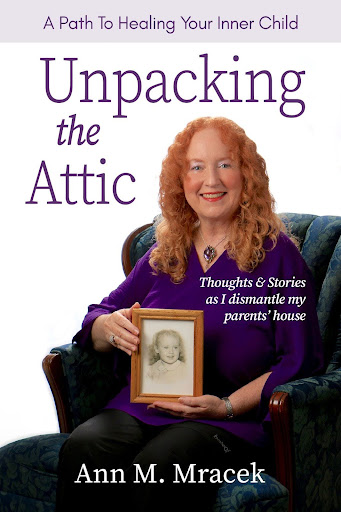
A vivid example of this comes from Unpacking the Attic by Ann M. Mracek. In her journey of clearing out her parents’ home, everyday objects triggered childhood memories — both tender and painful. Instead of running from them, she paused, reflected, and spoke words of love to the child she once was. By doing so, she transformed old wounds into sources of resilience. Her story reminds us that reflection isn’t about reliving pain, but about rewriting how it lives within us.
So how can you start? Begin small. The next time a childhood memory surfaces, instead of brushing it aside, pause. Place your hand over your heart, breathe deeply, and imagine speaking to your younger self. Say the words you needed back then: You are safe. You are loved. You are enough. It may feel strange at first, but these simple acts can soften years of hidden tension.
Inner child work isn’t about staying stuck in the past. It’s about reclaiming lost parts of yourself so you can live more fully in the present. When we honor the child we once were, we free our bodies and minds from carrying the weight of old hurts. Reflection becomes medicine — one that heals not just our hearts, but our health as well.
Want To Discover More? Head Over To Our Website: annmracek.com
Get Your Copy On Amazon: www.amazon.com/dp/0976648873