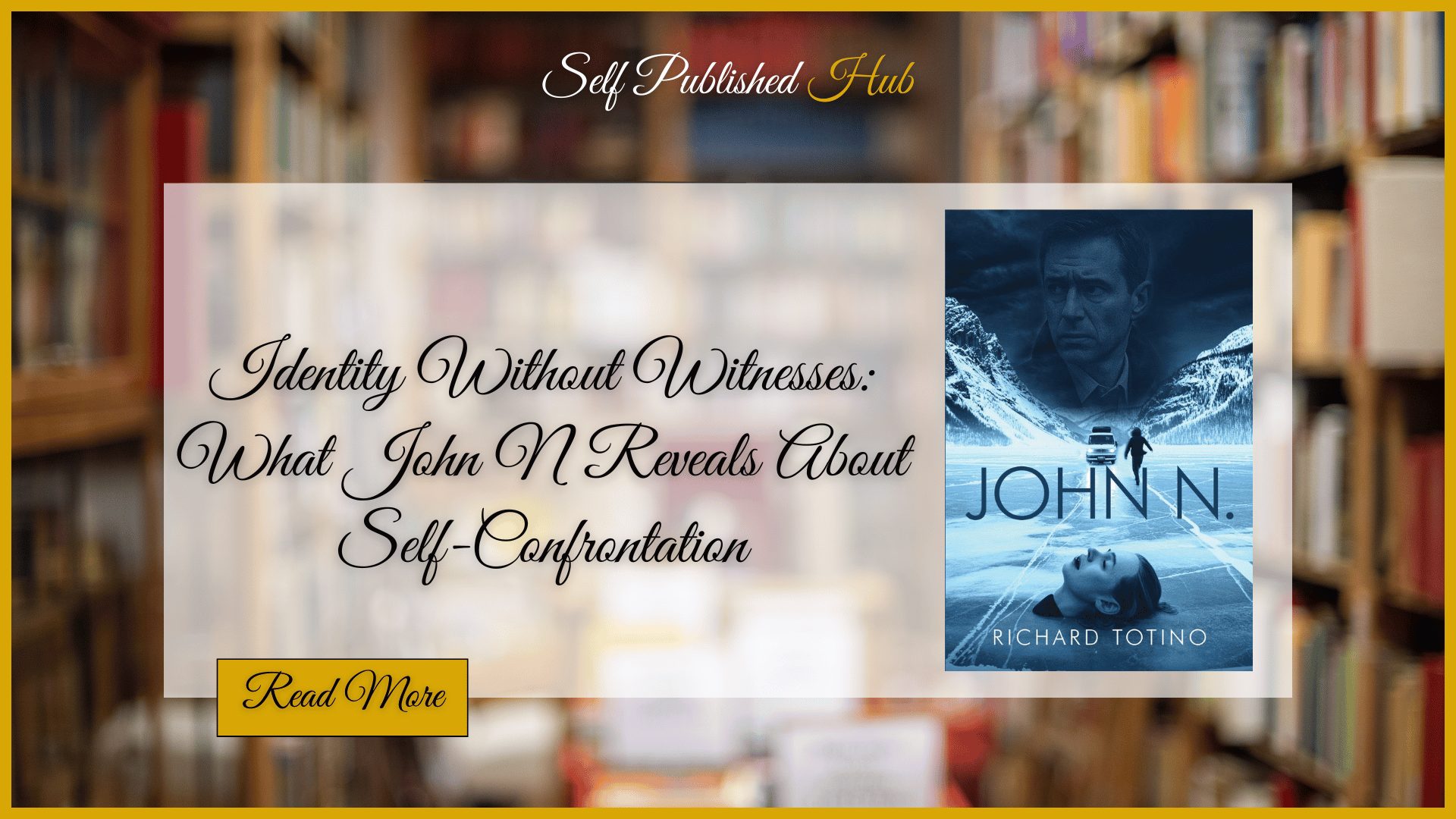
Who are we when no one is watching? This question sits quietly at the center of John N by Richard Totino. From the beginning, the novel asks the reader to consider identity without performance, without approval, and without explanation. It is a story that turns inward, examining what happens when a person must face themselves in the absence of an audience.
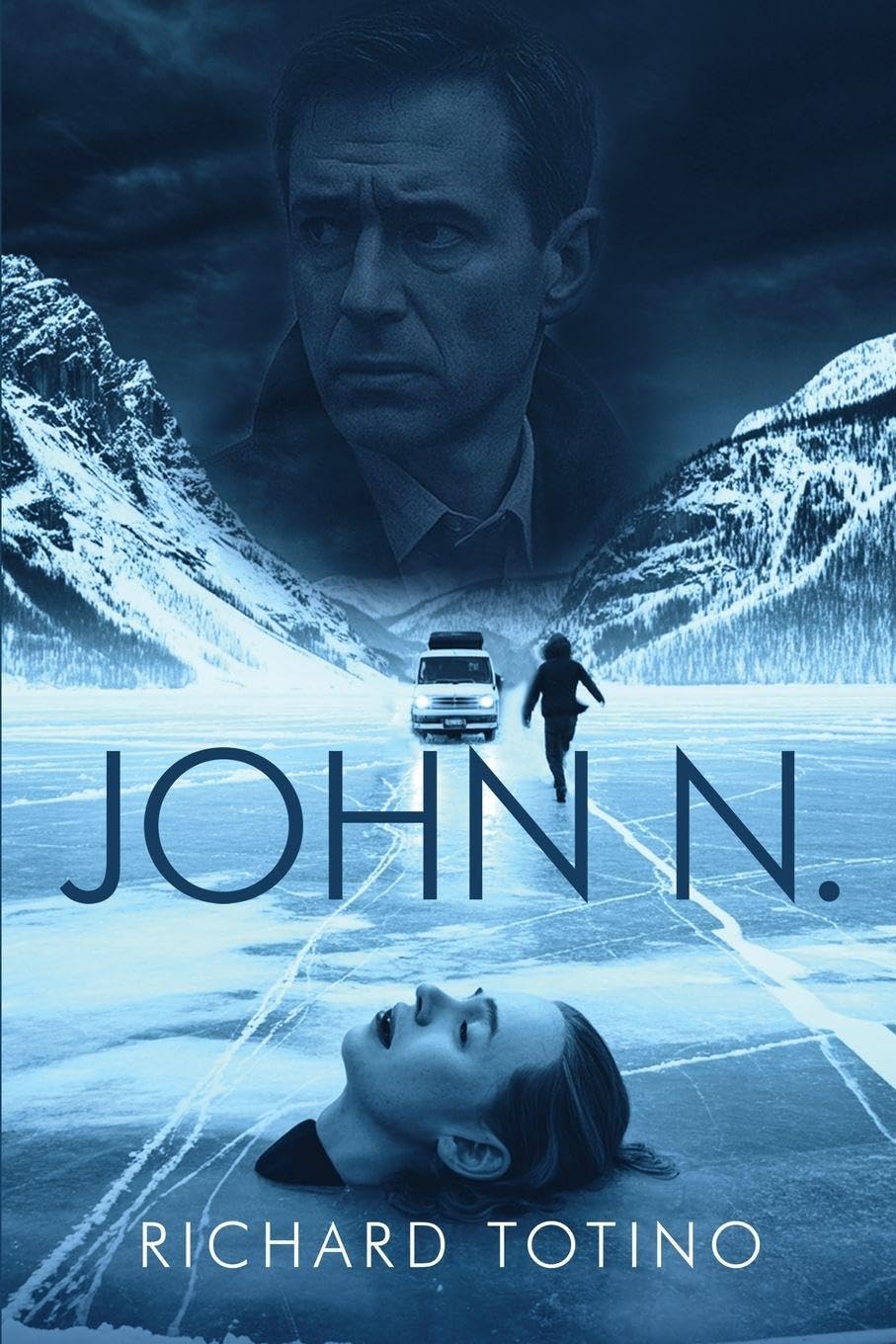
In John N, identity is not shaped by public roles or outside judgment. Instead, it develops in private moments where there is no one to impress and no one to forgive. Richard Totino presents a protagonist who lives largely within his own thoughts, carrying the weight of past choices that cannot be undone or justified through words. This approach removes any sense of spectacle and replaces it with honest self-confrontation.
One of the novel’s defining strengths is its refusal to offer validation. John is neither rewarded for his introspection nor punished in obvious ways. He exists with his memories and the consequences of his actions. This lack of external absolution forces both the character and the reader to sit with discomfort. When John reflects on his past, there is no dramatic confession or moment of release. Instead, there is silence, hesitation, and an ongoing tension between acceptance and denial.
Totino uses this restraint to explore identity as a private reckoning rather than a public statement. John does not explain himself to others because no one could fully understand or absolve him. His struggle is internal, shaped by memory and moral awareness rather than reaction. For example, moments when John chooses not to speak carry as much meaning as dialogue. These silences reveal fractures in his sense of self and highlight how deeply personal identity can be when it is stripped of witnesses.
The absence of an audience also shifts responsibility inward. Without anyone to blame or impress, John must take ownership of who he is. The novel demonstrates that self-confrontation is not a single event, but a repeated process. Each memory, each quiet decision, becomes another test of honesty. This structure invites the reader to reflect as well. It becomes difficult not to ask similar questions about one’s own identity when external labels are removed.
Another important element of John N is how it treats reflection as ongoing rather than resolved. Totino does not offer neat answers or moral conclusions. Identity remains unfinished, shaped by reflection rather than redemption. This choice keeps the novel grounded and realistic. It acknowledges that many people live with unresolved aspects of themselves and continue forward without closure.
Ultimately, John N explores what it means to confront oneself without witnesses. It examines identity in its most private form, where there is no validation and no external forgiveness. Through silence, memory, and inner conflict, the novel invites readers to consider their own inner lives with similar honesty.
For those interested in thoughtful psychological fiction that values reflection over resolution, John N by Richard Totino is a book worth reading. It is available on Amazon: https://www.amazon.com/dp/1970440376/.