The most powerful lessons children learn in school are often not academic. They are emotional. How to pause before reacting, understand others’ feelings, and take responsibility for choices all shape a child’s growth. These skills are at the heart of social-emotional learning, and they develop best in environments that feel calm and supportive. Visual discipline tools play an important role in creating those environments.
Unlike verbal correction, visual tools allow children to process guidance without stress. Loud reminders or repeated instructions can overwhelm young learners and interrupt emotional development. Visual cues slow the moment down. They give children time to notice, think, and respond. This process strengthens self-awareness, which is a core goal of social-emotional learning.
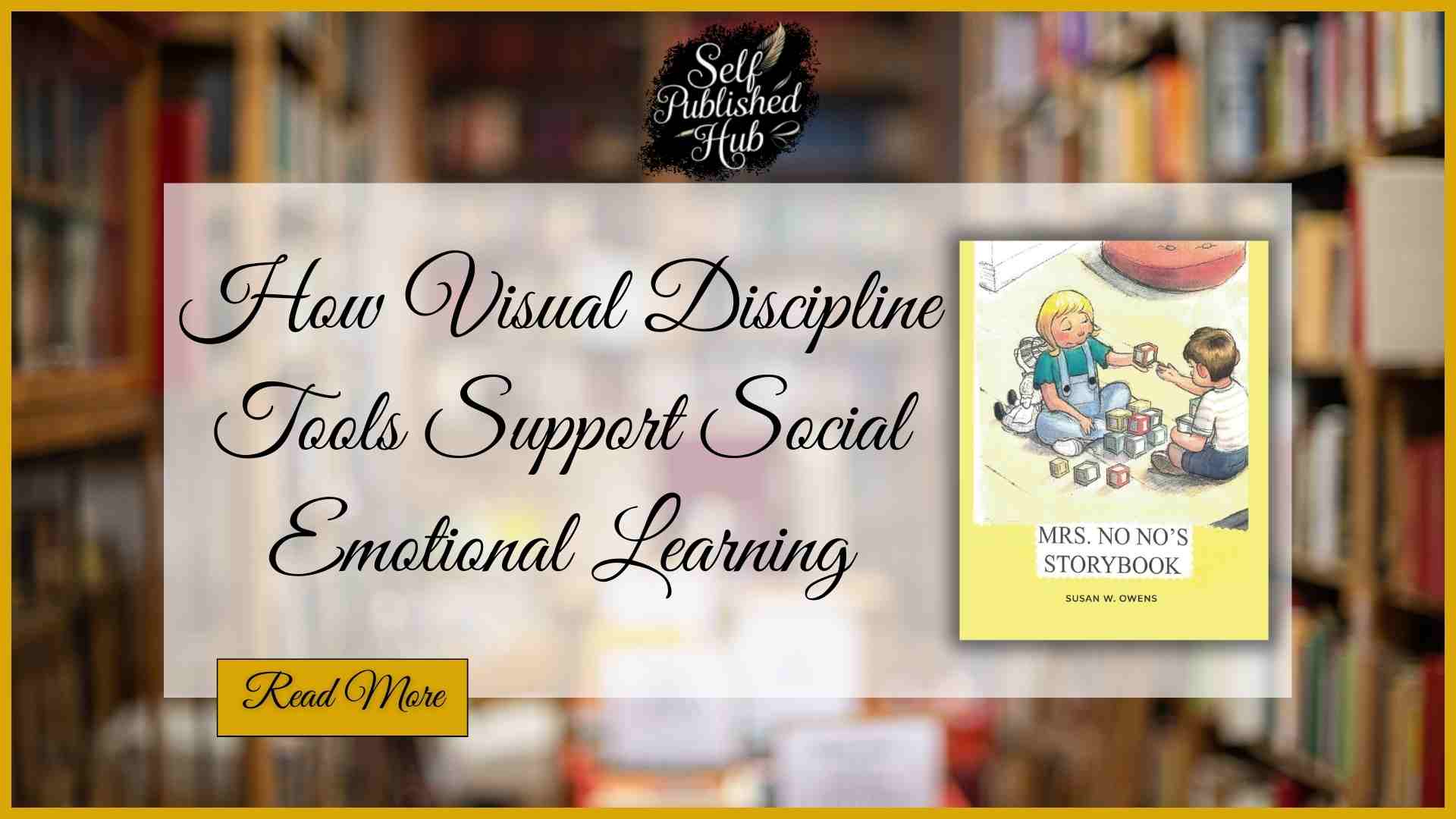
Self-awareness grows when children can recognize their own behavior and its impact. Visual tools make this easier by providing a clear signal without emotional charge. In Mrs. No No’s Storybook by Susan W. Owens, teachers use a puppet named Mrs. No No to quietly signal when behavior needs adjustment. When she looks at a child and asks a simple question, the child is invited to reflect. This moment of reflection helps children notice what they are doing and consider a different choice.
Empathy also develops in classrooms that rely on calm guidance. When discipline is gentle, children learn that mistakes are part of the learning process. They experience correction without shame, which makes them more understanding toward others. Seeing a teacher use respectful tools models empathy in action. Children begin to treat peers with the same patience they receive from adults. Visual discipline tools support this by keeping interactions steady and kind.
Accountability is another key element of social-emotional learning. Children learn accountability when they are given the chance to correct themselves. Visual cues do not force compliance. Instead, they prompt thinking. In Mrs. No No’s Storybook, children are encouraged to make better choices on their own after a visual reminder. Over time, many students begin to self-correct even before the puppet is lifted. It shows growing accountability and internal control.
Visual tools also support emotional regulation. When children know what to expect, they feel safe. A consistent visual signal reduces anxiety and confusion. Predictability allows children to focus on learning rather than reacting emotionally. This sense of security is essential for developing regulation skills.
The book further supports social-emotional learning through character-building raps that reinforce values such as respect, honesty, cooperation, and responsibility. These routines pair well with visual cues by giving children language to describe positive behavior. Repeating these messages daily helps children internalize them and apply them in real situations.
Visual discipline tools bridge behavior guidance and emotional growth. They help children understand themselves, relate to others, and take responsibility for their actions. When used consistently, they support long-term development rather than short-term compliance.
Educators looking for a practical example of how visual discipline supports social-emotional learning will find valuable guidance in Mrs. No No’s Storybook by Susan W. Owens.
Explore this book now, available on Amazon: https://www.amazon.com/dp/B0FPPJX6DR.