Many of the words and phrases people use every day come from old trades and jobs that were once part of ordinary life. Long before modern offices, factories, and technology, people worked with their hands. Blacksmiths, nail makers, weavers, millers, and builders shaped not only tools and buildings, but also the language that is still spoken today.
In the past, work was visible and physical. Children grew up watching parents and neighbours labour from morning until night. The sounds, tools, and routines of these trades became so familiar that they naturally turned into expressions people used to describe feelings, situations, and behaviour. Over time, the original work faded, but the language remained.
One example comes from cloth making. Before cloth was sold in shops, it was stretched on wooden frames using hooked nails called tenterhooks. The cloth had to be pulled tight and left to dry. While waiting, workers were tense and alert, hoping the fabric would not shrink or tear. This is where the phrase on tenterhooks comes from. Today, it means feeling anxious or waiting nervously, even though most people have never seen a tenterhook.
Building trades gave us many common expressions. The phrase nail something down originally meant fixing wood firmly so it would not move. Today, it means to make something certain or final. To get hammered once referred to repeated blows from a tool. Now it is used to describe being criticised or punished harshly.
Mill work and grain processing also shaped language. When grain was ground into flour, it had to pass between heavy stones. This gave rise to the phrase the daily grind, meaning routine or tiring work done every day. Being run of the mill once described ordinary flour produced in large amounts. Today, it means something common or not special.
Trades involving measurement and fairness created expressions about honesty. In markets, goods were weighed using scales. If a trader cheated, they used false weights. This is why the phrase tipping the scales now means unfair advantage, and why something above board refers to honest dealing, with goods placed clearly on the counter rather than hidden underneath.
Children who worked in trades also contributed to shared language. Many expressions connected to learning, effort, and endurance came from watching young workers repeat the same task hundreds of times a day. Phrases about pulling your weight or earning your keep reflect a time when everyone in a household was expected to contribute. These expressions survive because they describe human experience so well. Even when the original tools and workshops disappeared, the feelings behind the words remained familiar. Stress, effort, patience, fairness, and hard work are still part of life, even if the work itself has changed.
Understanding where these phrases come from helps people see language as a living record of history. Everyday speech carries echoes of fires, hammers, workshops, and long working days. It reminds us that modern life is built on the labour of the past.
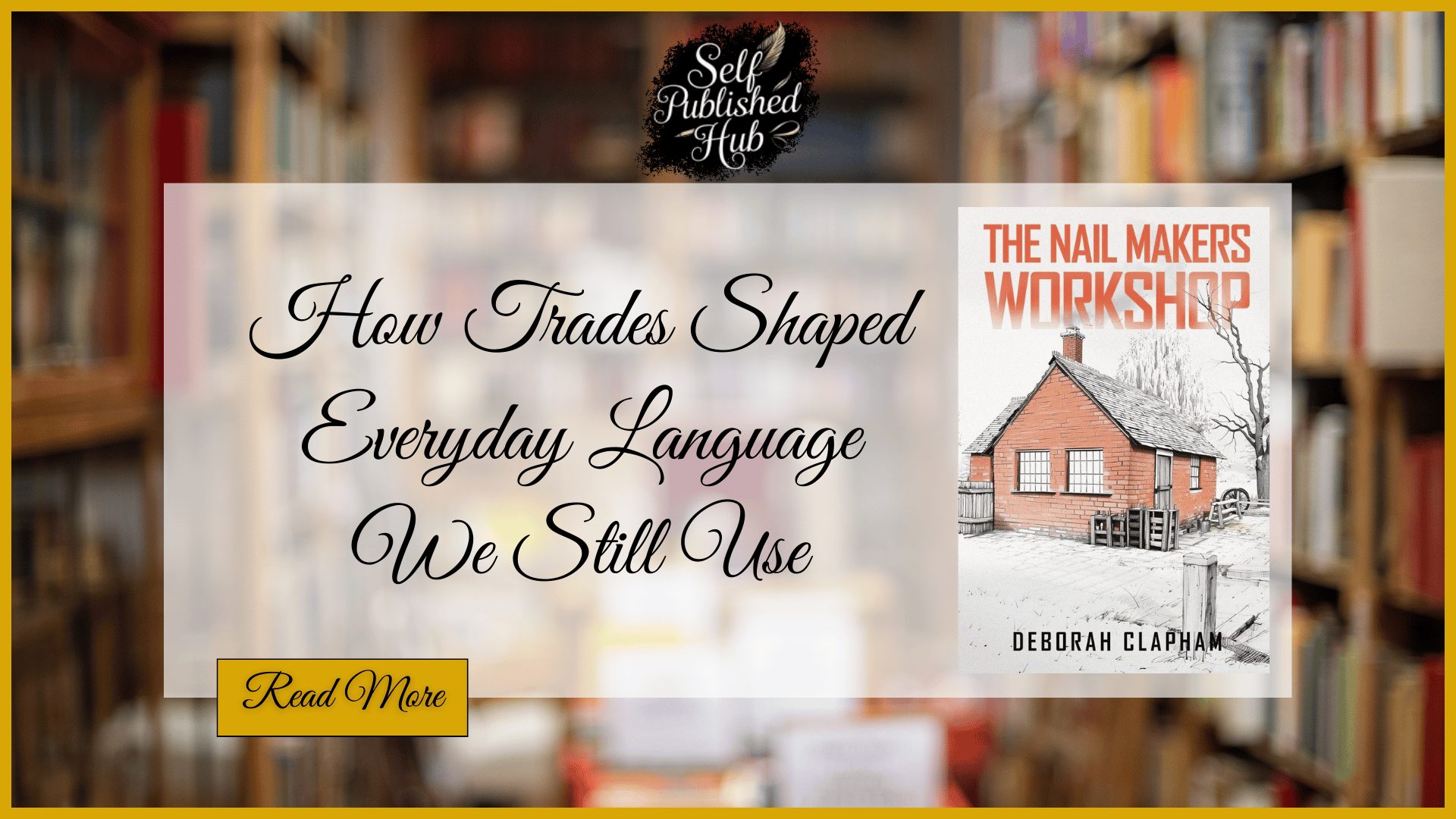
These connections between work and words are explored gently and clearly in Emily’s Adventures The Nail Makers Workshop by Deborah Clapham, a book that shows how traditional trades shaped not only daily life, but the language we still use today.
Book now available on https://www.amazon.co.uk/dp/1971610682/