With the global food service market projected to reach $5,423.59 billion by 2030, the culinary industry offers numerous opportunities for ambitious, passionate individuals aspiring to become chefs.
While the first image that comes to mind when thinking of a professional kitchen may be similar to Hell’s Kitchen, where you are hopping between the roaring exhaust hoods, the clattering of heavy copper pans, and a dizzying chorus of different languages and thick regional dialects clashing mid-service, it is easy for a new cook to feel completely underwater.
In fact, navigating an overseas culinary environment requires more than knowing how to hold a chef’s knife. You need to learn the basics of kitchen etiquette and unique strategies for cultural survival, mental resilience, and rapid adaptation. If you are planning to make a career in the culinary world, here are some tips for you to take into account.
1. Master the Language of the Line
When you are a stranger in a foreign kitchen, language barriers can melt away under the pressure of a dinner rush if you rely on the universal lexicon of food. However, regional slang and distinct accents can still cause dangerous misunderstandings. To survive, you must listen intently and learn the kitchen’s specific shorthand immediately. If verbal communication breaks down, adapt by using clear, definitive visual cues. This includes holding up a finished prep container or pointing to a ticket to confirm orders and maintain the flow of service without missing a beat.
2. Check Your Ego at the Back Door
An international kitchen has zero interest in where you went to school or how impressive your resume looked back home. The kitchen hierarchy is a meritocracy built entirely on speed, consistency, and humility. Be prepared to start at the absolute bottom, doing the grueling prep work no one else wants to do. Demonstrating a willingness to learn their specific methods without talking about “how we did it at my old job” is the fastest way to earn the respect of a seasoned international crew.
3. Develop an Unshakeable Thick Skin
The back-of-house culture in premier global kitchens is notoriously intense, high-stress, and blunt. Corrective feedback is rarely delivered politely; it is often barked across a hot line in a language or dialect you might barely understand. You cannot take the heat of the kitchen personally. Absorb the technical lesson hidden beneath the loud delivery, fix the mistake instantly, and keep moving forward.
4. Study the Mechanics of Local Ingredients
Ingredients behave differently depending on the soil, climate, and regional sourcing of the country you are working in. The flour might absorb moisture differently, the dairy might have a completely different fat content, and local seafood requires butchery techniques you may never have seen before. Spend your downtime studying, touching, and tasting raw local products to master how they react under heat.
5. Find Anchors Outside of Work
Surviving a grueling international kitchen requires keeping your mind grounded when you finally step outside the back door. The isolation of living in a foreign city can amplify the burnout of ninety-hour workweeks. So, try to establish a routine outside the kitchen, whether it’s exploring local markets, finding a reliable coffee spot, or connecting with fellow expats. This will give your brain a sanctuary to decompress and recharge.
6. Embrace the Chaos as Education
The very things that make an international kitchen terrifying are the cultural friction, the unfamiliar high-volume systems, and the relentless pace. Anyone who has experienced this knows exactly that these are the very things that will transform you into an elite professional. Every shift is an active lesson in global culinary diplomacy and high-pressure problem-solving.
In the end, as a professional in an international kitchen, you need to remain calm, even under pressure. There will be days when you experience so much pressure, and there will be days when the kitchen is calm. As a chef, your primary focus should be on providing the best possible service to customers, so they come back to you every time.
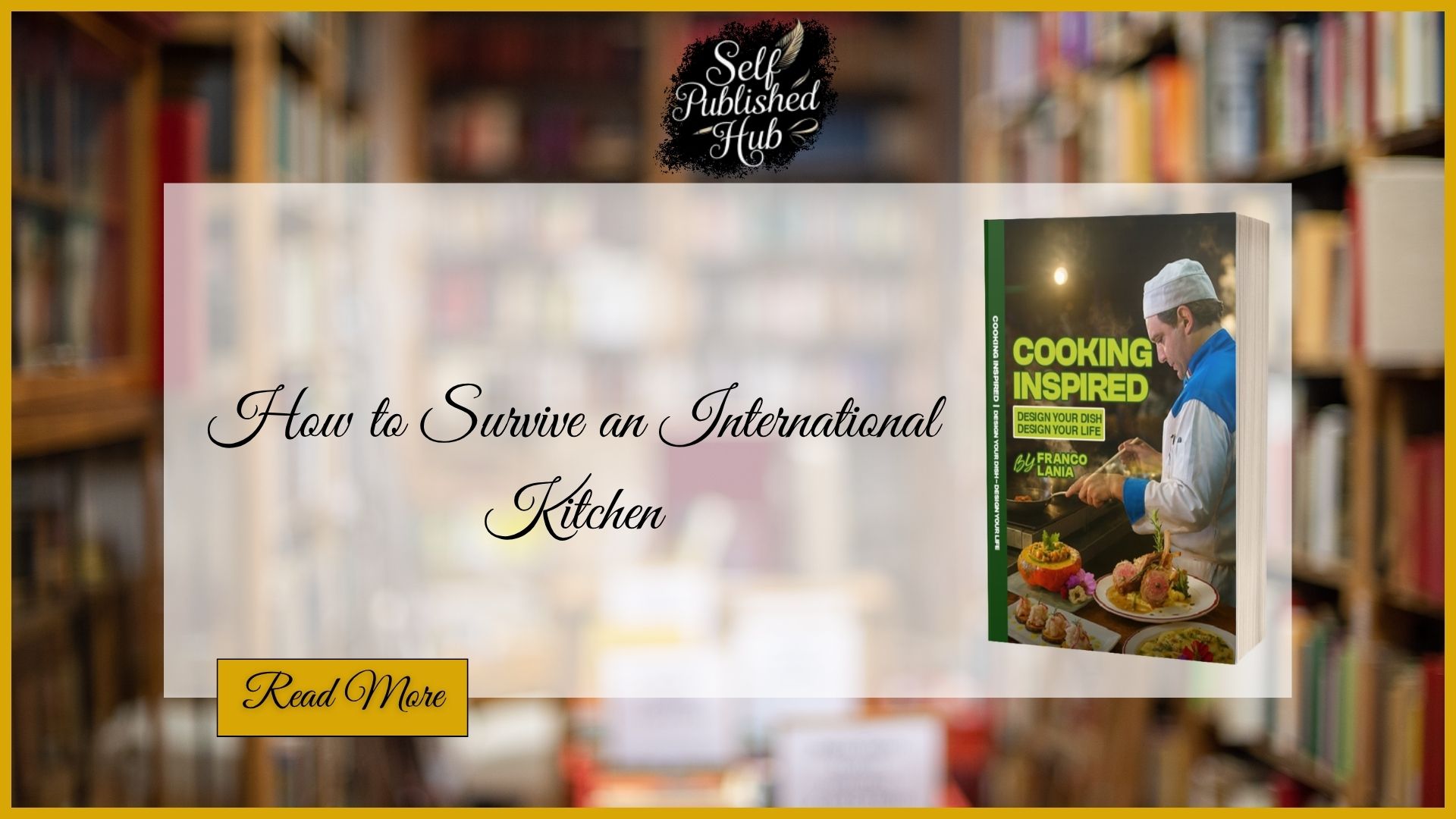
To read an authentic, gripping first-hand account of navigating these exact cultural barriers, tracking down flat rentals as a broke student, and surviving intense international kitchen dynamics, pick up a copy of Cooking Inspired today.
You can learn more about this exciting new book by listening to Chef Franco’s interview on Vigilantes Radio Live! In this segment, he talked about life, cooking, spirituality, inspiration, 9/11, and his upcoming memoir. It is an interesting show, and it’s about 30 minutes long. The host, Dini, does a fantastic job and makes this an interesting show! The book will be available shortly this year, so please stay tuned. Your support throughout the years has been greatly appreciated.