When a child’s heart breaks, it rarely breaks loudly. The wounds often form quietly behind closed doors, hidden beneath smiles, routines, and “everything is fine.” However, these unspoken injuries can become lifelong battles. In a world filled with spiritual confusion, emotional instability, and unchecked influences, Christian parents must recognize this truth. Protecting children requires more than providing a home. It requires building a refuge.
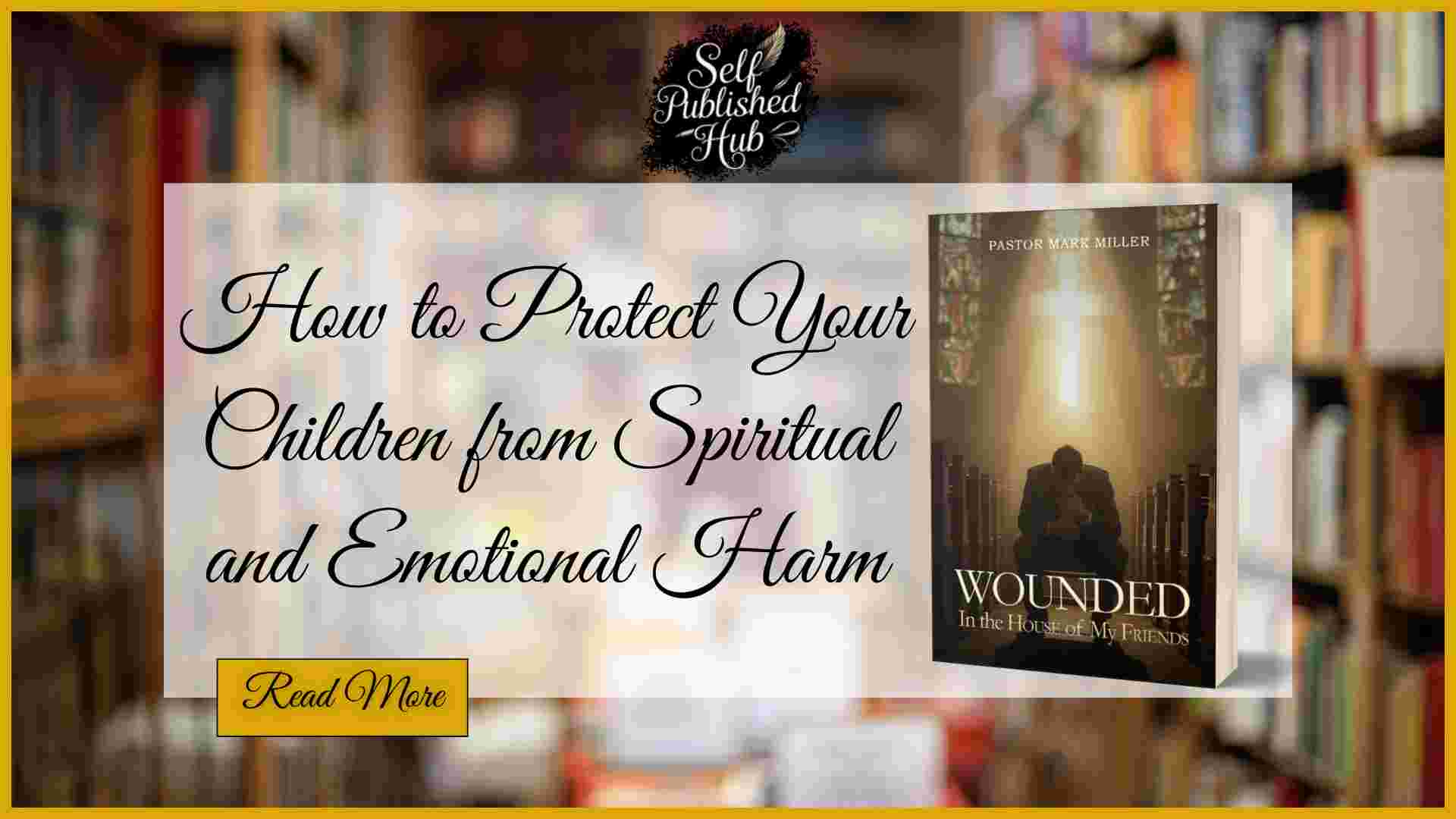
Pastor Mark Miller’s book Wounded in the House of My Friends reveals how childhood trauma, abusive environments, and spiritual oppression shape people long into adulthood. His stories of men and women who were harmed in their most formative years offer a sobering reminder. Harm often enters through the moments no one notices. But the good news is that Christian parents can identify, confront, and prevent these patterns before they take root.
- Understand That Spiritual and Emotional Harm Begins Early
Children interpret the world spiritually long before they can explain it. Conflict, dysfunction, manipulation, and fear create open doors for emotional wounds and spiritual vulnerability. In Pastor Miller’s testimonies, many individuals faced abuse or trauma long before they understood what was happening. These early injuries became the enemy’s foothold for future torment.
Parents must take seriously the responsibility to guard the spiritual atmosphere of the home. A peaceful, prayerful environment is not optional. It is protective.
- Recognize the Warning Signs
Emotional and spiritual harm rarely emerges without symptoms. Watch for these indicators:
- Sudden fearfulness.
- Withdrawal or isolation.
- Unexplained anger or sadness.
- Regression in behavior.
- Nightmares or sleeplessness.
- A reluctance to be around certain adults or environments.
Pastor Miller illustrates how children often remain silent because they fear they will not be believed or do not understand their own experiences. Sensitivity and early recognition can prevent years of pain.
- Talk About Hard Things Without Fear
Silence is the enemy’s ally. Many of the individuals in Wounded in the House of My Friends never spoke of their trauma until adulthood. Parents must create a home where difficult conversations are welcomed and handled with kindness and understanding.
Teach your children about boundaries, respect, and the difference between safe and unsafe behavior. Speak openly about their authority in Christ and the importance of coming to you with anything that troubles them. The goal is not fear. The goal is empowerment.
- Create a God Honoring Home
A safe home is not simply free of danger. It is full of God. Children thrive when they see righteousness lived out, forgiveness practiced, Scripture applied, and prayer made a normal part of their lives. Pastor Miller emphasizes repeatedly that healing and strength come from Jesus and the active presence of the Holy Spirit.
Parents can model this by worshiping together, discussing Scripture, and practicing spiritual discernment. Your home environment teaches your children how to navigate life long after they leave it.
- Break Generational Cycles with Intention
Many of the wounds in the book can be traced back to unhealed parents and grandparents. Trauma, addiction, abuse, and spiritual oppression often pass quietly from one generation to the next. Breaking these cycles requires honesty, repentance, and the courage to move forward.
Seek healing for your own heart so your children do not inherit what you endured. Your freedom becomes their protection.
Protecting children from emotional and spiritual harm is not a one-time decision; it requires ongoing commitment. It is a daily commitment. With God’s help, parents can create homes where safety, truth, and the presence of Christ guard every doorway.
To better understand how spiritual wounds form and how healing begins, consider reading Wounded in the House of My Friends by Pastor Mark Miller. It is a powerful guide for every parent committed to raising whole, protected, and Christ-anchored children.