The distinction between the two worlds becomes apparent the first time you can no longer tell if you are awake or dreaming. Science fiction thrives on that boundary, pushing it until readers are unsure of the distinction between “real” and “virtual.” This involves perception, trust, and identity in addition to technology.
In many sci-fi stories, the virtual world starts as an escape. It is cleaner, safer, and more exciting than the real one. But as characters spend more time inside it, the boundaries blur. The mind begins to treat both places with equal weight, reacting to digital threats with the same adrenaline as physical danger. What makes these stories powerful is not the gadgets or the code, but the way they force us to ask what reality truly means.
Virtual environments in fiction often act like mirrors. For example, they reflect the world outside but bend the image slightly, revealing truths that might be hidden in the real world. A ruined city can be rebuilt in pixels. A person can take on a form that reflects who they feel they are inside. In this way, the virtual can be more “honest” than the physical world, even as it risks becoming addictive or manipulative.
Science fiction also plays with the idea that the digital and physical are not separate at all. A choice made in a simulation can have lasting consequences in real life. An avatar’s destruction might mean losing access to crucial resources, relationships, or even one’s own sense of self. Because of this overlap, both characters and readers are forced to consider how closely our identities are linked to the places we live.
The most compelling stories about the virtual-real divide are not about escaping into fantasy but about what happens when we must move between both worlds. With their rich storytelling and realistic possibilities, they prompt us to ask: How do you hold onto your sense of self when you have two bodies, two lives, and two sets of rules? How do you decide which version of you is the “real” one?
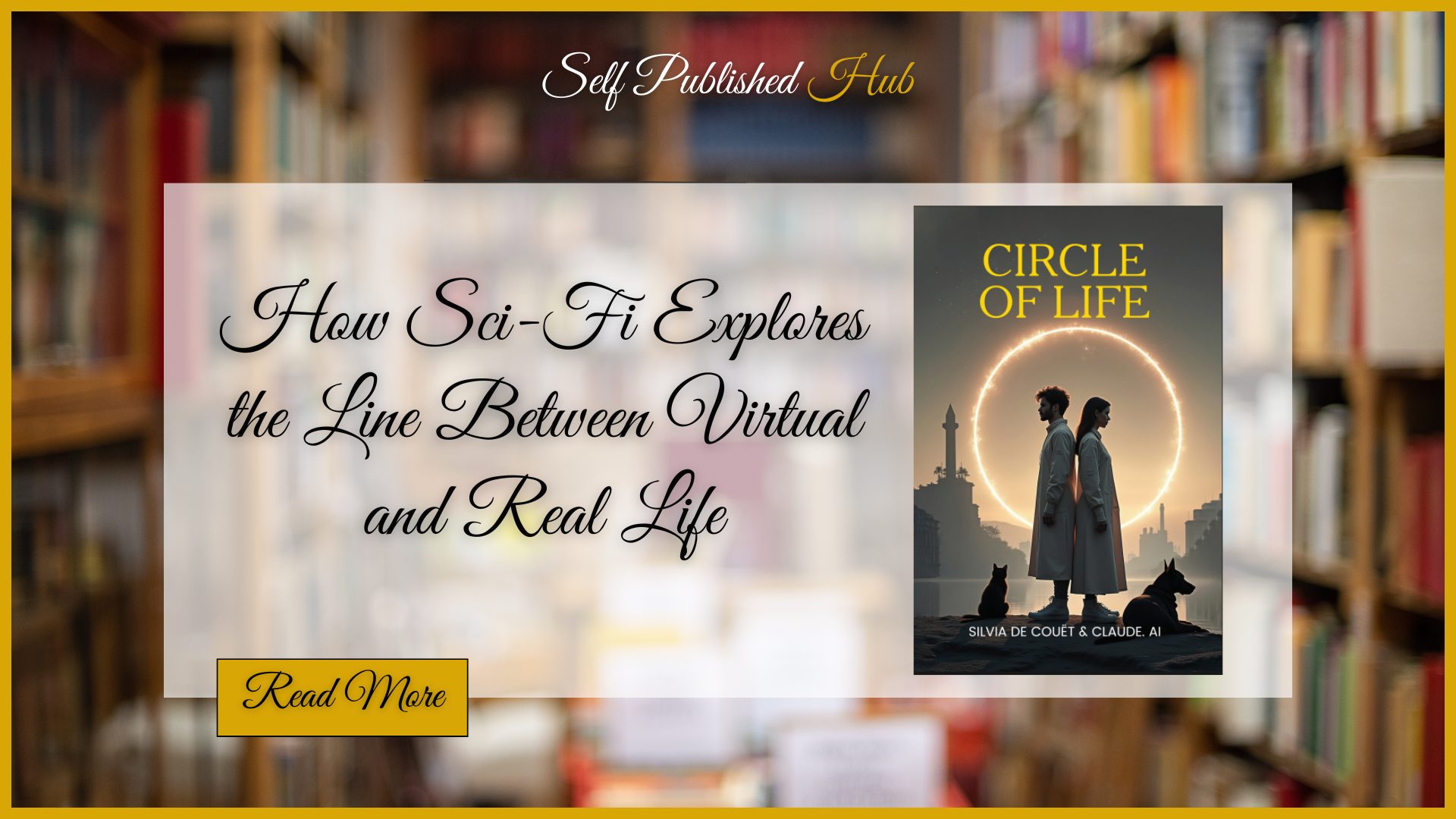
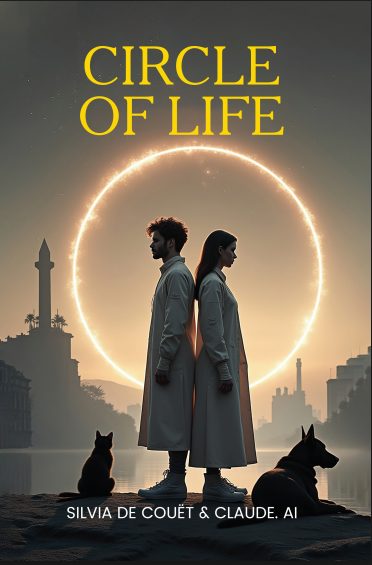
These are the kinds of questions that make readers linger long after they close the book. And in Circle of Life, Silvia de Couët & Claude AI tackle them with care. By blending human emotion with digital uncertainty in a way that feels both timely and unsettling, the book presents a rich narrative that will keep us glued to our seats. The MEGAverse they create is vibrant and dangerous, but the heart of the story lies in the people trying to find their truth within it.
Circle of Life is an experience worth taking if you want to witness the collision of the virtual and the real in a narrative that never loses sight of its human core. It will give you a fresh outlook on life and the world.
Read this book now: www.amazon.com/dp/B0DGVH3N2W