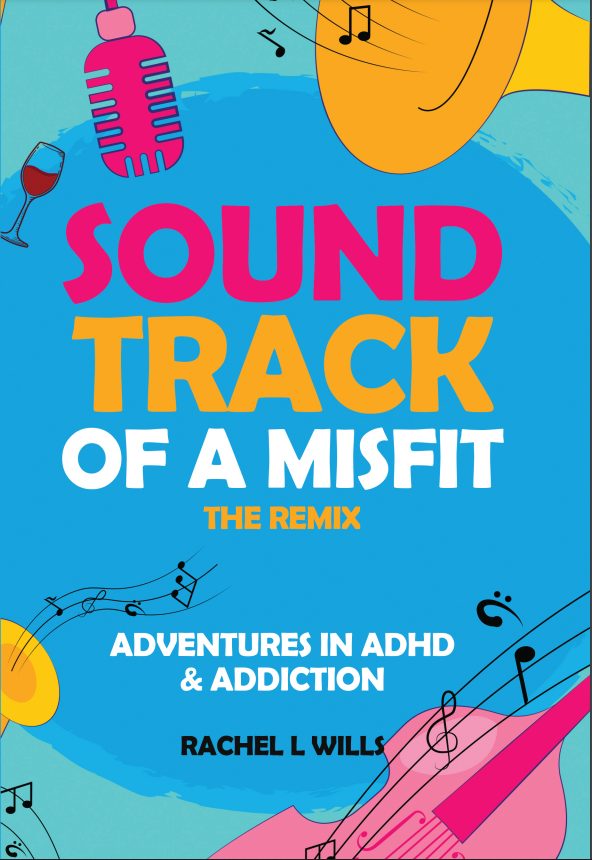
If music has ever helped you calm down, feel understood, or release emotion you could not name, there is a reason. Before exploring that connection, reading Soundtrack Of A Misfit (The Remix): Adventures in ADHD & Addiction by Rachel Leigh Wills offers a powerful starting point. The memoir shows how music can become both refuge and regulation for a mind that feels overstimulated or misunderstood.
For many people with ADHD, emotions arrive quickly and intensely. Small events can trigger big reactions. Stress can escalate fast. Joy can be overwhelming. Music often steps in where words fail.
Music Creates Emotional Structure
ADHD can make emotions feel scattered or hard to organize. Music provides structure. A song has a beginning, middle, and end. It gives feelings a container. Listening can help emotions move instead of getting stuck.
When someone feels flooded, music can match the mood and slowly guide it somewhere calmer. This process helps regulate without forcing change.
Music Helps With Emotional Identification
Many people with ADHD struggle to name what they feel in the moment. Music can act as a translator. Lyrics, tone, and rhythm often express emotions more clearly than conversation.
Finding a song that fits how you feel can bring relief. It says you are not alone in this experience. That recognition reduces emotional intensity.
Music Supports Focus and Grounding
Strong emotions can pull attention away from the present moment. Music can anchor attention. Familiar songs create predictability, which is soothing for an overstimulated nervous system.
Repetitive or instrumental music often helps people with ADHD stay grounded during emotional stress. It offers stimulation without overload.
Music Helps Release Built Up Emotion
ADHD brains often hold onto emotion longer than expected. Music provides an outlet. Singing, tapping, or moving with sound releases tension stored in the body.
This release is not about distraction. It is about expression. Suppressed emotion tends to resurface louder later.
Music Builds Emotional Memory and Safety
Over time, certain songs become linked to comfort, safety, or resilience. Playing them during stressful moments signals the nervous system that support is available.
Rachel Leigh Wills’ memoir highlights how music accompanied her through confusion, escape, and healing. For many readers, this mirrors their own experience.
Using Music Intentionally
Using music for emotional regulation works best when done intentionally. Create playlists for different states. Calm. Focus. Release. Energy. Comfort.
Notice what works and what does not. Not every genre helps every person. The goal is not stimulation alone. It is balance.
Music does not fix ADHD. It supports regulation. It offers a bridge between feeling overwhelmed and feeling steady.
For people with ADHD, emotional regulation is often misunderstood as a personal weakness. In reality, it is a neurological challenge that benefits from external tools. Music is one of the most accessible and personal tools available.
When used with awareness, music becomes more than background noise. It becomes a way to care for your emotional life with honesty and gentleness, which can help you to manage and find comfort in ADHD and many aspects of your life.
Head to Amazon to purchase your copy: https://www.amazon.com/dp/B0FWGJNPNX.