Children’s books have long been seen as tools for learning and entertainment, yet their influence reaches far beyond simple storytelling. They shape how young minds view the world, introduce complex ideas in accessible ways, and build empathy from an early age. When crafted with purpose, these books become powerful instruments for social change.
At a young age, children begin forming perceptions about differences, challenges, and the people around them. Stories play a central role in guiding these perceptions. Through characters and narratives, children learn what is valued, what is accepted, and how to respond to situations they may not yet fully understand. This is where the true impact of children’s literature begins.
Books that reflect real life experiences allow children to see beyond their immediate surroundings. They introduce perspectives that might otherwise remain unfamiliar. When a child reads about someone facing a challenge, adapting, and growing stronger, it fosters compassion and understanding. This emotional connection is what drives meaningful change over time.
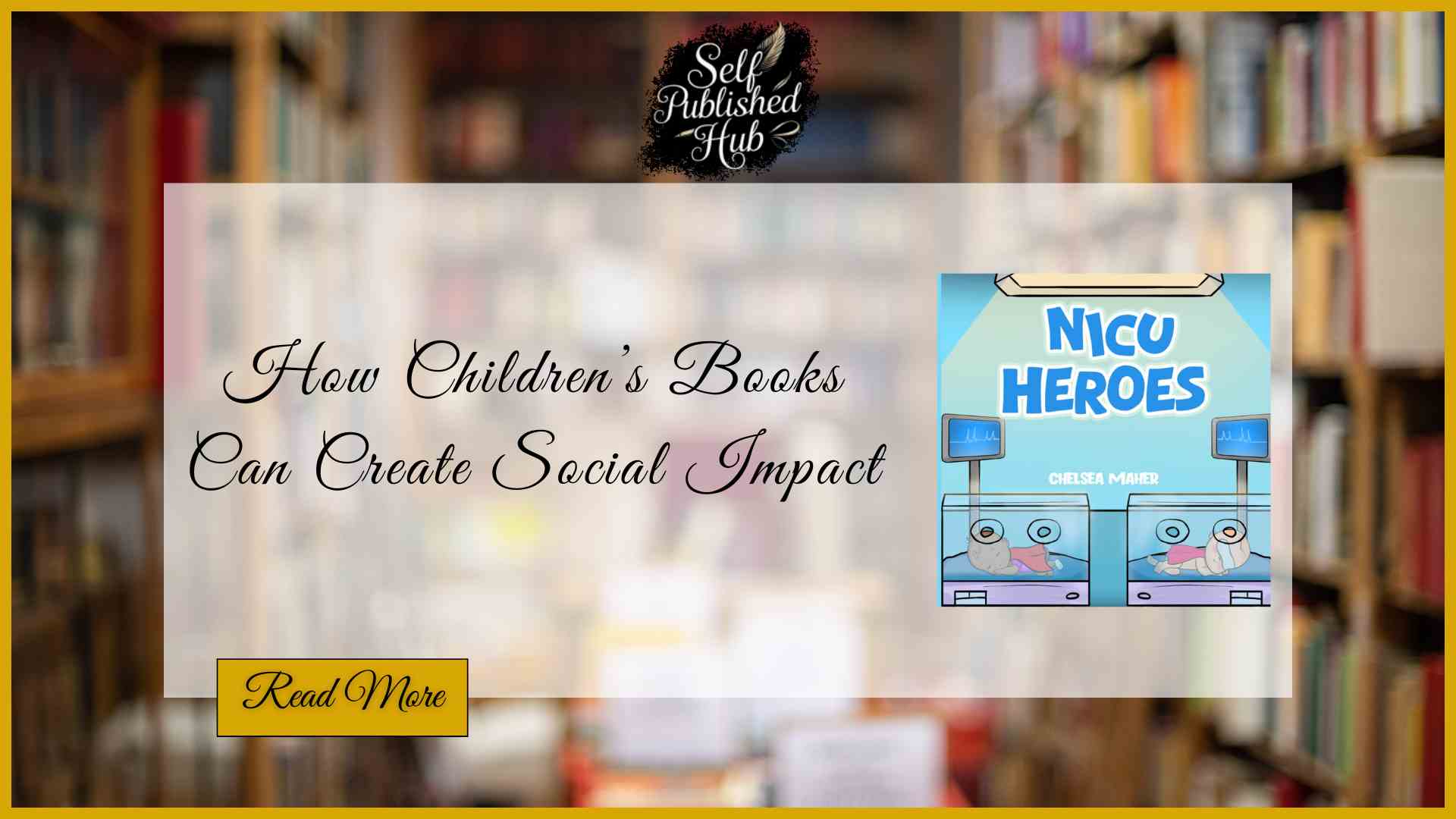
NICU Heroes by Chelsea Maher is a strong example of how storytelling can influence awareness and empathy. The book takes experiences from neonatal care and presents them through imaginative, uplifting characters. Instead of focusing on fear or limitation, it highlights resilience and strength. This approach allows children to engage with serious topics in a way that feels hopeful rather than overwhelming.
Social impact begins when stories challenge assumptions. In many cases, medical conditions or early life struggles are not openly discussed with young audiences. When they are introduced, they are often framed in ways that feel distant or difficult to grasp. By reshaping these narratives into something relatable, books like NICU Heroes make these experiences visible and understandable.
Another important aspect of impact lies in representation. When children see characters who reflect a wide range of experiences, they begin to understand that every story matters. For children who have faced medical challenges, this representation is especially meaningful. It allows them to see themselves not as different in a negative sense, but as individuals with unique strengths.
For those who have not had these experiences, such stories open the door to empathy. They learn that strength can take many forms and that courage is not always loud or obvious. This awareness influences how they interact with others, encouraging kindness and respect.
Parents and educators also play a role in extending this impact. When books are used as conversation starters, they create opportunities for deeper understanding. Questions can be explored, emotions can be addressed, and important topics can be introduced in a supportive environment. This shared engagement strengthens the message and makes it more lasting.
Children’s books that aim for social impact do not rely on complexity. Their power lies in clarity, emotion, and connection. A simple story, told with intention, can leave a lasting impression that shapes how a child sees the world.
NICU Heroes by Chelsea Maher demonstrates how a thoughtfully created book can do more than tell a story. It can raise awareness, build empathy, and inspire a more compassionate perspective. In doing so, it shows that even the simplest stories can contribute to meaningful social change.
Read this book, available on Amazon: https://www.amazon.com/dp/B0GP9G4QM2