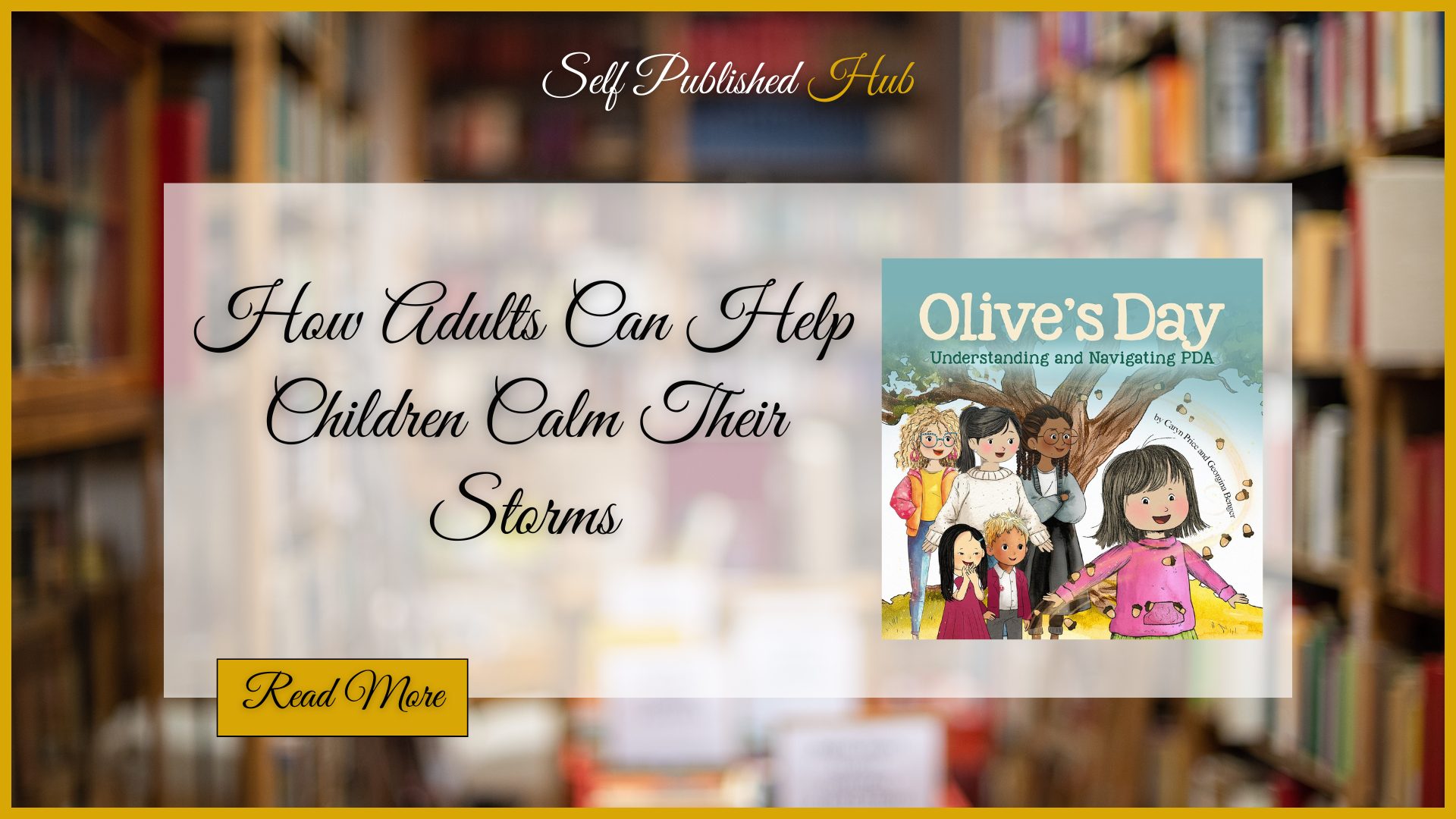
As adults, the most powerful thing we can do for an upset child is stay calm. For a child with Pathological Demand Avoidance (PDA), big feelings can come quickly and unexpectedly, turning an ordinary moment into what feels like an emotional storm. While it’s natural for adults to want to “fix” the situation immediately, Olive’s Day by Caryn Price and Georgina Benger shows us that the most effective support often comes from stable presence, patience, and empathy.
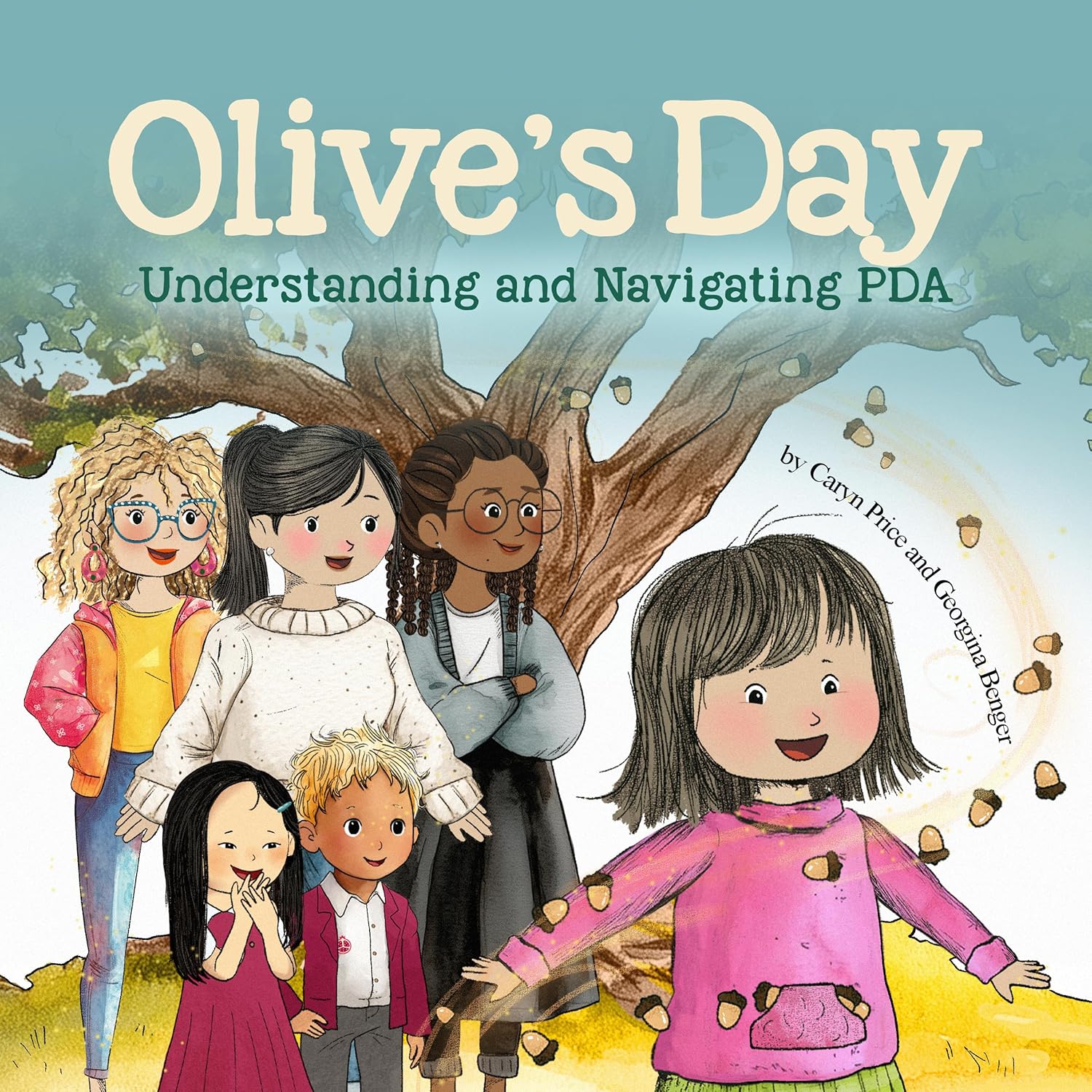
From the moment we meet Olive, we see that she is bright, creative, and full of life. However, we also learn how easily specific demands, even ones she might enjoy, can trigger strong feelings and anxiety. In the book, her mum, teachers, and friends each play a role in helping her navigate those moments, not by forcing her to obey but by meeting her where she is emotionally. This approach, using co-regulation, is one of the key lessons the story delivers.
Co-regulation means a child “borrows” a trusted adult’s calm, steady nervous system. When Olive feels a significant “NO” rising inside her, as she does when she’s told to get ready for school, her mum doesn’t respond with pressure. Instead, she invites Olive to turn the moment into a playful game, pretending they’re warriors putting on armour for the day. This slight shift turns what could have been a battle into a moment of connection, allowing Olive to control her emotions and move forward.
The beauty of this scene is in its simplicity. It shows that the adult’s role isn’t to reject the child’s feelings, but to provide a safe space for them to settle. By staying calm and flexible, Olive’s mum helps lower the emotional “temperature” of the moment.
At school, similar strategies come into play. Olive uses an “I need a break” card when the noise, bright lights, and fast guidelines in a classroom become overwhelming. Adult calmness and responsiveness can help children feel safe enough to re-engage. For example, her teacher respects this signal and gives her time to reset her nervous system. Her teacher also shows that understanding and respecting a child’s needs can prevent small moments of stress from growing into full-blown meltdowns.
Olive’s Dday is full of these gentle interventions. Whether it’s a friend adjusting a game to make it feel less like a demand or her family using photos of meals to avoid the overwhelm of decision-making at dinnertime, each example highlights the same core truth: when adults remain grounded and patient, they give children the space to calm themselves.
These moments highlight something important for parents, teachers, and caregivers: calm doesn’t mean detachment, nor is it about ignoring the child’s distress or hiding your emotions. It’s about showing them that, no matter how big their storm gets, you are the anchor they can hold onto. Desescalation and connection are the first steps toward helping them regulate and feel in control again.
Olive’s Day makes it all tangible for children and adults alike. Through Olive’s eyes, we see that storms will always happen, but with patient and understanding adults by their side, children can learn to navigate them and come out stronger.
Helping children calm their storms isn’t about finding the perfect words or solutions. It’s about being the steady, gentle presence they can trust, just as Olive’s mum, teacher, and friends are for her. And in a world that can feel overwhelming, that kind of calm is the most powerful gift we can give.
Grab your copy on Amazon: Olive’s Day: www.amazon.com/dp/B0FDX4GB7N/