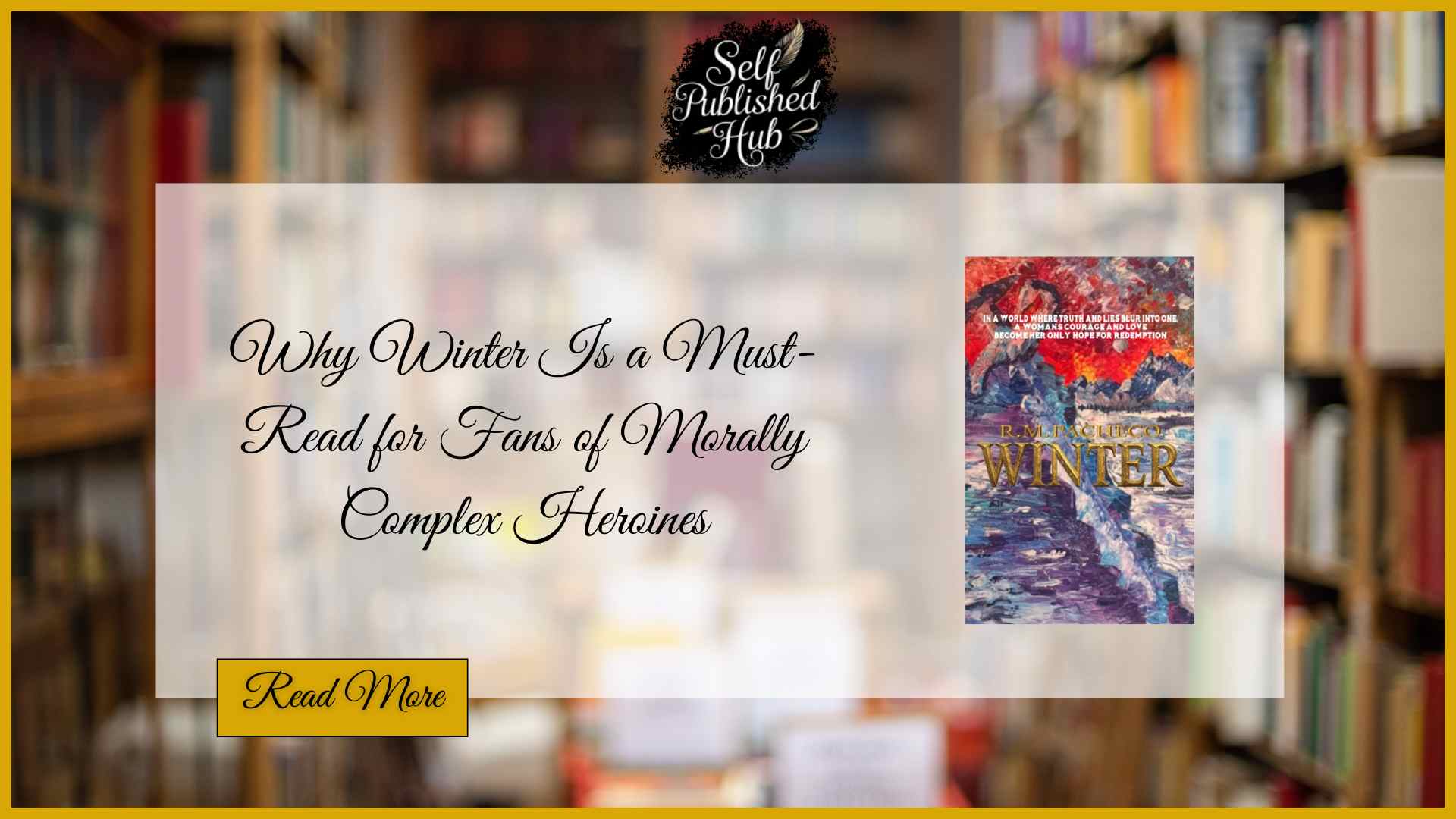
This historical fiction novel presents a raw and honest portrayal of a young woman living in a world where marriage is expected to bring safety and belonging, yet it becomes a place of fear, silence, and control. Throughout her life, readers witness how abuse does not begin with violence alone. It begins with small shifts in tone, repeated dismissals of her thoughts, and the slow erosion of her confidence until she begins to question her own judgment.
The main character begins with curiosity, strength, and a desire to learn healing skills to help others. She believes she can build a meaningful life through knowledge and care. However, her home life changes the way she sees herself. Harsh treatment and emotional pressure begin to shape her sense of identity. She starts to measure her worth through approval that never fully arrives. Over time, she begins to doubt her voice and question her choices even in simple matters.
Abuse in this story is not only physical. It is also emotional and psychological. It shows how fear can become routine and how silence can replace expression. The character learns to watch moods carefully, avoid conflict, and adapt her behavior to stay safe. This constant adjustment creates exhaustion that is not visible on the surface but deeply felt within.
One of the strongest themes in the novel is how abuse distorts memory and self perception. The character remembers moments of tenderness and love, and these memories make it harder for her to recognize the harm before her. This conflict creates confusion. She wonders if she is overreacting or misunderstanding the situation. This uncertainty becomes a barrier to leaving or speaking out.
The story also shows how shame develops in quiet ways. The character begins to believe she is responsible for the breakdown of her marriage. Instead of seeing abuse as a choice made by another person, she turns the blame inward. This internal blame becomes part of her daily thoughts, shaping how she moves through the world.
Yet the novel also carries a thread of resilience. The character seeks knowledge through herbal medicine, midwifery, and learning from older women who hold wisdom passed through generations. These moments represent her effort to reclaim identity and purpose. They show that even when a person feels lost, parts of the original self remain present.
The book does not offer simple answers. Instead, it presents the emotional reality of surviving in a time when women had limited power and few options. It asks readers to understand how deeply abuse can affect perception, not only actions. It also highlights how difficult it can be to recognize harm when it is mixed with dependency and hope.
Readers are drawn to this story because it reflects struggles that remain relevant today. Many still face relationships where control is disguised as care and silence is mistaken for peace. This novel draws attention to hidden experiences and gives voice to feelings often kept private.
At its core, this is a story about survival, identity, and the slow return of self belief after it has been worn down.
Get copy from amazon: https://www.amazon.com/dp/B0GHKW5LCV/