We often perceive “hacking” as something secretive, where shadowy figures hunched over glowing monitors, steal identities, break into government systems, or launch digital attacks. It’s an image shaped by headlines and Hollywood thrillers. But hacking is not always synonymous with crime. In modern times, it can also be an act of justice and may become a necessary step toward uncovering uncomfortable truths.
Technology has transformed our world. It controls our communication, finances, healthcare, education, and even our privacy. As we rely more on complex systems, the ethical questions surrounding technology grow equally complex. Who gets access to what data? What happens when encryption protects the guilty? And how do we balance privacy with public safety?
That’s where ethical hacking comes in.
Ethical hackers are known as white hats. They are professionals who use the same skills as cybercriminals for doing good deeds. For example, they test systems for weaknesses before someone with malicious intent can find them. They expose vulnerabilities that could put lives or businesses at risk. In many cases, ethical hacking is the difference between a secure system and a massive breach.
But what about situations that aren’t so clear? What if a programmer discovers something illegal, say, encrypted files hiding evidence of exploitation? Then, perhaps the only way to investigate is by accessing private systems.
But, what if doing the right thing breaks the law? What if hacking becomes the only path to justice?
This is where fiction can offer insight. When done well, fiction creates stories that reflect real-world dilemmas, forcing us to confront our own values.
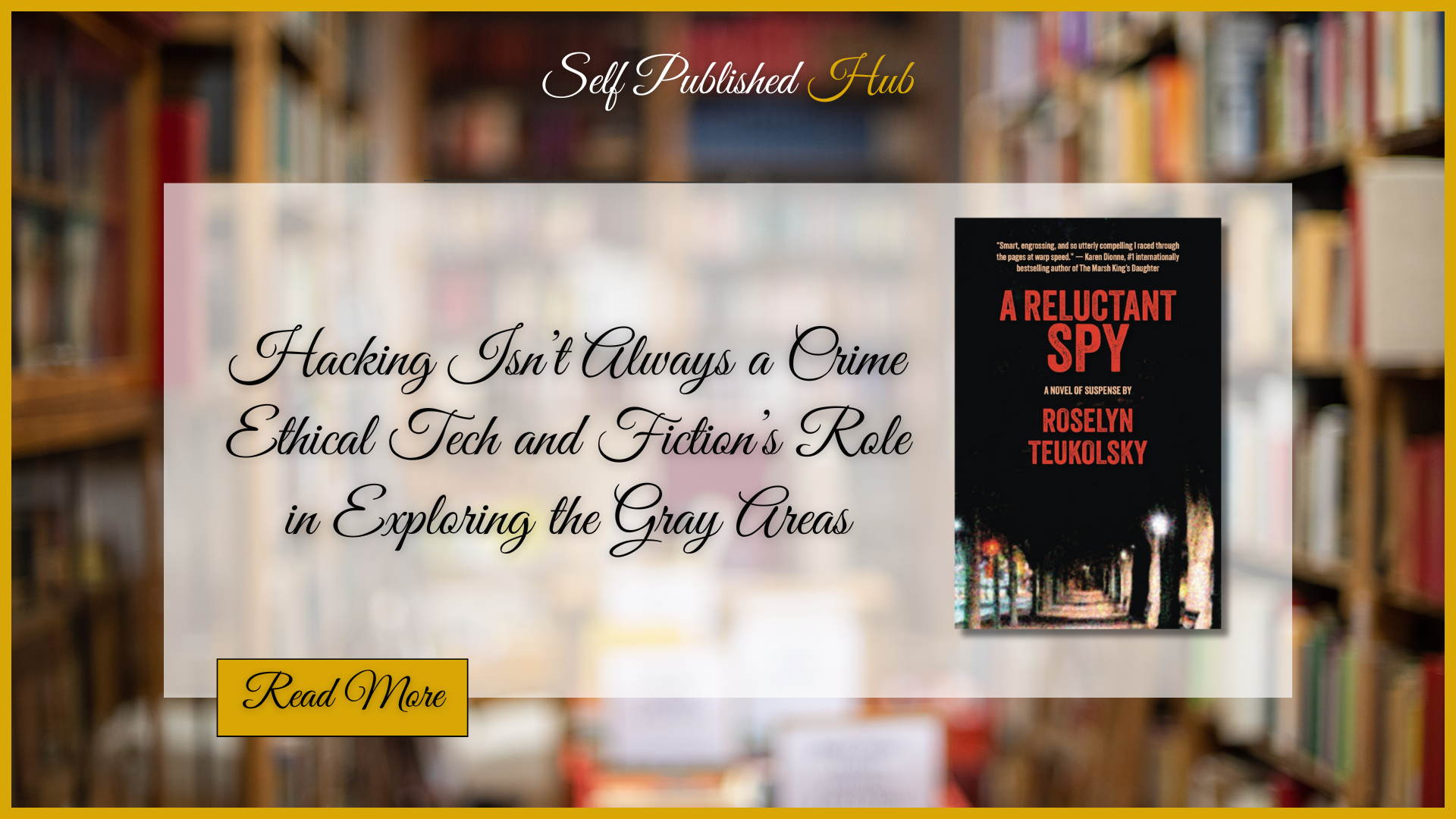
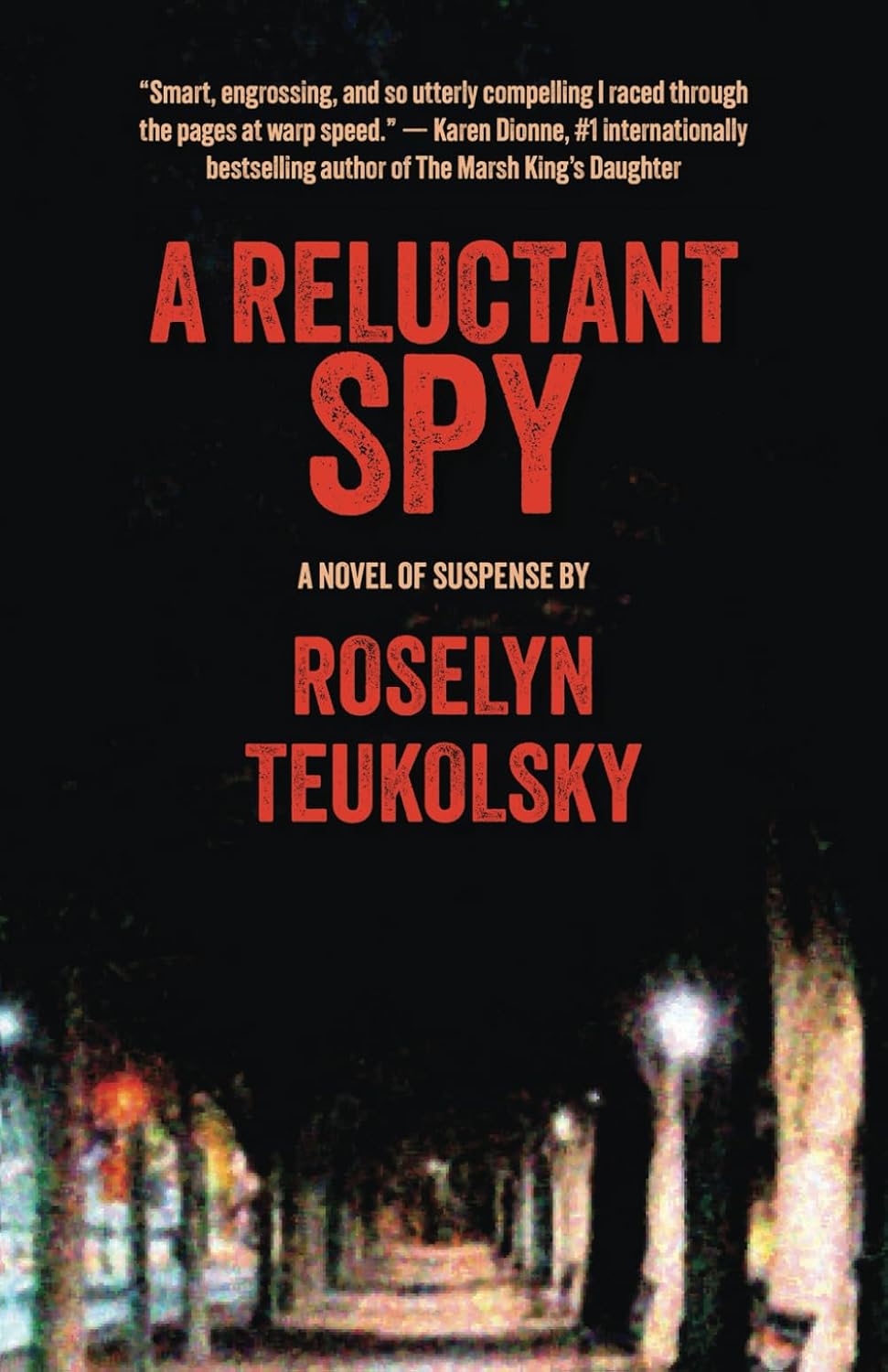
A great example of this kind of story is A Reluctant Spy by Roselyn Teukolsky.
Set within an elite university’s computer science department, the novel follows Madeline Geiger, a brilliant yet introverted researcher who is drawn into an FBI investigation after her husband’s suspicious death. She’s not a trained operative. She’s not even a willing participant. But when authorities ask her to dig into her department’s systems to uncover the source of illegal encryption software, she finds herself in an ethical minefield. She’s hacking into colleagues’ computers. She’s tracking hidden programs. She’s risking her reputation—and maybe her life.
The novel’s power lies in its moral complexity, as Madeline is doing something that feels wrong but serves a greater good. The story explores how easy it is to cross the line from ethical to unethical, and how difficult it is to stay grounded when you’re surrounded by secrets.
Fiction like A Reluctant Spy challenges readers to think. It doesn’t spoon-feed answers. Instead, it reflects the murky nature of real-life tech ethics. It’s not just about heroes and villains. It’s about decisions made in the fog of fear, love, and loyalty.
As our digital world grows more tangled, we need stories like this. They don’t just entertain. They give us the vocabulary and scenarios to discuss what ethical technology really means.
So the next time someone says hacking is always a crime, remember that the truth is rarely so simple.
If you’re looking for a smart, suspenseful novel that dives deep into the ethical gray zones of technology, academia, and personal responsibility, A Reluctant Spy is an absolute must-read.
Order your copy NOW: https://www.amazon.com/dp/1967036004/.