Most people picture Viking exploration as a story of open seas and distant coastlines. Longships cutting through Atlantic waves have become the defining image of Norse travel. However, this familiar view leaves out an important question. What happened after the Vikings reached land? Did they simply stop at the shore, or did they move farther inland using the natural routes before them?
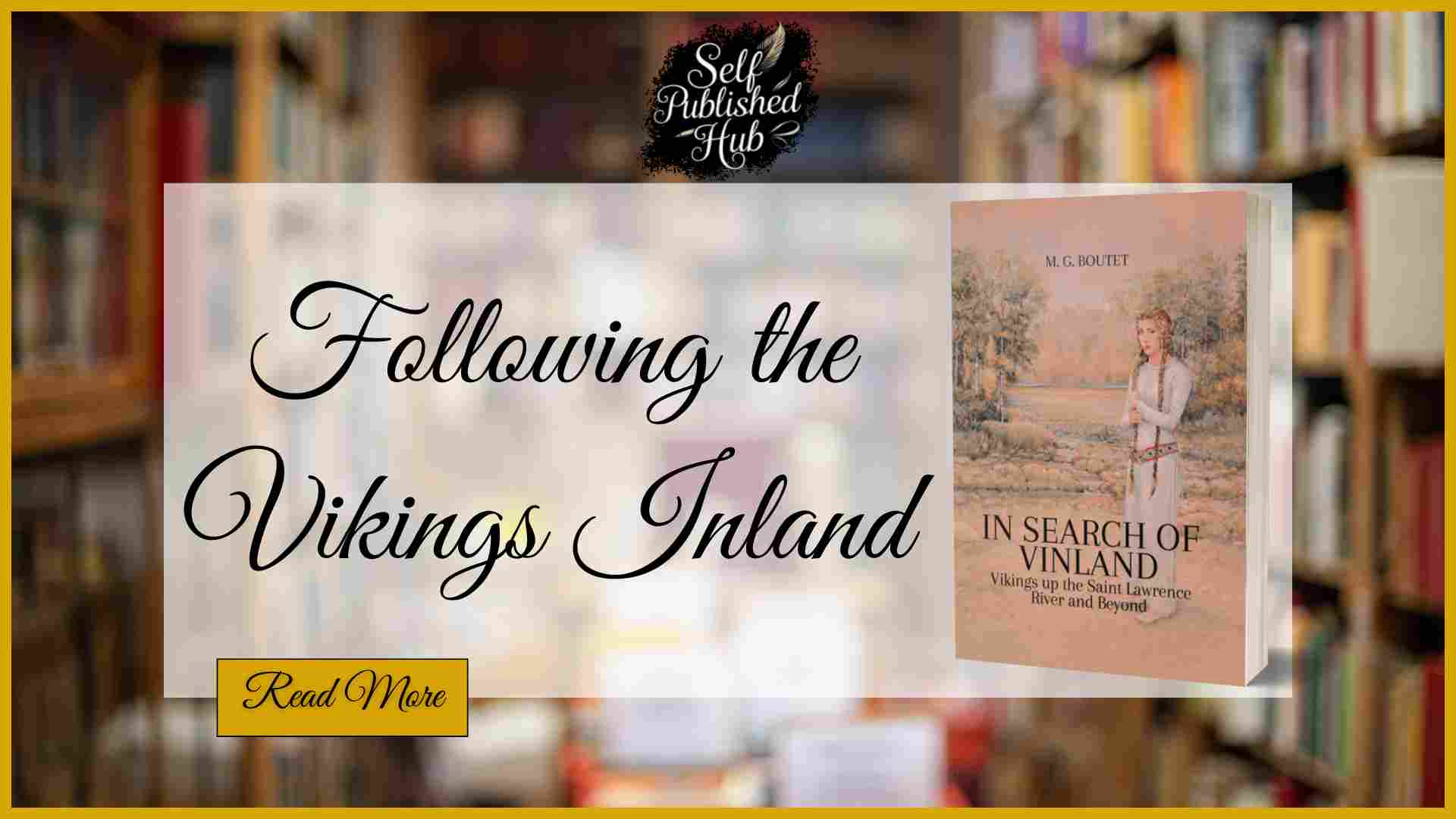
Once the Vikings reached North America, rivers would have offered clear and practical paths for exploration. Among these, the Saint Lawrence River stands out. It is wide, navigable, and stretches deep into the continent. In In Search of Vinland: Vikings up the Saint Lawrence River and Beyond, author M. G. Boutet explores the idea that this river may have served as a natural highway for Norse explorers rather than a boundary they never crossed.
Vikings were not strangers to river travel. In Scandinavia and Eastern Europe, they regularly used rivers to trade, explore, and settle. The Volga and Dnieper rivers connected the Baltic Sea to the Black Sea and beyond. These journeys required portaging, shallow draft vessels, and strong navigation skills. All of these were well within Viking capabilities. The same methods could have been applied in North America.
The Saint Lawrence River would have been especially appealing. Its broad estuary allows easy entry from the Atlantic, and its course leads toward fertile lands and abundant resources. For explorers seeking timber, game, and trade opportunities, continuing inland would have made sense. It aligns with saga descriptions that suggest travel beyond initial landfalls rather than brief coastal visits.
Geography also supports this idea. The river connects to a network of lakes and tributaries that open access to vast regions. Even limited exploration upriver could have exposed the Vikings to new environments and peoples. Boutet examines how such movement fits with the known behavior of Norse explorers, who were known to test boundaries rather than remain stationary.
There are also historical accounts worth considering. Indigenous oral traditions from areas along major waterways sometimes speak of early encounters with outsiders arriving by boat. While these accounts do not provide direct proof, they add context to the idea that inland travel occurred. Combined with archaeological findings that remain debated, they suggest that exploration may not have been confined to a single coastal site.
Climate and resources offer further clues. Coastal Newfoundland provided limited agricultural opportunities. Inland regions along major rivers offered more diverse environments. If the Vikings sought sustainable seasonal camps or trade routes, moving inland would have been a practical choice rather than a reckless one.
Following the Vikings inland does not require abandoning established discoveries. L’Anse aux Meadows remains a vital piece of the story. However, viewing it as a starting point rather than an endpoint allows for a fuller understanding of Norse exploration. Rivers were tools, not obstacles, and the Saint Lawrence River fits well within the Viking tradition of travel and adaptation.
For readers interested in exploring this perspective in greater detail, In Search of Vinland: Vikings up the Saint Lawrence River and Beyond by M. G. Boutet offers a careful examination of how inland waterways may reshape our understanding of Viking movement in North America.
This book is available on Amazon. Read now: https://www.amazon.com/dp/B0FR9LSJZL/.