Many people believe peace will arrive once life finally settles down. They wait for fewer responsibilities, better relationships, improved health, or more money. Peace becomes something placed in the future, tied to conditions that must first improve. However, this way of thinking often leads to frustration, because life rarely pauses long enough to meet our expectations. The search for peace outside ourselves can quietly become a never ending chase.
The Habit of Waiting for Life to Improve
It is natural to think that peace depends on circumstances. When work feels overwhelming, we imagine peace will come with a new job. When relationships feel tense, we believe peace will return once others change. This habit keeps attention focused outward and creates the belief that peace is fragile.
The problem with this approach is simple. External situations are always changing. Even when one issue is resolved, another often takes its place. Peace that depends on perfect conditions is therefore unstable.
Awareness as the Source of Peace
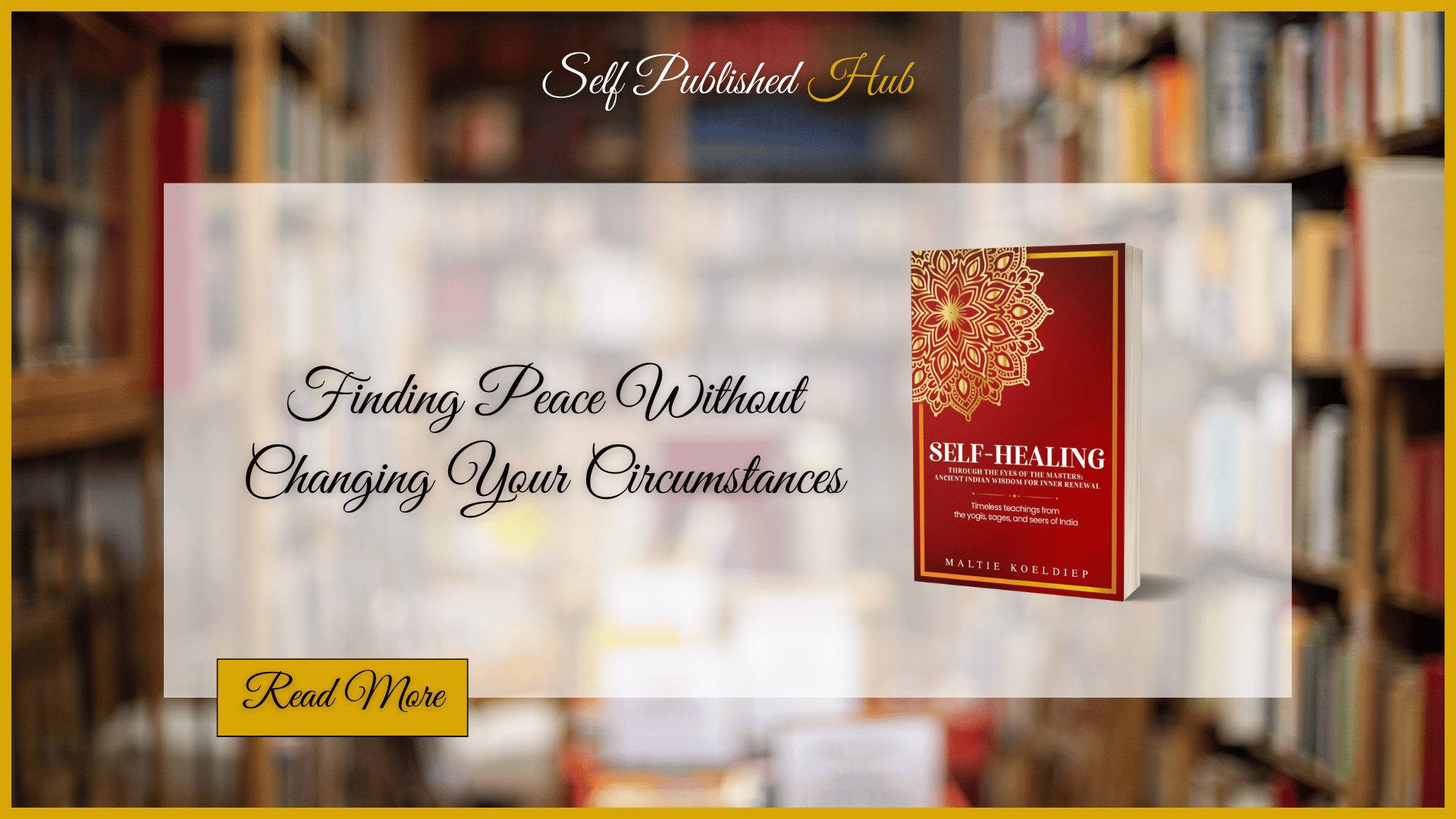
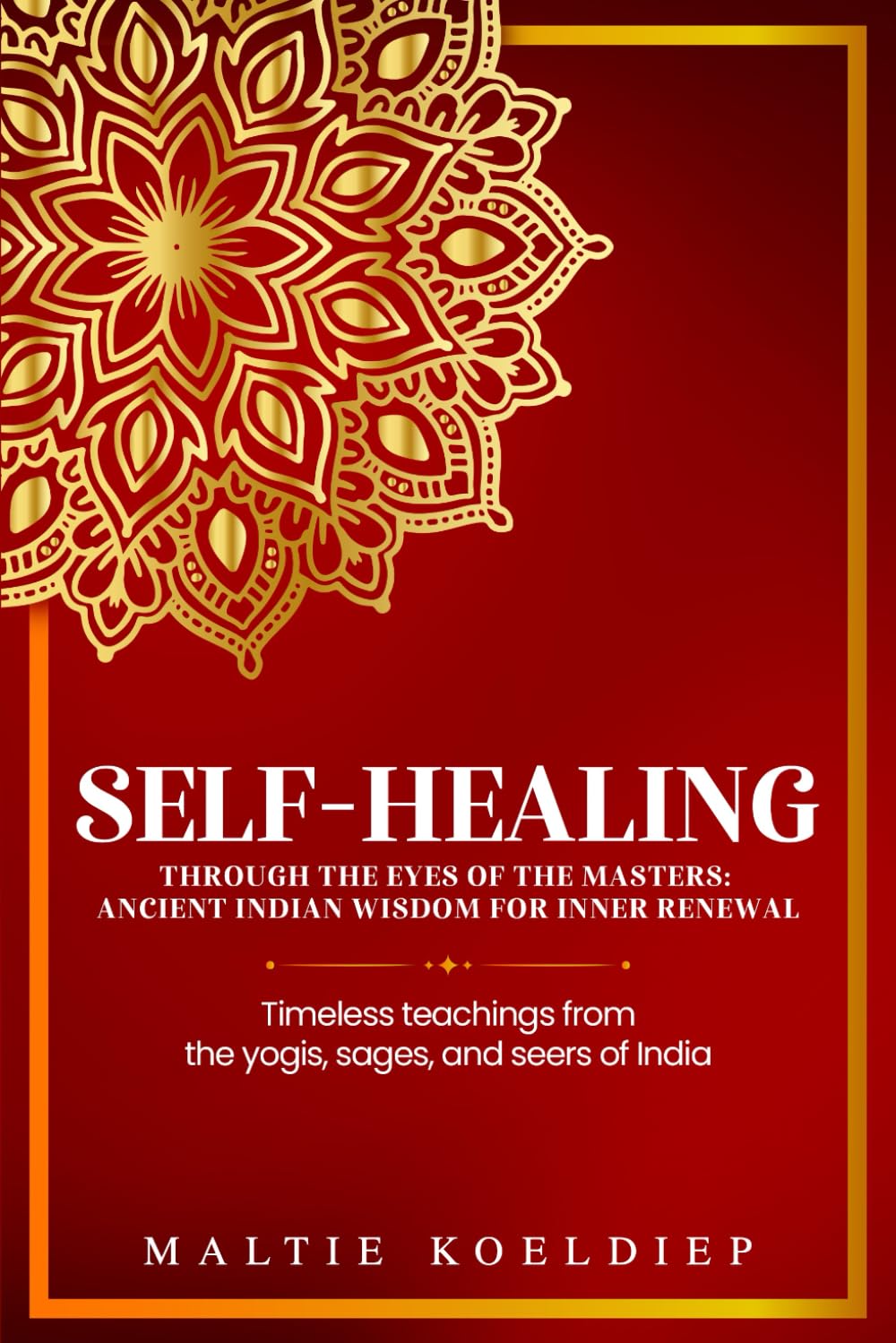
A different perspective is offered in Self Healing Through the Eyes of the Masters by Maltie Koeldiep. The book reflects ancient wisdom that teaches peace does not come from controlling life, but from understanding it. When awareness is present, the mind stops fighting reality, and peace becomes possible even in imperfect moments.
It does not mean ignoring problems or avoiding responsibility. It means recognizing that inner calm does not need permission from outer events. Awareness allows you to experience what is happening without adding extra fear, resistance, or judgment.
Everyday Examples of Inner Peace
Consider a traffic jam during a busy morning. Without awareness, irritation grows quickly. Thoughts rush ahead to missed meetings and wasted time. With awareness, you still notice the delay, but you also become aware of your breath, your body, and the tension building in your shoulders. The situation remains the same, but your relationship to it changes.
Another example might be a difficult conversation with a family member. You may not be able to change their behaviour or alter their opinions. Reflecting on the book’s message that peace comes from awareness, not control of external situations, you focus instead on listening, breathing, and staying present. This awareness softens emotional reactions and reduces inner conflict.
Letting Go of the Need to Fix Everything
Many people confuse peace with giving up. In truth, peace grows when the urge to control every outcome loosens. When the mind stops demanding that life follow a specific plan, it becomes more flexible and resilient.
In the book, this idea appears repeatedly through teachings on mindfulness, self-inquiry, and inner observation. Awareness helps you recognize that discomfort often stems from resistance rather than the circumstances themselves. When resistance fades, clarity and calm naturally follow.
Peace as a Daily Practice
Peace is not a reward for a problem free life. It is a skill that develops through attention and patience. Small moments of awareness throughout the day build inner steadiness over time. This steadiness remains even when life feels uncertain.
This book gently reminds readers that peace is already present beneath thoughts, emotions, and situations. It does not need to be created; it only needs to be recognized.
For those seeking calm without waiting for life to change, Self Healing Through the Eyes of the Masters by Maltie Koeldiep offers a thoughtful and grounded path worth exploring.
Grab your copies from Amazon: https://www.amazon.com/dp/1971228133/.