Fear is often misunderstood as something to eliminate. People chase comfort, distraction, and reassurance in the hope that fear will fade. They fill their days with noise, activity, and explanation, believing that staying busy will keep fear at a distance.
But fear does not disappear when ignored. It changes appearance.
Avoided fear becomes anxiety. Suppressed fear becomes tension. Unacknowledged fear becomes control. When fear is pushed aside instead of examined, it begins to influence decisions quietly. It shows up as irritability, avoidance, overplanning, or the need to overpower situations that feel uncertain.
Facing fear does not mean confronting it loudly or dramatically. Often, it means sitting with it quietly and refusing to let it dictate attention. It means noticing fear without immediately trying to fix it or escape it. That stillness can feel unbearable at first, especially in a culture that values constant movement.
This distinction matters. Escaping fear feels productive. It looks like moving forward. There is motion, effort, and visible action. Facing fear feels slow and uncomfortable. It offers no quick reward and no immediate sense of achievement. That is why many people mistake avoidance for strength.
Stories that deal with darkness often make this difference clear. The most dangerous characters are rarely the most afraid. They are the most distracted. Fear acknowledged can create judgment. Fear ignored disrupts it.
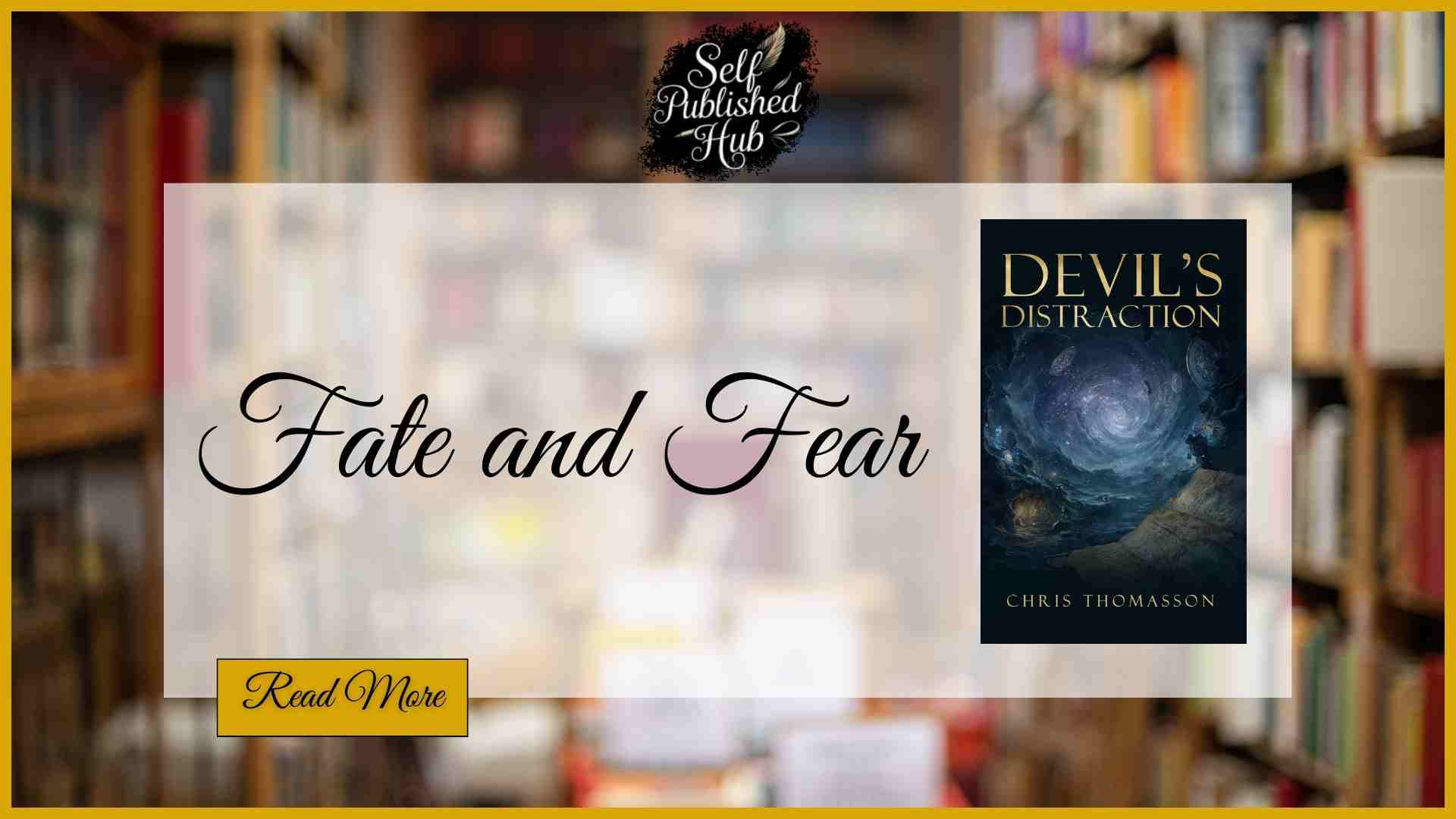
In Devil’s Distraction, fear is present throughout the story, but it is not the central threat. The real danger comes from avoiding it. From focusing on anything else rather than confronting what must be faced, we see characters who refuse to look directly at fear give it space to grow unchecked. Those who acknowledge it, even reluctantly, gain clarity. The story suggests that fear itself is not destructive. What becomes destructive is the refusal to engage with it honestly. Fear becomes harmful when it drives distraction, delay, and denial. If you love stories that explore the crux of fear in a new dimension, keeping up with the suspense, thrill, and so much more than you can ask, this book will keep you glued to your seats.
This reflects a truth people recognize instinctively in their own lives. Growth does not come from comfort. It comes from attention directed toward what is difficult. Facing fear does not guarantee a positive outcome, but it prevents fear from quietly controlling behavior.
Fear can serve a purpose. It can signal risk, highlight what matters, and sharpen awareness. When acknowledged, fear encourages caution. It invites preparation rather than panic. When ignored, it erodes awareness and pushes people toward extremes.
Facing fear also requires honesty. Honesty about limits. Honesty about vulnerability. Honesty about what cannot be controlled. That honesty can feel heavier than fear itself, but it creates grounding rather than tension.
Facing fear does not mean being fearless. It means recognizing fear as part of being human and choosing not to run from it. It means allowing fear to exist without letting it decide everything.
And honesty, like attention, carries weight. It asks for patience. It asks for restraint. It asks for presence.
In the end, the difference between escaping fear and facing it is the difference between reaction and choice. One avoids discomfort. The other creates understanding.
Available on Amazon: https://www.amazon.com/Devils-Distraction-Chris-Thomasson-ebook/dp/B0G22H9S8X/