China’s economic power did not grow overnight, and it did not grow loudly. Beijing’s success is built on patience, subtlety, and a careful control of global perception. While many Western nations operate through open debate and shifting public opinion, China works quietly behind the scenes, avoiding unnecessary attention while advancing its long‑term goals. This caution is not weakness. It is a strategy.
Beijing understands that public opinion in the West is powerful. If Western consumers or governments were to see China’s rise as a threat, they might reduce imports, limit investment, or push for stricter trade terms. To avoid this, China remains discreet. It prefers to appear cooperative, friendly, and business‑minded. In doing so, it ensures that its trade advantage continues year after year, largely unchallenged.
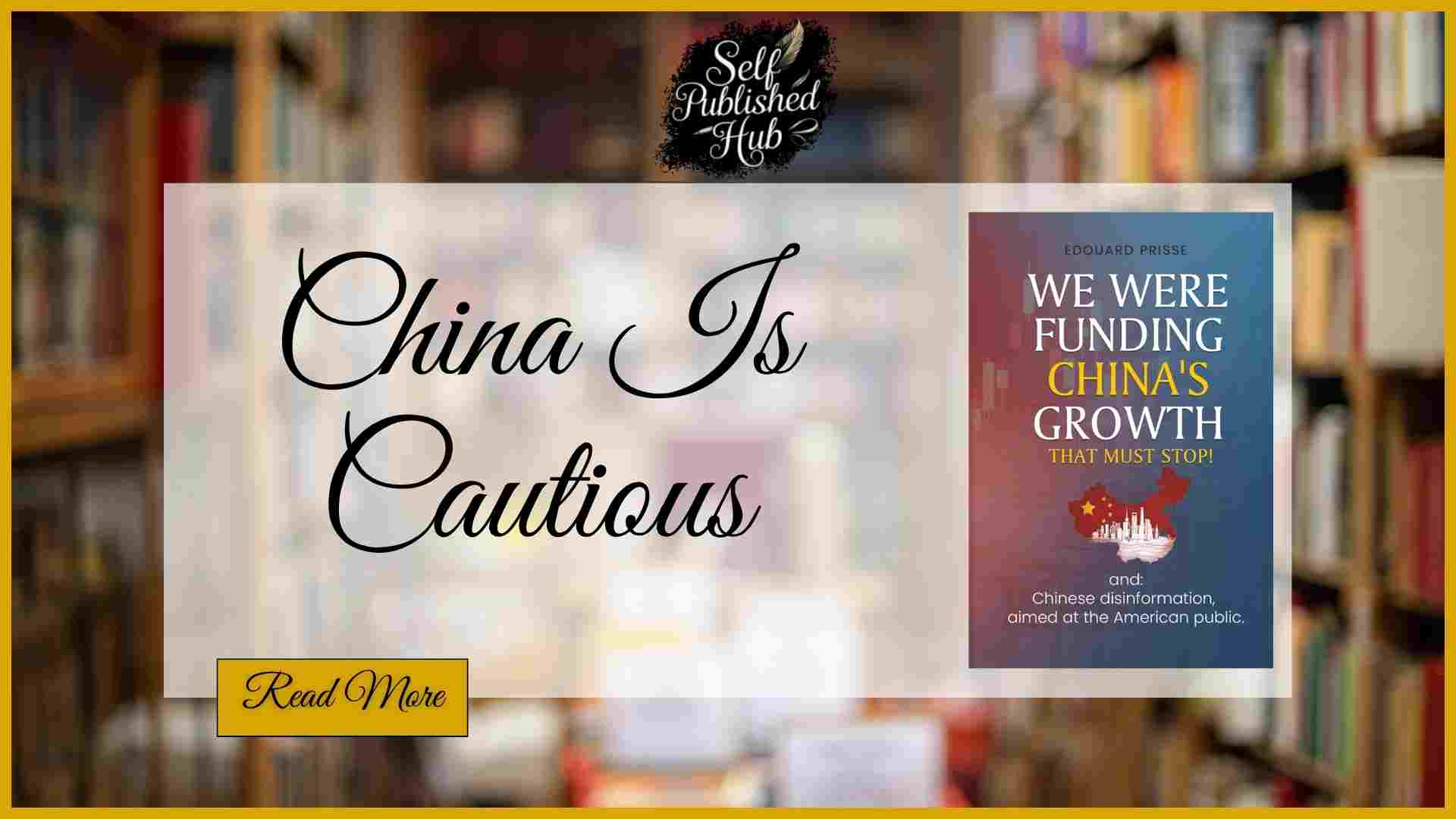
Edouard Prisse points to this in his book We Are Funding China’s Growth That Must Stop!. He explains that China has long understood the importance of image. The country’s leaders are careful not to alarm or provoke. They have learned that their best weapon is not confrontation but persuasion.
A clear example came two decades ago, when the World Trade Organization was preparing to admit China as a member. One of the final demands made by the WTO was that China allow its currency, the Renminbi, to float freely. This was a reasonable request. Letting the currency adjust to market value would have balanced trade and prevented the kind of long‑term surpluses China enjoys today. But instead of agreeing, Beijing launched an extraordinary public relations effort.
China’s officials began presenting themselves as misunderstood reformers, ready to contribute to global growth. European leaders, attracted by potential profits, quickly gave in. German Chancellor Gerhard Schröder dismissed the demand for a floating currency, hoping to sell more cars in China. French President Jacques Chirac followed the same path, despite lacking economic understanding. This left only the United States and the United Kingdom pressing for fair currency policy. Then came 9/11, the Iraq War, and a distracted White House. China seized the moment, and Washington gave up the fight. Beijing got exactly what it wanted.
This was not luck. It was skillful diplomacy supported by image management. Beijing portrayed itself as a cooperative partner unfairly judged by Western powers. The result was a lasting economic advantage. The world accepted China as a major trading partner without the safeguards that would have ensured balance.
Prisse notes that this pattern continues today. China’s leaders speak the language of cooperation but act in the interest of dominance. For example, when President Xi Jinping addressed the World Economic Forum in Davos in 2017, his speech was praised by Western media as a defense of free trade. The tone was calm and optimistic, but the message served China’s agenda. It called for open markets while quietly implying that China should remain the chief beneficiary of that openness. Yet most newspapers failed to see it. Even respected outlets like The Washington Post and Le Monde praised the speech without recognizing its true intent.
China’s caution is not cowardice. It is confidence. By moving slowly and avoiding confrontation, Beijing keeps public criticism low while strengthening its position. It uses words like “partnership” and “mutual growth” while tightening control over industries, technology, and finance. The Western response has been admiration instead of alarm.
Prisse argues that this caution makes China more dangerous. A bold aggressor can be stopped. A quiet manipulator can move undetected. It is only recently that public opinion in the West has begun to turn. People are finally asking questions about supply chains, trade deficits, and Chinese investments. But awareness came late, after decades of advantage already gained.
Understanding this strategy is vital, as Beijing’s silence is not indifference. And until we see through it, we will continue funding a system that quietly erodes our economic independence.
Read We Are Funding China’s Growth That Must Stop! to learn how a subtle strategy and smart communication helped China gain an edge, and how we can still respond before it becomes permanent.
Here is a link to purchase: www.amazon.com/dp/1967963053.