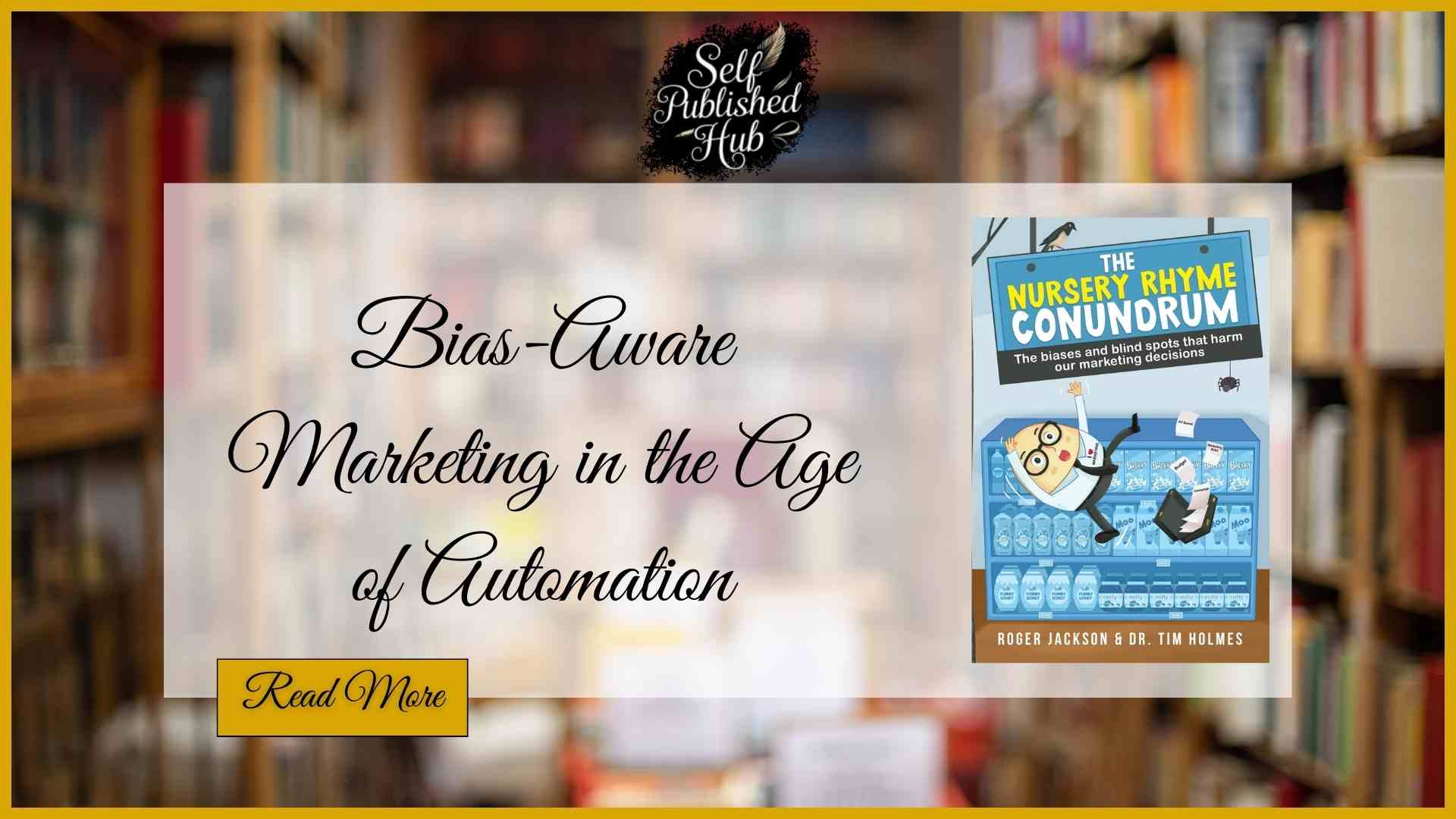
As artificial intelligence becomes part of everyday marketing, many teams expect it to solve long-standing problems in communication, decision-making, and creative development. However, there is a risk that marketers overlook. AI does not remove human bias. In many cases, it can amplify it. When the instructions, inputs, and judgments that guide these systems come from people with their own cognitive blind spots, those same blind spots can spread through automated decisions at a much larger scale. The book The Nursery Rhyme Conundrum by Roger Jackson and Dr. Tim Holmes offers insight into why this happens and why marketers must understand their own thinking before expecting AI to think clearly for them.
When Human Bias Sneaks Into Machine Logic
AI tools process data at remarkable speed, but they rely on the information and direction we give them. If a marketer unknowingly brings bias into the brief, the system will repeat it. If a team chooses the wrong signals during targeting, the AI will optimise based on those signals without questioning them. It becomes dangerous when decisions are shaped by shortcuts the brain uses to save time and effort.
The book explains how people often rely on familiar patterns, simplified judgments, and quick assumptions. These habits help us get through busy days, but they distort our view of what customers truly need or understand. When those same distorted views guide machine learning systems, entire campaigns can drift in the wrong direction.
Examples of Bias Hidden Inside AI-Driven Marketing
A common example can be seen in copy generation. A team might guide an AI tool with prompts based on assumptions they believe represent customer priorities. If those assumptions come from internal discussions rather than real audience insight, the output may reinforce messages that sound right internally but do not resonate externally. The AI is not at fault. It is simply echoing the perspective it was taught.
Targeting tools can also reveal this problem. If marketers assume one audience segment is more valuable because it is easier to picture, the system may overtarget that group and ignore others with equal or greater potential. What started as a small mental shortcut turns into a skewed campaign strategy.
Automation Does Not Replace Critical Judgment
The book highlights the need for marketers to slow down and recognise how their own thinking shapes their decisions. It is even more important when using tools that scale those decisions automatically. If a creative team holds a narrow view of what a strong idea looks like, the system may continue to produce similar ideas, thereby trapping the brand within a limited creative range.
Instead, leaders must first understand their own patterns. Only then can they develop AI workflows that foster broader thinking, more thorough testing, and more transparent communication.
Making AI More Aware Through Better Human Input
To improve effectiveness, marketers must treat AI as a partner that needs clear, unbiased guidance. It involves verifying assumptions, validating insights with real audience feedback, and reviewing outputs with the same critical thinking applied to any creative or strategic process. When teams understand their own tendencies and correct them early, AI can produce work that is more balanced, more relevant, and more aligned with customer reality.
For anyone working at the intersection of marketing, neuroscience, and automation, The Nursery Rhyme Conundrum by Roger Jackson and Dr. Tim Holmes is a valuable resource that explains how human thinking shapes every message, tool, and decision.
Grab your copies from Amazon: https://www.amazon.com/dp/1970749032/.
Here is the full podcast where the author dives deeper into the message of the book:
Spotify link: https://open.spotify.com/episode/2LwnCYYPNYOEOIZ51UEuVr?si=yC2xIf0QQja18gztiBw0_w
Apple link: https://podcasts.apple.com/gb/podcast/new-marketing-podcast-available-3-3-26/id1879799244?i=1000751205875