Luxury hospitality has never suffered from a shortage of performance metrics.
Occupancy. ADR. RevPAR. GOPPAR. Guest satisfaction scores. Audit results. Labour costs. Restaurant covers. Spa utilisation.
These measures are indispensable. They help leaders understand whether a hotel is commercially successful, operationally disciplined and consistently delivering on brand standards.
According to Pierre Barthes, however, they leave one essential question unanswered:
How did the guest actually feel?
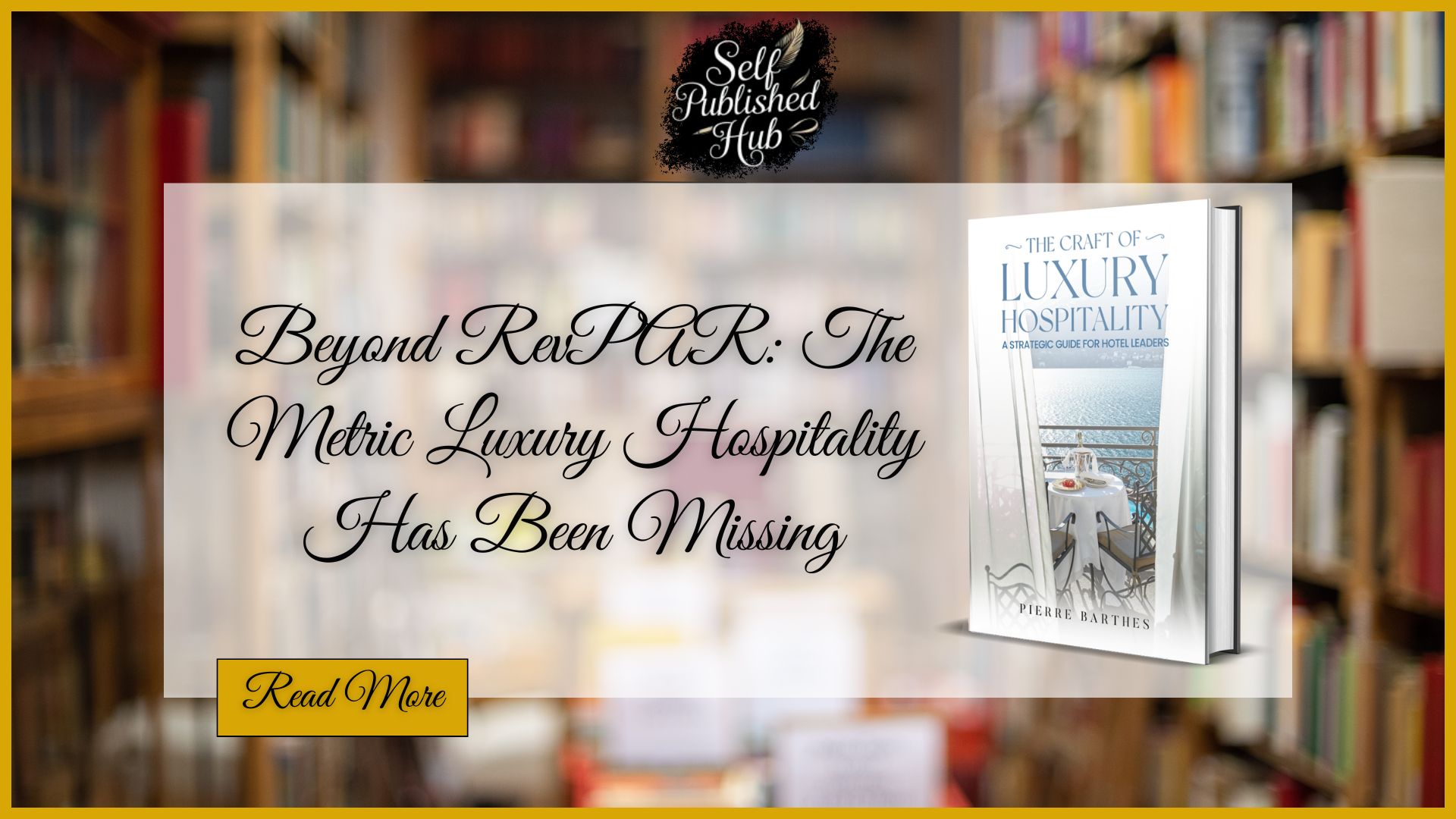
This question lies at the heart of The Craft of Luxury Hospitality: A Strategic Guide for Hotel Leaders, where Barthes argues that operational excellence alone cannot define luxury hospitality. A hotel may achieve exceptional audit scores, execute every standard flawlessly and still leave a guest emotionally unmoved.
That observation led Barthes to develop the Dual Excellence Index (DEI), a framework that evaluates both technical execution and emotional intelligence as equally essential dimensions of luxury hospitality.
The Problem With Measuring Only What We Can See
Traditional hotel metrics answer important operational questions.
Was the room prepared correctly?
Was check-in completed according to procedure?
Was service delivered within the required timeframe?
These measures are valuable, but they do not necessarily reveal whether guests felt welcomed, recognised, understood or genuinely cared for.
Two employees may follow exactly the same service procedure while creating entirely different experiences.
One interaction feels scripted.
The other feels personal.
The operational steps may be identical.
The emotional outcome is not.
That distinction matters enormously in luxury hospitality, where guests increasingly expect more than flawless execution. They expect authentic human connection.
Introducing the Dual Excellence Index
The Dual Excellence Index was developed to bring these two dimensions of hospitality together.
It evaluates Technical Compliance alongside Emotional Intelligence, recognising that true luxury requires excellence in both.
DEI = (Technical Compliance % + Emotional Intelligence %) ÷ 2
The value of the framework lies not in the calculation itself, but in the leadership conversations it inspires.
A hotel cannot claim true excellence simply because procedures are followed perfectly.
Nor can warmth and personality compensate indefinitely for inconsistent operations.
Luxury requires both.
The room must be right.
The welcome must feel right.
The meal must be technically excellent.
The service must feel attentive rather than mechanical.
The complaint must be resolved.
The guest must also feel genuinely understood.
From Compliance to Experience
The DEI framework encourages leaders to move beyond measuring whether standards have been completed and begin evaluating whether those standards create the intended guest experience.
This shift influences recruitment, training, coaching, performance reviews, mystery shopping, guest feedback and leadership priorities.
It also reinforces one of Barthes’ central beliefs: emotional intelligence should not be regarded as a soft skill.
In luxury hospitality, it fundamentally shapes how operational excellence is experienced by the guest.
The Dashboard Luxury Leaders Need
RevPAR will remain indispensable.
Profitability will remain indispensable.
Standards, audits and productivity will remain indispensable.
Yet none of these metrics fully explains why one hotel becomes unforgettable while another, equally impressive property, becomes merely satisfactory.
According to Barthes, the answer lies in measuring not only what teams execute, but what guests experience.
The Dual Excellence Index provides a practical framework for bringing those two perspectives together.
For the next generation of hotel leaders, perhaps the most important performance question is no longer simply:
Did we deliver the standard?
It is:
Did the guest feel the difference?
Because in luxury hospitality, the ultimate measure of excellence is not simply whether service was delivered correctly.
It is whether the guest experienced it meaningfully.