For many young people, play is the only thing that makes the world make sense. It’s how they learn to communicate, explore, and grow. When it comes to teaching music, why should it be different? Learning through play is not only enjoyable, it’s also one of the most productive ways to build deep understanding and emotional connection with music.
Whether a child is bashing on a drum, singing a silly song, or exploring the black keys on a keyboard, that play is rich with educational potential.
Integrating play into music learning is so powerful because when children are encouraged to explore sound in a playful environment, they naturally become curious. They ask questions like: What happens if I press this key? What if I go faster? Can I make a song from this rhythm?
This curiosity leads children to motivation. Rather than feeling like they have to practice, children want to return to the piano or keyboard. They feel in possession of their learning experience.
Many studies show that playing music helps develop critical intellectual skills. Rhythm games improve timing and sequencing, improvised way build problem-solving skills, and composing helps children organise thoughts and emotions. When kids playfully engage with music, the left and right sides of the brain are activated.
Children may not always have the words to express how they feel, but through musical play, they can communicate joy, sadness, excitement, or calm. Play-based music activities provide a safe channel for feelings and help emotional development and intelligence.
Whether it’s an improvised way of a melody or choosing the dynamics of a song, children learn to make expressive choices that reflect their sense of humour.
When children are enjoying themselves, they’re more likely to retain what they learn. Musical concepts taught through games, storytelling, movement, or creative play are easier to remember for children than abstract instruction. This approach helps children internalise rhythm, pitch, and harmony naturally, without feeling like they’re being tested.
Through musical play, children gain confidence not just in their musical ability, but in their ideas. Being invited to create their rhythms, melodies, or interpretations shows them that their voice matters. They develop joy in their musical identity, and that joy extends into other areas of life.
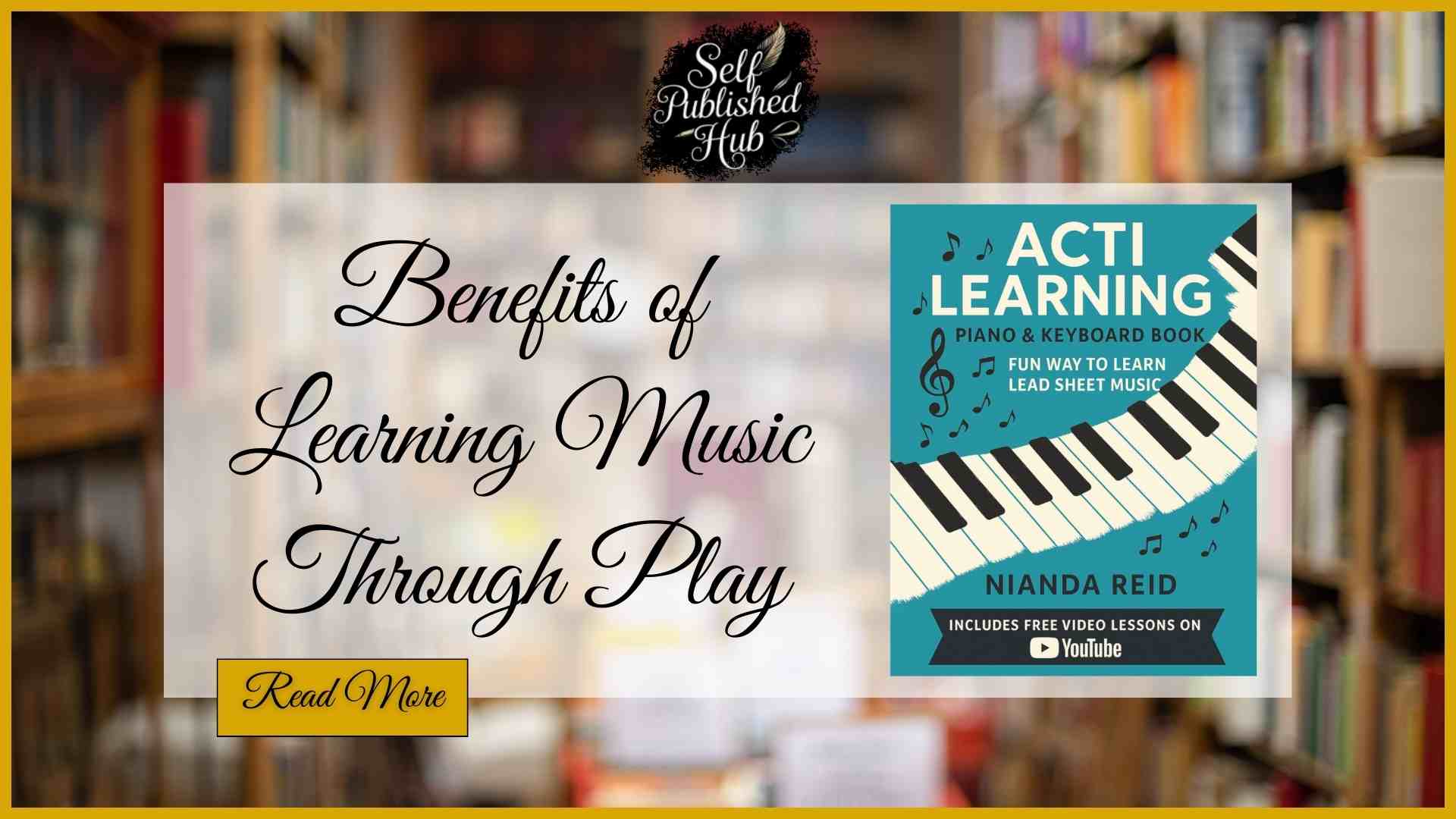
For families, teachers, and schools looking to introduce music in a fun, engaging, and educational way, Acti Learning Music: Piano & Keyboard Book 1 offers the perfect balance. With lessons focused on play, exploration, and creativity, it’s a method that helps children fall in love with music while building strong core competency.
Head to Amazon to purchase your copy: https://www.amazon.com/Acti-Learning-Music-Piano-Keyboard/dp/1968966331/