Space exploration no longer feels like distant history. It feels immediate. Private companies launch rockets regularly. Nations plan missions to the Moon and Mars. Satellites power communication, navigation, and weather forecasting every day. We are entering a new era, and it looks very different from the first space race.
The early days of space exploration were about proving capability. Landing on the Moon was about achievement and demonstration. Today, the focus has shifted toward sustainability and long term presence. The questions are bigger now. How do we live in space for extended periods? How do we generate energy safely? How do we protect astronauts from radiation? How do we build infrastructure beyond Earth that supports life on the surface?
Space is becoming practical, not symbolic. Orbital stations are evolving. Research into closed-loop life support systems continues. Engineers are exploring ways to harvest solar energy in space and transmit it back to Earth. Each step brings us closer to integrating space into daily life.
Imagine a future where massive stations orbit Earth not just for research, but for stability. They could store energy, monitor climate systems, and provide backup communication networks in times of disaster.
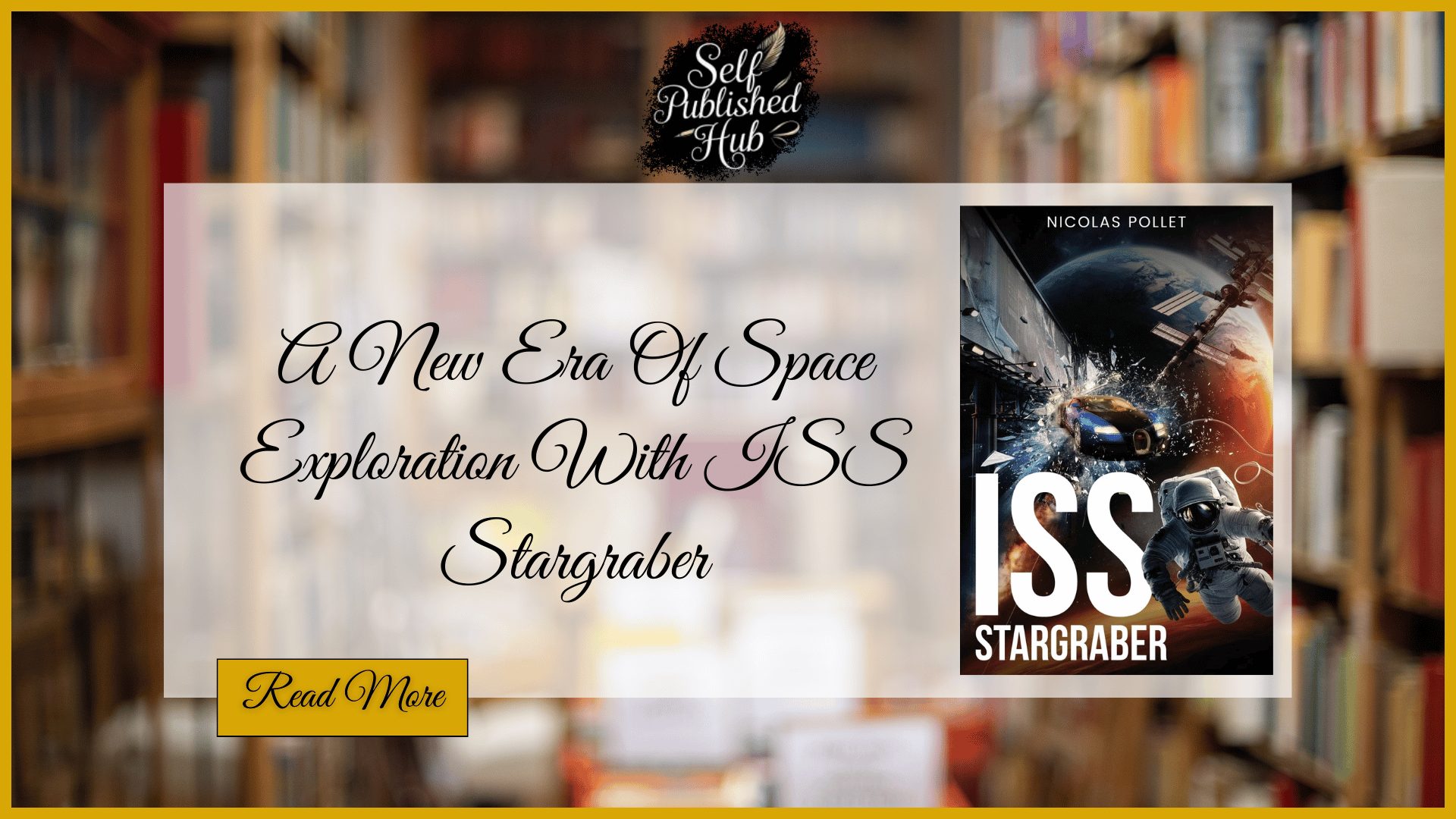
This is the type of future envisioned in ISS Stargraber. After devastating seismic events destabilize Earth, humanity builds a colossal orbital station to secure energy and ensure survival. The station is not built for exploration alone. It is built out of necessity. The novel captures the tension that comes with such ambition. Technology promises safety, but it also introduces vulnerability. A system large enough to support billions is also large enough to fail catastrophically if mismanaged.
That balance reflects the real challenges of modern space exploration. As infrastructure expands beyond Earth, so does responsibility.
Human Stakes In A Technological Age
What makes this new era different is not just the hardware. It is the human dimension. Long term space presence requires psychological resilience, ethical governance, and international cooperation.
In ISS Stargraber, the orbital station becomes both a sanctuary and a flashpoint. Sabotage, mistrust, and personal conflict threaten the very system meant to protect humanity. The story reminds us that progress does not eliminate human complexity. As we build further into orbit, we carry our strengths and flaws with us.
Space exploration is no longer only about discovery. It is about survival, sustainability, and global stability. The new era demands more than rockets. It demands wisdom.
If you are interested in where humanity might be headed and how technology and human choices intersect in space, ISS Stargraber offers an engaging exploration of that future. It combines real scientific possibilities with gripping narrative tension, making it an ideal read for anyone curious about what lies ahead. ISS Stargraber stands out not only for its thrilling narrative but also for its focus on technology as both a savior and a potential source of destruction. If you’re drawn to high-stakes, high-tech stories of survival, it should be at the top of your reading list.
Availability:
The book is available on Amazon for purchase: https://www.amazon.com/dp/B0F56P7XVR