When healthcare reform is discussed, the conversation usually turns to insurance coverage, hospital costs, prescription prices, technology or government policy.
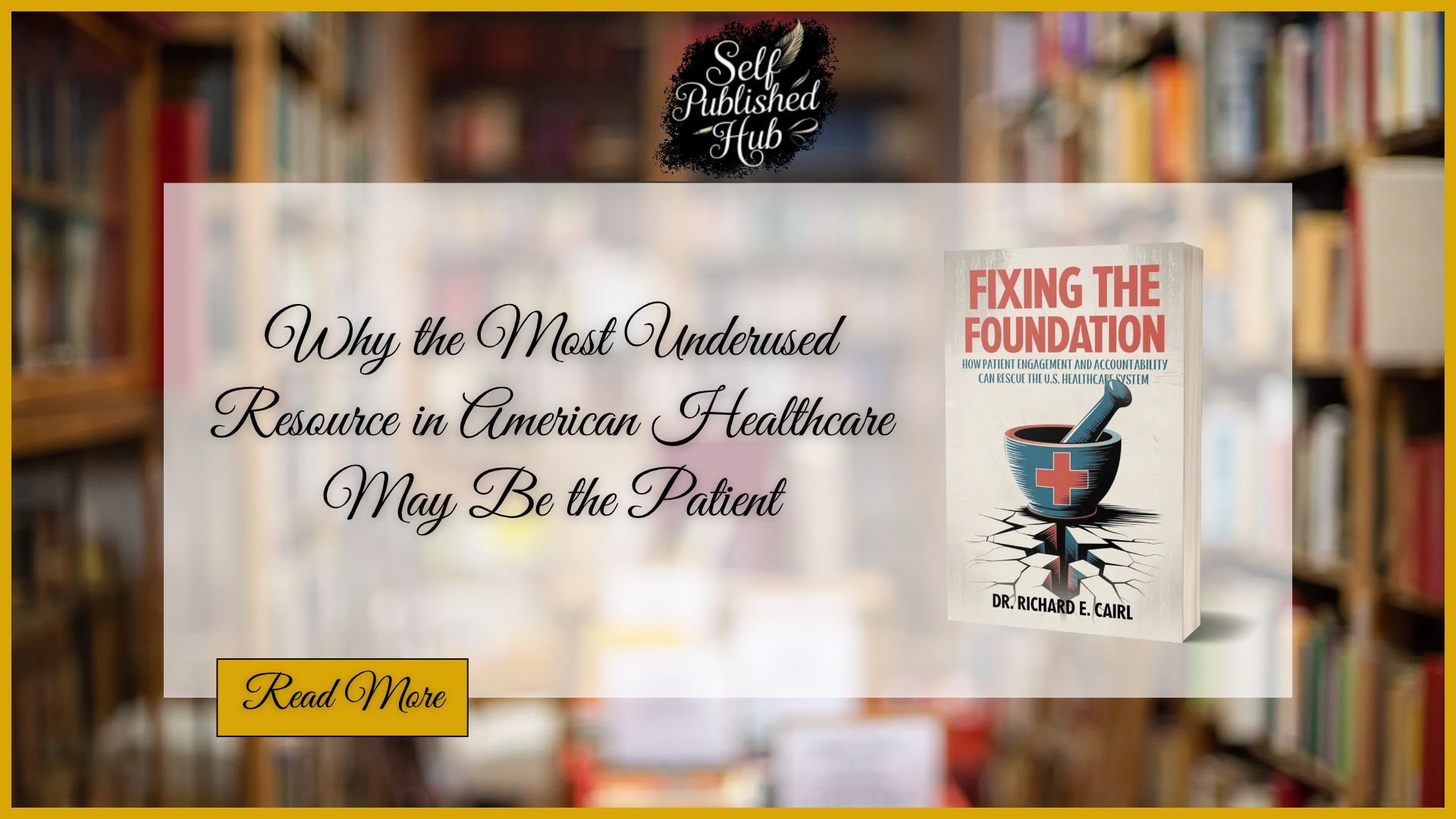
All of those issues matter. But in Fixing the Foundation: How Patient Engagement and Accountability Can Rescue the U.S. Healthcare System, Dr. Richard E. Cairl argues that reform may remain incomplete unless it also addresses something more fundamental: the role of the patient.
His central idea is that patients should not be treated only as recipients of care. They should be supported and expected to participate actively in their own health.
That change may sound simple, but it represents a major shift in how healthcare is designed.
Why the Foundation Matters
Dr. Cairl describes a healthcare system facing rising costs, widespread chronic disease, preventable complications and increasing pressure on providers and institutions.
At the same time, many important health decisions take place far beyond the clinic.
Patients decide whether to take medications, attend follow-up appointments, complete screenings, monitor symptoms, improve diet, become more active or change habits that affect long-term health.
These choices happen during the thousands of hours between medical visits.
That is why Fixing the Foundation argues that healthcare cannot focus entirely on what professionals do for patients. It must also consider what patients are equipped and encouraged to do for themselves.
A More Active Role
Patient engagement is one of the book’s core themes.
Dr. Cairl presents engagement as active participation in one’s health and healthcare decisions. That can include understanding a condition, communicating with providers, asking questions, participating in shared decision-making and following a care plan.
But participation does not happen automatically.
Patients may face low health literacy, emotional stress, environmental barriers, limited motivation or uncertainty about what to do next. Dr. Cairl therefore emphasizes that healthcare systems must provide the tools and support needed to make meaningful engagement possible.
Accountability Without Punishment
The book also introduces a second concept that is closely connected to engagement: accountability.
Accountability means taking ownership of the actions and behaviors that influence health. It can involve medication adherence, lifestyle decisions, follow-through on care recommendations and active participation between appointments.
Dr. Cairl is clear that accountability should not be confused with blame.
The goal is not to punish patients for illness or ignore structural barriers. Instead, accountability is presented as part of a shared partnership in which patients, providers, healthcare systems and policymakers all have responsibilities.
Engagement builds the capacity to act. Accountability encourages the follow-through.
Building a Stronger System
Fixing the Foundation goes beyond theory by exploring communication strategies, behavioral interventions, digital health tools, self-monitoring and AI-driven technologies that may help patients remain engaged outside traditional clinical settings.
It also calls for providers and policymakers to make engagement a meaningful part of healthcare delivery rather than a secondary concern.
Dr. Richard E. Cairl’s broader message is that lasting reform requires more than changing how healthcare is financed or delivered.
It requires changing how patients are viewed.
A stronger healthcare system may begin when patients are recognized not simply as people who receive care, but as active partners who help create better outcomes.
That is what it means to fix healthcare from the foundation up.
Discover Fixing the Foundation: How Patient Engagement and Accountability Can Rescue the U.S. Healthcare System by Dr. Richard E. Cairl.
Available on Amazon: https://www.amazon.com/dp/B0GRCRBKB6/
Visit the Author’s Official Website: https://richardcairl.com/