Have you ever looked back at a failed relationship and wondered, “Why does this keep happening to me?” Perhaps you promised yourself you would never accept the same treatment again, only to find yourself in another relationship that feels strangely familiar.
For many people, repeating painful relationship patterns isn’t about deliberately making poor choices. Sometimes, it involves emotional habits developed long before adulthood.
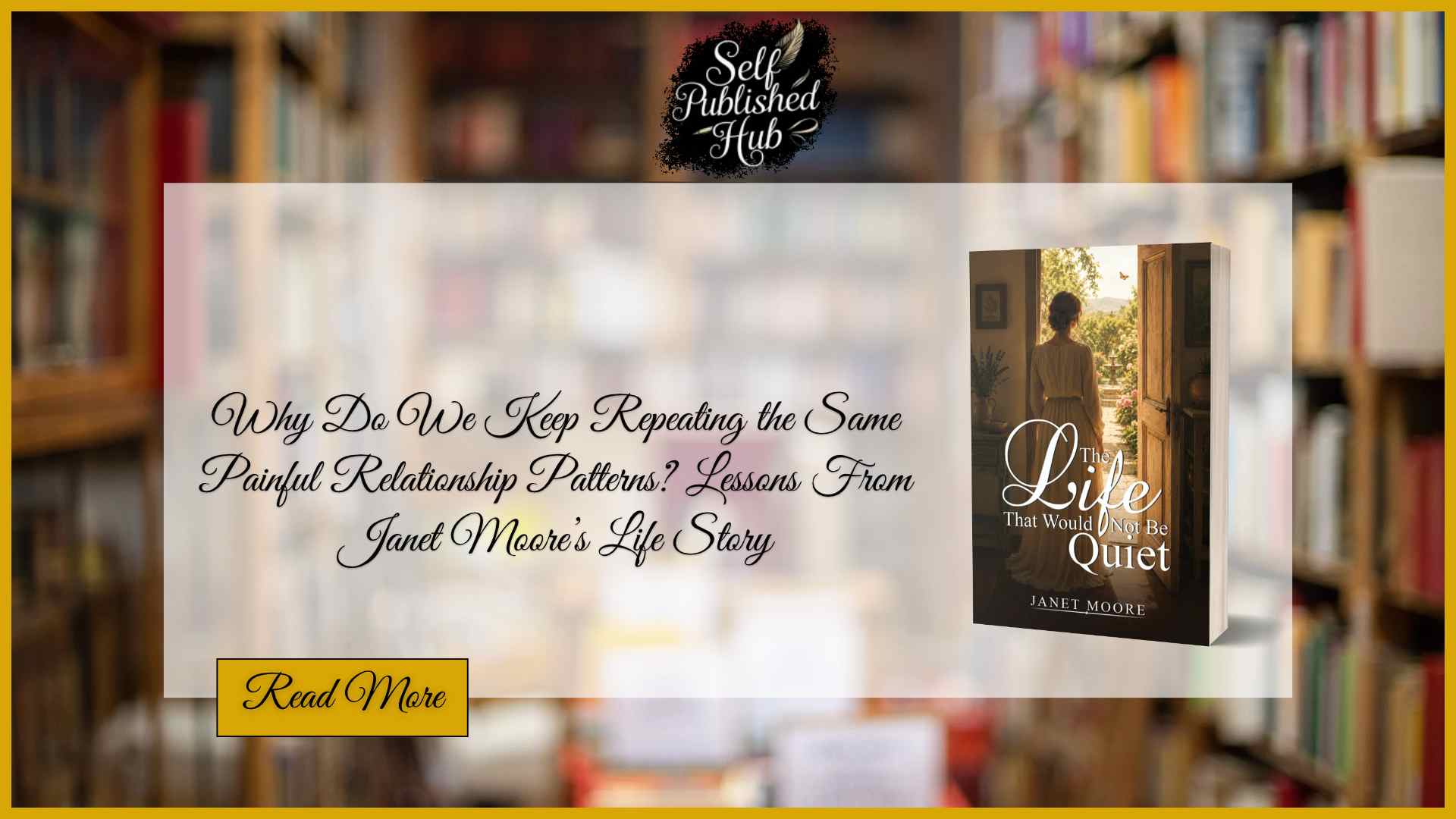
In her deeply personal memoir, The Life That Would Not Be Quiet, author Janet Moore explores this complicated reality through her experiences with childhood separation, four marriages, heartbreak and eventual self-discovery.
How Childhood Experiences Shape Our Understanding of Love
Our earliest relationships often influence how we understand love, security and emotional connection.
Moore’s story begins with an unexpected separation. Because her mother was battling tuberculosis, Janet spent the first eighteen months of her life with foster parents. Although they provided loving care, returning to her biological family became a deeply distressing experience.
As she grew older, Moore learned that expressing emotions could invite criticism or punishment. Gradually, silence and compliance became familiar ways of navigating difficult situations.
These experiences shaped how she approached relationships as an adult. Instead of consistently asking whether her emotional needs were being met, she often focused on keeping others satisfied.
Her journey illustrates how childhood survival strategies can sometimes become obstacles to happiness later in life.
Why Familiar Relationships Can Feel Difficult to Leave
One of the most revealing aspects of The Life That Would Not Be Quiet is Moore’s examination of her marriages.
Throughout four marriages, she encountered emotional neglect, betrayal, disappointment and the painful consequences of repeatedly putting someone else’s needs before her own.
In one relationship, she managed household responsibilities while receiving little emotional support. In another, material comfort and outward appearances concealed deeper problems.
Looking back, Moore gradually recognized a recurring pattern: she had spent years trying to earn love and approval rather than recognizing her inherent worth.
Her experiences raise an important question: Are we choosing relationships because they genuinely make us happy or because their emotional dynamics feel familiar?
Breaking the Cycle Begins With Self-Awareness
Recognizing unhealthy patterns requires more than acknowledging that previous relationships ended badly. It involves examining the beliefs and expectations influencing our choices.
For Moore, this understanding developed gradually through therapy, reflection, forgiveness and personal growth.
She began questioning why she accepted certain behaviors, why she blamed herself when relationships failed and why feeling valued seemed so difficult.
Over time, she discovered that understanding her past could help her make different decisions in the present.
Her experience also highlights the importance of setting boundaries, recognizing personal needs and understanding that love should not require abandoning your identity.
Your Past Does Not Have to Define Your Future
Today, Moore is a certified hypnotherapist and life mastery consultant who helps others explore limiting patterns and pursue more fulfilling lives.
Her journey demonstrates that personal transformation rarely happens overnight. Sometimes, it requires years of reflection, difficult realizations and the courage to change familiar behaviors.
The Life That Would Not Be Quiet is more than a memoir about unsuccessful marriages. It is an honest exploration of emotional survival, self-worth and the possibility of finding peace after decades of painful experiences.
Ready to discover how understanding your past can help you approach your future differently?
Read Janet Moore’s inspiring memoir, The Life That Would Not Be Quiet, available on Amazon: https://www.amazon.com/dp/B0HLLJX6K3/
Learn more about Janet Moore: https://janetmoorecoaching.com/