The first journey of a sea turtle begins beneath the sand. After breaking free from the egg, a hatchling must climb through the nest, cross an exposed beach, and reach the ocean. Every step brings danger. Birds, crabs, heat, artificial light, litter, and human activity can prevent these tiny animals from reaching the water. Sea turtle sanctuaries provide protection during this fragile stage and give vulnerable hatchlings a stronger chance of survival.
Sanctuaries often work closely with local communities to protect nesting beaches and monitor newly laid eggs. In places where nests may be disturbed by predators, flooding, construction, or poaching, trained carers can move the eggs to a protected nursery. The eggs remain buried in sand until the hatchlings are ready to emerge. This careful support does not remove the natural wonder of hatching. It protects the turtles from dangers created or increased by human activity.
Some hatchlings need more help than others. An injured turtle may require treatment, while a turtle born with a rare condition may be unable to survive safely in the open sea. Albino sea turtles, for example, do not have the darker colouring that helps other turtles blend into their surroundings. Their pale appearance can make them easier for predators to spot. A sanctuary can provide clean water, suitable food, medical care, and a safe habitat for turtles that cannot be released.
These centres also help people understand why sea turtles matter. Visitors can learn about nesting habits, ocean pollution, plastic waste, and the many threats faced by marine animals. Children who see a turtle up close often develop a deeper respect for wildlife. That connection can encourage families to reduce plastic use, avoid leaving rubbish on beaches, and support conservation work.
Sanctuaries depend on devoted carers, volunteers, donors, and local supporters. A damaged tank, a broken water pump, or a shortage of food can quickly place rescued turtles at risk. Fundraising and volunteer work can provide better enclosures, fresh seawater, medicine, and daily care. Even a single act of support can improve an animal’s future.
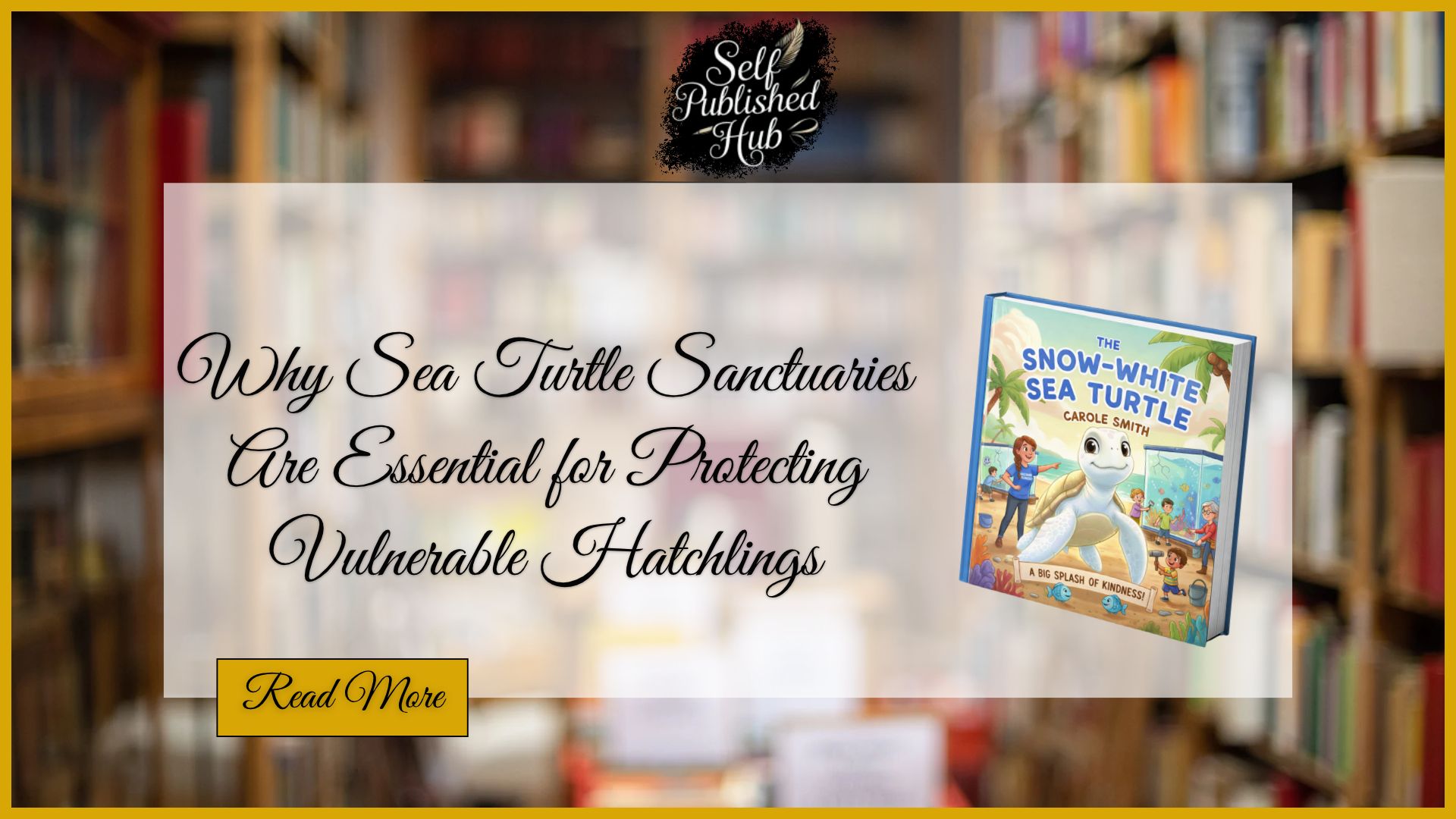
The Snow White Sea Turtle by Carole Smith brings this important work to life through the story of Carmen, a rare albino green turtle born in Sri Lanka. Carmen’s journey shows young readers how compassion, teamwork, and a promise kept can transform the life of a vulnerable animal. With gentle storytelling, colourful illustrations, and fascinating turtle facts, the book makes conservation meaningful and memorable.
Readers who love animals, oceans, and true stories of kindness will find much to enjoy in The Snow White Sea Turtle. It is a warm introduction to sea turtle protection and a reminder that every small life deserves care.
Read the book on Amazon: https://amzn.eu/d/0dQuCJIv