For decades, luxury hospitality was easy to recognize. Marble lobbies, crystal chandeliers, fine linens, elaborate restaurants and attentive service signaled that a guest had entered a world apart.
But the way guests experience luxury is changing.
Today’s discerning traveler still appreciates beautiful surroundings and exceptional comfort, yet these things alone are no longer enough. The most memorable hotels understand something deeper: luxury is not simply what guests see or what they pay. It is how the experience makes them feel.
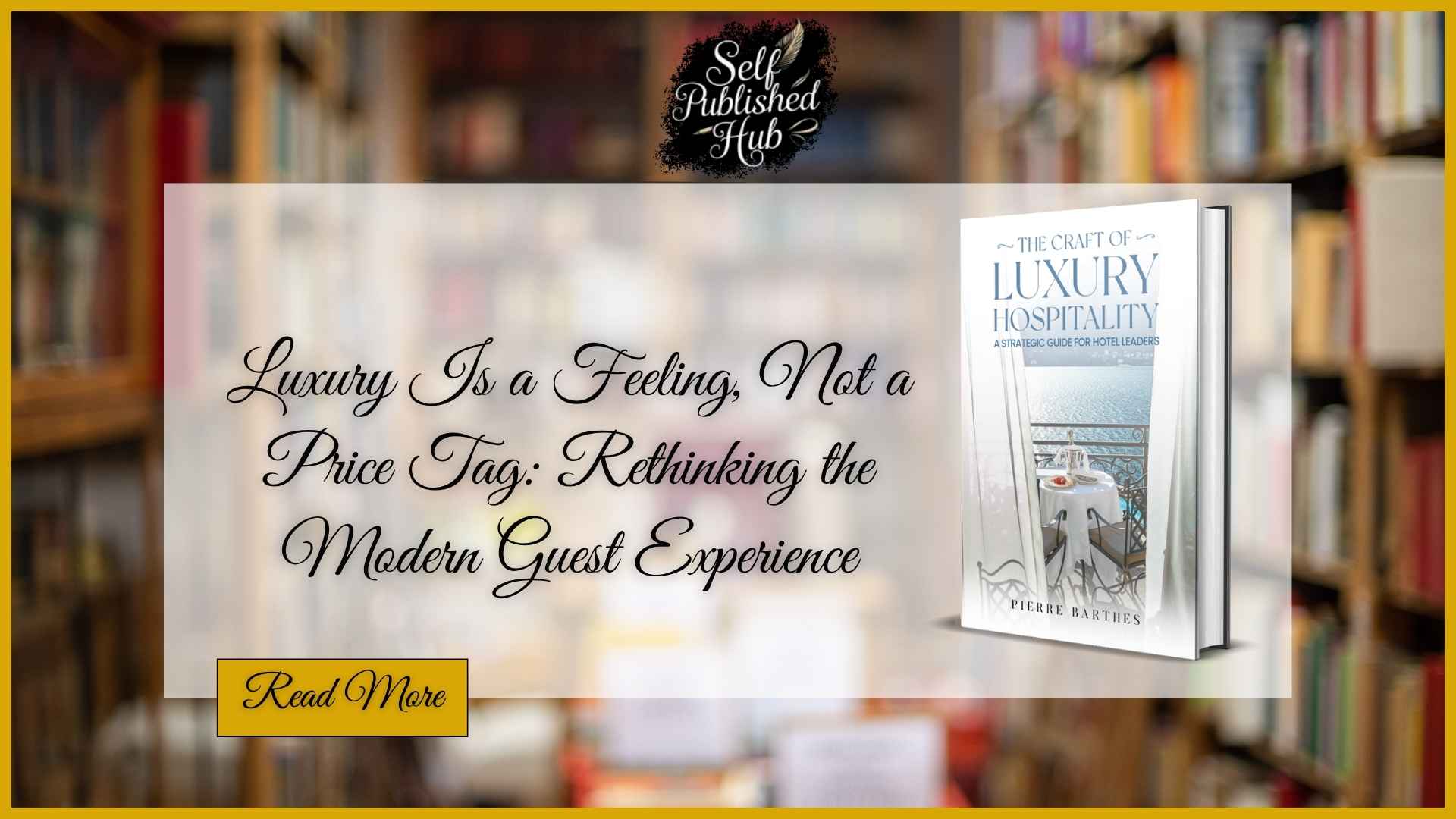
That philosophy sits at the heart of Pierre Barthes’ The Craft of Luxury Hospitality: A Strategic Guide for Hotel Leaders, a practical exploration of what truly creates extraordinary hospitality. Drawing on more than four decades of international hotel leadership, Barthes argues that modern luxury is increasingly defined by meaningful experiences, personalization, emotional connection and an uncompromising attention to the guest.
From Impressive to Personal
A spectacular suite may impress a guest, but a thoughtful gesture can stay in their memory for years.
It might be a doorman who recognizes them by name. A concierge who understands what they are really looking for rather than simply recommending the obvious tourist attraction. A favorite drink prepared before it is requested. Or a team member who recognizes that a tired traveler needs efficiency rather than a lengthy scripted welcome.
Barthes repeatedly returns to a fundamental idea: guests want to feel seen, understood and genuinely cared for.
That is why customization matters. No two guests are identical and even the same guest may have completely different expectations on a business trip than on a family holiday or romantic getaway. Luxury service cannot be delivered through scripts and standards alone. It requires employees who can understand context, read emotions and adapt appropriately.
Standards Are Essential but They Are Not the Finish Line
Luxury hotels understandably invest heavily in service standards. Standards create consistency and ensure the fundamentals are delivered correctly.
But compliance alone does not guarantee an unforgettable experience.
Barthes makes a crucial distinction between what is delivered and how it is experienced. In his framework, operational precision must work alongside emotional intelligence. This idea ultimately develops into the book’s Dual Excellence Index, which brings technical compliance and emotional performance together as complementary measures of luxury excellence.
A perfectly executed check-in can still feel cold. A beautifully designed room can still feel anonymous. Technology can speed up arrival while also making it less human.
The strongest luxury operators understand that efficiency should create more space for hospitality, not replace it.
The New Currency of Luxury
This shift becomes even more important as Millennials and Gen Z influence the evolving luxury market. Barthes explores how younger travelers increasingly value experiences, authenticity, sustainability, technology-enabled convenience, personalization and meaningful connections with local culture.
For hotel leaders, the implication is significant.
Luxury cannot be manufactured simply by increasing the budget. It must be created through hundreds of carefully considered moments from booking and arrival to dining, wellness, housekeeping, leadership culture and departure.
Ultimately, guests may forget the thread count of the sheets or the cost of the lobby renovation. What lasts is the emotional imprint of the experience.
That is the craft Pierre Barthes explores throughout The Craft of Luxury Hospitality: the discipline of combining operational excellence with genuine humanity to transform a hotel stay into something worth remembering.
For today’s hotel leaders, that may be the most important definition of luxury of all.