Silence inside a family can feel heavier than spoken cruelty. It can sit in rooms, settle over childhood, and shape the way a person understands love, trust, guilt, and belonging. When families refuse to speak about pain, fear, abuse, neglect, or shame, the truth does not disappear. It simply finds another place to live. Often, that place is inside the child who was never allowed to ask questions.
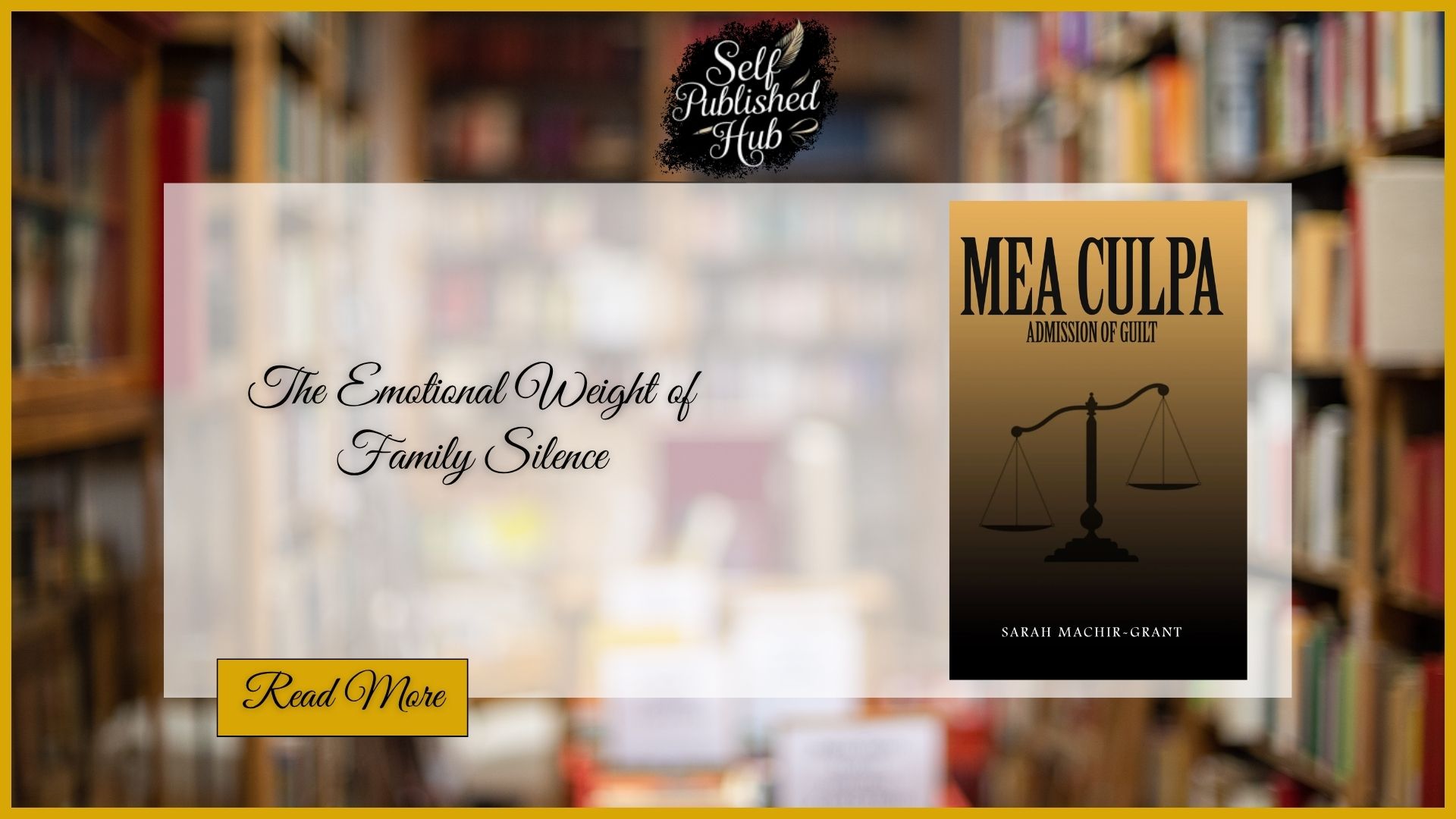
In Mea Culpa, Sarah Machir Grant gives readers a raw and deeply reflective account of what family silence can do to a life. This is a story about fear, memory, control, and the hidden injuries that can grow in homes where appearances matter more than honesty. The book looks closely at the emotional cost of being raised around secrets, denial, blame, and unspoken suffering.
Family silence can teach a child that truth is dangerous. It can make them believe that their feelings are inconvenient, their pain is shameful, and their voice is something to hide. A child who learns this may grow into an adult who struggles to speak openly, even when they are hurting. They may apologise for things that were never their fault. They may carry guilt that belongs to someone else. They may become skilled at smiling, performing, and surviving, while feeling broken beneath the surface.
What makes Mea Culpa so powerful is the way it shows silence as more than the absence of words. Silence becomes a rule. It becomes a family habit. It becomes a form of control. The narrator moves through memories that are painful, fragmented, and difficult to face, yet each remembered moment begins to challenge the silence that once kept everything hidden.
The book also shows how silence can pass from one generation to the next. Pain that is never named can become part of a family’s structure. Adults who were never helped with their own wounds may pass their fear, anger, and confusion on to their children. In this way, silence protects no one. It only allows harm to continue under a different name.
Yet Mea Culpa is not only about damage. It is also about the courage it takes to look back and give language to what was once buried. The act of telling the truth becomes a way of reclaiming the self. It becomes a refusal to remain trapped by the versions of events that others created.
For readers interested in family trauma, memory, emotional survival, and the long journey toward self-understanding, Mea Culpa offers a haunting and honest reading experience. It reminds us that silence may shape a life, but truth can begin to loosen its hold.
Discover the story that refuses to stay quiet. Get your copy of MEA CULPA today. https://www.amazon.com/dp/197100216X/