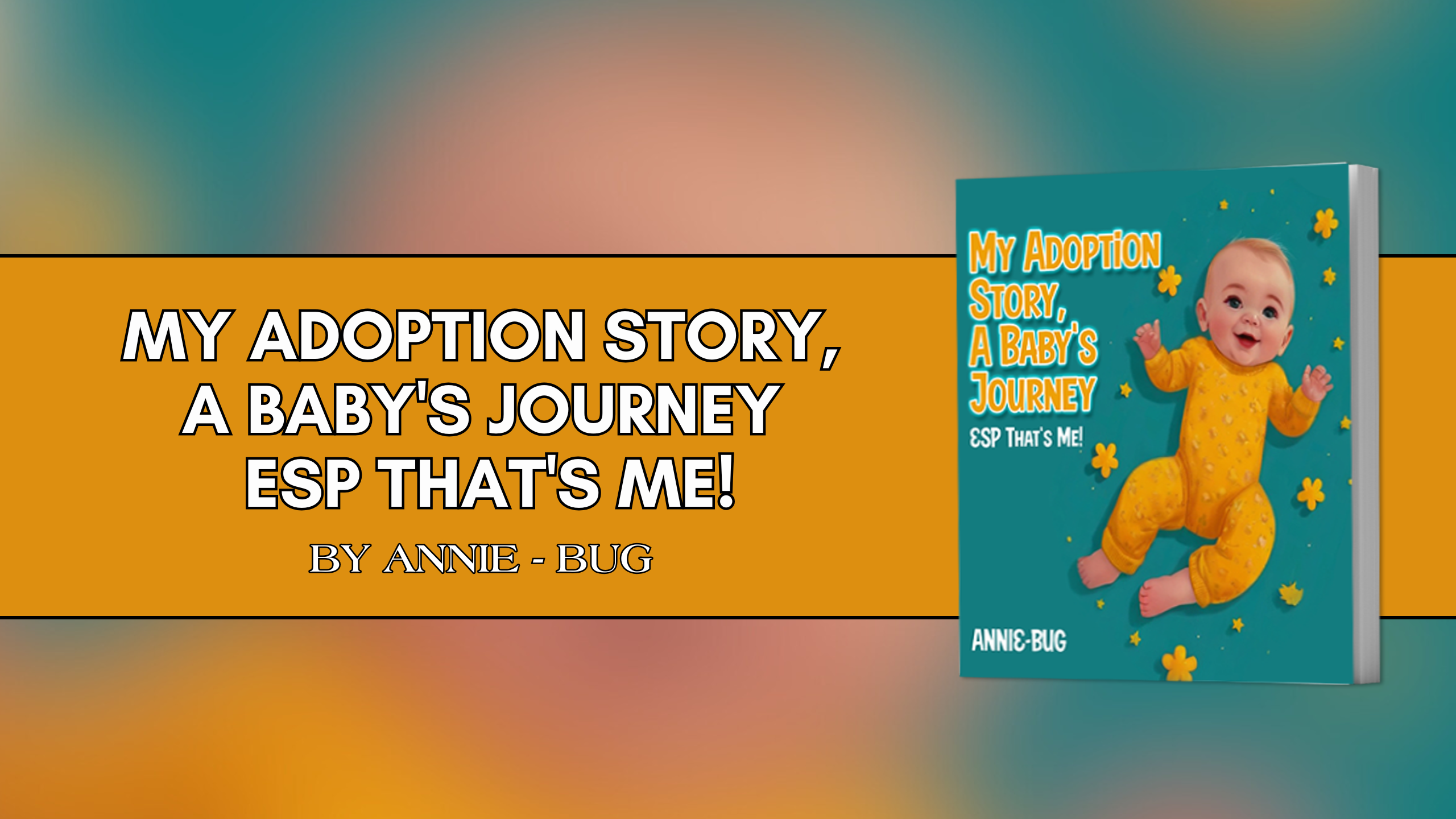
The book emphasizes how important it is for adopted children to feel accepted, loved, and secure in their new homes, as they navigate the complexities of identity and family dynamics.
The Importance of Emotional Security
A key component of creating a sense of belonging for adopted children is emotional security. In My Adoption Story, A Baby’s Journey, Annie Bug highlights how the baby experiences the love and warmth of their adoptive parents. From the very beginning, the baby feels the emotional security provided by their new family. The book shows that emotional security is built through consistent love, care, and reassurance, allowing the child to feel safe and secure in their new environment. For an adopted child, knowing that they are loved unconditionally and accepted into their new family is crucial for developing a sense of belonging.
Building Connections through Love and Care
In My Adoption Story, A Baby’s Journey, Annie Bug underscores the importance of the adoptive parents’ love in fostering a sense of belonging. The baby’s journey from birth mother to adoptive parents is portrayed as a transition that is filled with love, comfort, and nurturing. By providing constant affection and care, the adoptive parents help the child build a strong emotional connection with them. This connection is essential for the child to feel that they are a true part of the family. The book teaches readers that creating a sense of belonging is not only about providing a physical home but also about fostering emotional bonds through love and attention.
Celebrating the Child’s Identity
Another important aspect of creating a sense of belonging is celebrating the child’s identity. My Adoption Story, A Baby’s Journey emphasizes how the adopted child is not defined by their biological background but by the love they receive in their new family. Annie Bug delicately addresses the birth mother’s love and the child’s connection to both their birth and adoptive families. By acknowledging and celebrating the child’s journey, the adoptive family helps the child develop a positive sense of self. It is crucial for adoptive parents to recognize and honor the child’s story, as this fosters a strong sense of identity and belonging. In My Adoption Story, A Baby’s Journey, this is demonstrated through the baby’s understanding that they are loved and accepted by both families.
Providing Consistency and Stability
For adopted children, consistency and stability are vital components of feeling secure in their new home. In the book, Annie Bug shows how the baby is comforted by the steady presence of their adoptive parents, who ensure that the child feels safe and loved at all times. Stability in routine and emotional support helps the child feel grounded and less anxious about their place in the family. As the baby grows, they begin to feel more comfortable in their environment, knowing that their adoptive parents will always be there to meet their needs. This consistency fosters a sense of belonging, allowing the child to develop confidence and trust in their new family dynamic.
Incorporating Family Traditions
In My Adoption Story, A Baby’s Journey, the importance of family traditions is subtly addressed, showing how they help create a sense of belonging for adopted children. When a child is adopted, they may feel like an outsider at first, but family traditions can bridge that gap. Through the loving actions of their adoptive parents, the child becomes part of the family’s rituals, celebrations, and day-to-day activities. This inclusion helps the child feel valued and like they truly belong. Annie Bug’s story emphasizes that it is not only about bringing a child into a new home but also about integrating them into the family’s culture and traditions. This sense of inclusion is essential for the child’s emotional well-being.
Encouraging Open Communication
Another significant aspect of creating a sense of belonging for adopted children is fostering open communication. My Adoption Story, A Baby’s Journey provides a gentle introduction to the concept of adoption, offering an opportunity for families to discuss the child’s adoption story openly. By encouraging children to talk about their feelings, questions, and experiences, adoptive parents can help them process their emotions and develop a stronger sense of identity. Annie Bug’s narrative shows how a child’s sense of belonging is enhanced when they feel free to express themselves and are supported by their adoptive parents in doing so. Open communication fosters a deeper understanding of the child’s emotional needs and helps them feel secure in their family.
Conclusion:
In conclusion, My Adoption Story, A Baby’s Journey by Annie Bug highlights the essential role of love, care, and emotional security in creating a sense of belonging for adopted children. Through the baby’s journey, the book illustrates how consistent love, acceptance, and celebration of the child’s identity help them feel part of their forever family. Annie Bug’s story reminds readers that belonging is not just about physical presence in a home but about creating an environment where the child feels truly loved and valued. By fostering emotional bonds, consistency, and open communication, adoptive families can help children thrive and grow with a strong sense of belonging.