For generations, hard work was closely linked to economic progress. People believed that steady employment, discipline, and patience would eventually lead to higher wages, home ownership, savings, and a more secure future. That belief shaped the idea of upward mobility. Today, however, many workers are putting in longer hours while feeling no closer to financial stability.
The problem is not that people have stopped working hard. In many industries, productivity has increased, technology has improved, and employees are expected to accomplish more in less time. Yet wages have not always risen at the same pace. The value created by workers may grow, while the financial rewards move elsewhere.
One reason for this divide is the loss of worker leverage. When several employers compete for labour, workers have more power to negotiate. They can leave one position for another, request better pay, or seek improved conditions. When an industry or local economy becomes dominated by only a few large employers, those choices begin to disappear.
A worker may change companies and still encounter the same wage range, benefit structure, and limited path for advancement. The appearance of choice remains, but the underlying opportunities are often similar. Without strong alternatives, employers face less pressure to raise wages or improve working conditions.
The movement of capital has also changed the balance of power. Large companies can relocate operations, automate positions, outsource work, or shift production to less expensive regions. Workers, however, are often tied to homes, families, schools, and communities. A company can move more easily than the people who depend on it.
This imbalance becomes especially damaging in towns that rely on one major employer. When a factory, processing plant, or distribution centre closes, thousands of workers may lose their incomes at once. Local shops suffer, property values decline, and families may be forced to relocate. Years of loyal service cannot protect workers from decisions made in distant corporate offices.
Rising living costs make the situation even harder. Housing, healthcare, food, transportation, and education continue to demand a larger share of household income. Even when wages increase slightly, those gains may be absorbed by higher expenses. People earn more on paper but feel less secure in daily life.
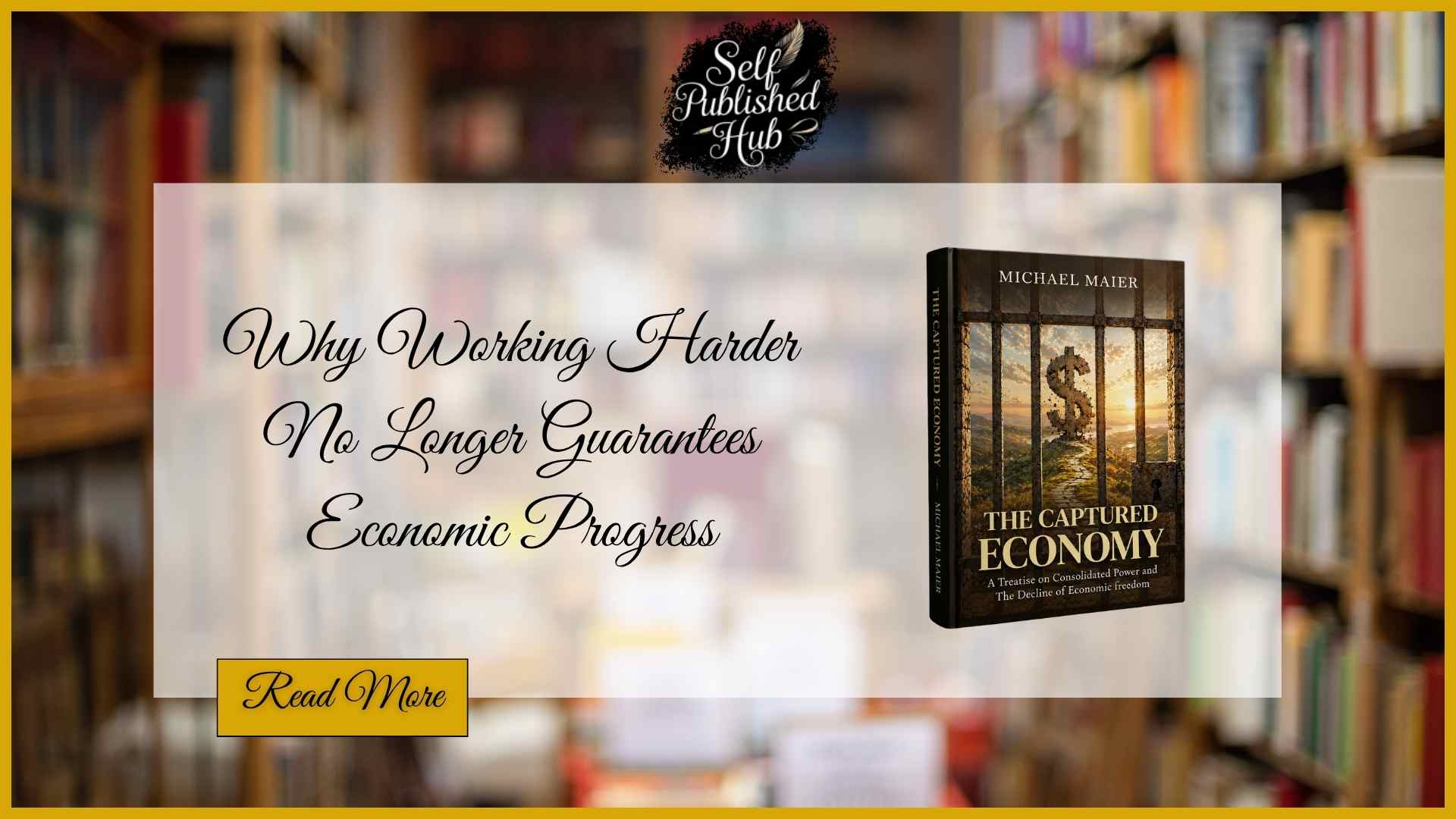
Michael Maier explores these concerns in The Captured Economy: A Treatise on Consolidated Power and the Decline of Economic Freedom. The book examines how concentrated corporate power, limited competition, regulatory complexity, and weakened worker mobility have changed the relationship between effort and reward.
Rather than blaming individuals for economic hardship, The Captured Economy asks readers to examine the structure surrounding them. It argues that hard work still matters, but effort alone cannot overcome a system in which opportunity, ownership, and decision making are increasingly concentrated.
For readers questioning why greater effort no longer seems to produce greater security, this book offers a direct and thought provoking examination of the forces shaping modern economic life.
 3 views