Children are naturally curious about the world, including who they are and where they belong. As they grow, they begin to notice differences, assign meanings, and absorb the labels given by others. Words like “shy,” “loud,” “smart,” or even playful nicknames can slowly shape how a child sees themselves. While some labels may seem harmless, they can quietly limit confidence and create confusion about identity.
At a young age, children are still forming their sense of self. They do not yet have the emotional tools to separate who they are from what they are called. When a label is repeated often enough, it can begin to feel like a fixed truth rather than a passing description. A child who is told they are “too quiet” may start to believe they should not speak up. One who is teased for being “different” may begin to hide the very traits that make them unique.
This is where storytelling becomes a powerful influence. Stories allow children to step outside their own experiences and see identity in a new light. Through characters, they explore emotions, challenges, and transformations in a way that feels safe and engaging. A well told story does not lecture. It gently opens a door and invites the child to walk through it.
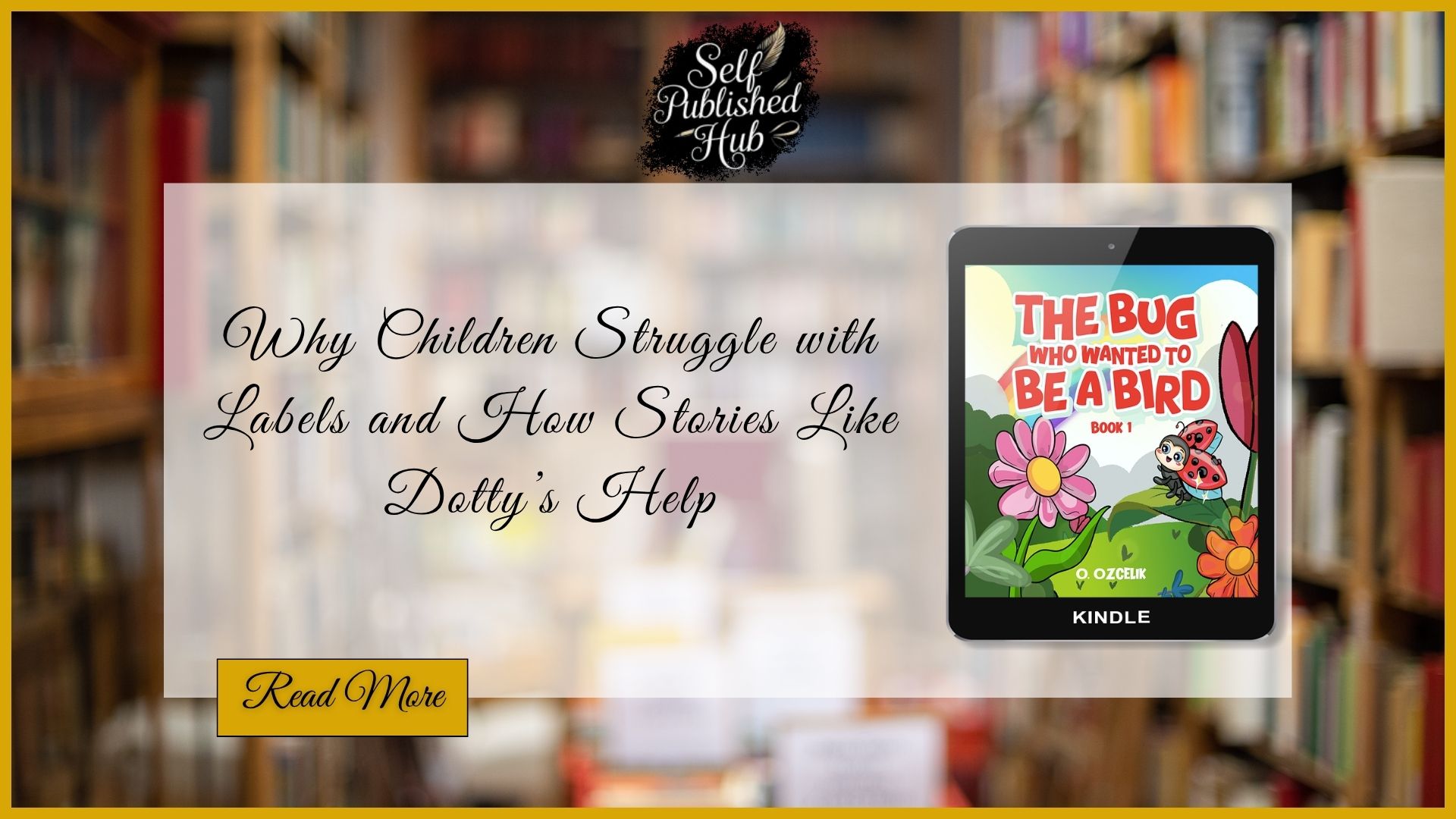
In The Bug Who Wanted to Be a Bird by O. Ozcelik, Dotty’s journey reflects this struggle in a way children immediately understand. She is caught between labels that do not quite fit, leaving her unsure of who she truly is. The world around her tries to define her, sometimes with humor, sometimes with teasing, but always with assumptions. This mirrors the real experiences many children face every day.
What makes Dotty’s story so meaningful is not just the challenge, but the shift that follows. Instead of trying to force herself into a single identity, she begins to understand that she does not need to fit into any one label at all. Her growth is not about becoming something else. It is about accepting that she can simply be herself, whatever that looks like in the moment.
For children, this message is both freeing and empowering. It removes the pressure to meet expectations and replaces it with the idea that identity can be flexible, evolving, and personal. It also encourages empathy. When children see how labels affect Dotty, they become more aware of how their own words might impact others.
Parents and educators often look for ways to build confidence and emotional resilience in children. Stories like this offer a natural and effective approach. They create conversations, spark imagination, and provide examples that children can relate to without feeling judged or corrected.
The Bug Who Wanted to Be a Bird is more than a charming tale. It is a gentle reminder that children do not need to be defined by labels. They need space to grow, explore, and discover who they are in their own time. Through Dotty’s story, young readers learn that being different is not something to fix. It is something to celebrate.
Get your copies from Amazon: https://www.amazon.com/dp/B0GCX4R2F1/